It’s in Tidal as 2 discs too
1 Like
Dipping into a little Dvorak
7 last night 8 tonight,excellent recording quality

6 Likes
in the US? I only see Nos 1&2, and another “best of Rach” that includes the Paganini rhapsody.
1 Like
British organist and choir director Anna Lapwood was on the BBC Radio podcast Building a Library, and compared different recordings of the Saint-Saens Symphony No. 3. It is interesting to hear her perspective as a musician (she has performed it in concert although not made a recording). She comments on performance differences in the recordings and in particular points out a syncopated rhythm used in the symphony that many conductors do not execute properly. Her choice was the recording by Edo de Waart and the San Francisco Symphony with organist Jean Guillou.
Unfortunately, the BBC implemented a new policy this summer and no longer allow access to archived programs outside of the UK, and I myself cannot re-listen to this podcast. However, if you are in the UK it is worthwhile listening.
4 Likes

Absolutely agree with her. The symphony is full of little rhythmic details and figures, not only syncopic ones, but also rhythms standing against each other, some which are slightly delayed (Piazzolla would call it ´mud´), which all sound off-beat in different variations at times. My personal interpretation is this was intentional, an ironic take on and hidden reference to light ballet and march music, not untypical for Saint-Saens, and marks a good contrast to the pretty strict, Mendelssohn-style accompanying rhythms which can be found here as well. Same with the very light arpeggios in the piano, in contrast to the rather massive organ sounds.
Maybe that’s why I don’t really appreciate slower tempi and bold interpretations focussing too much on the heavy and massive sound.
Actually there are two recordings by Edo de Waart which I have in my collection:
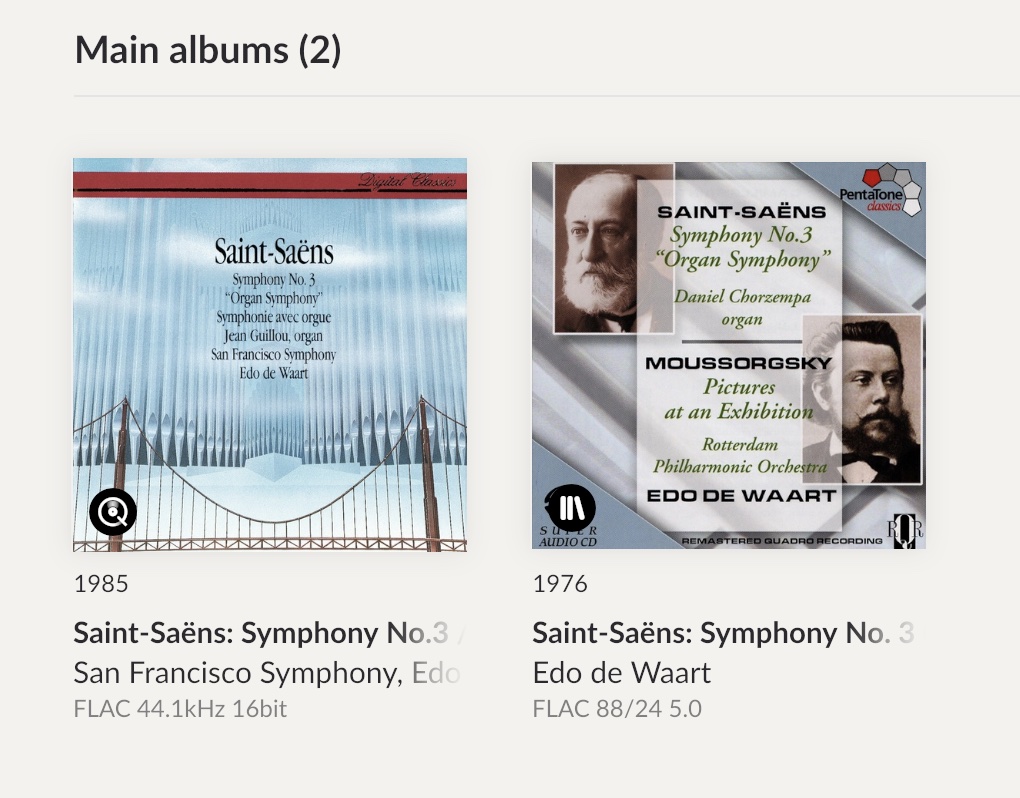
The later SFS recording is more precise, lighter in rhythm and faster/looser in its tempi, except from the beginning of the Finale. The earlier Rotterdam version is more massive, conventional and maybe tame compared to the wild reading by Nézet-Séguin, but all three are exemplarily good and hit this light rhythmic tone which was mentioned.
We should note that this is not a matter of tempi. There are some interpretations which are on the rather fast side by sheer duration, but IMHO miss the lightness, finesse and syncopated rhythms, so they feel rather lame. Prominent examples are Michael Stern (Kansas City) and Geoffrey Simon with the LPO.
5 Likes
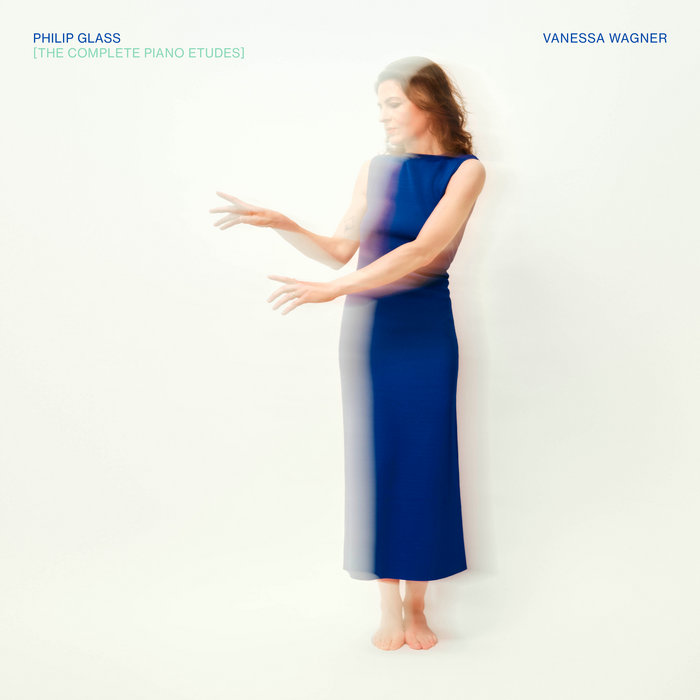
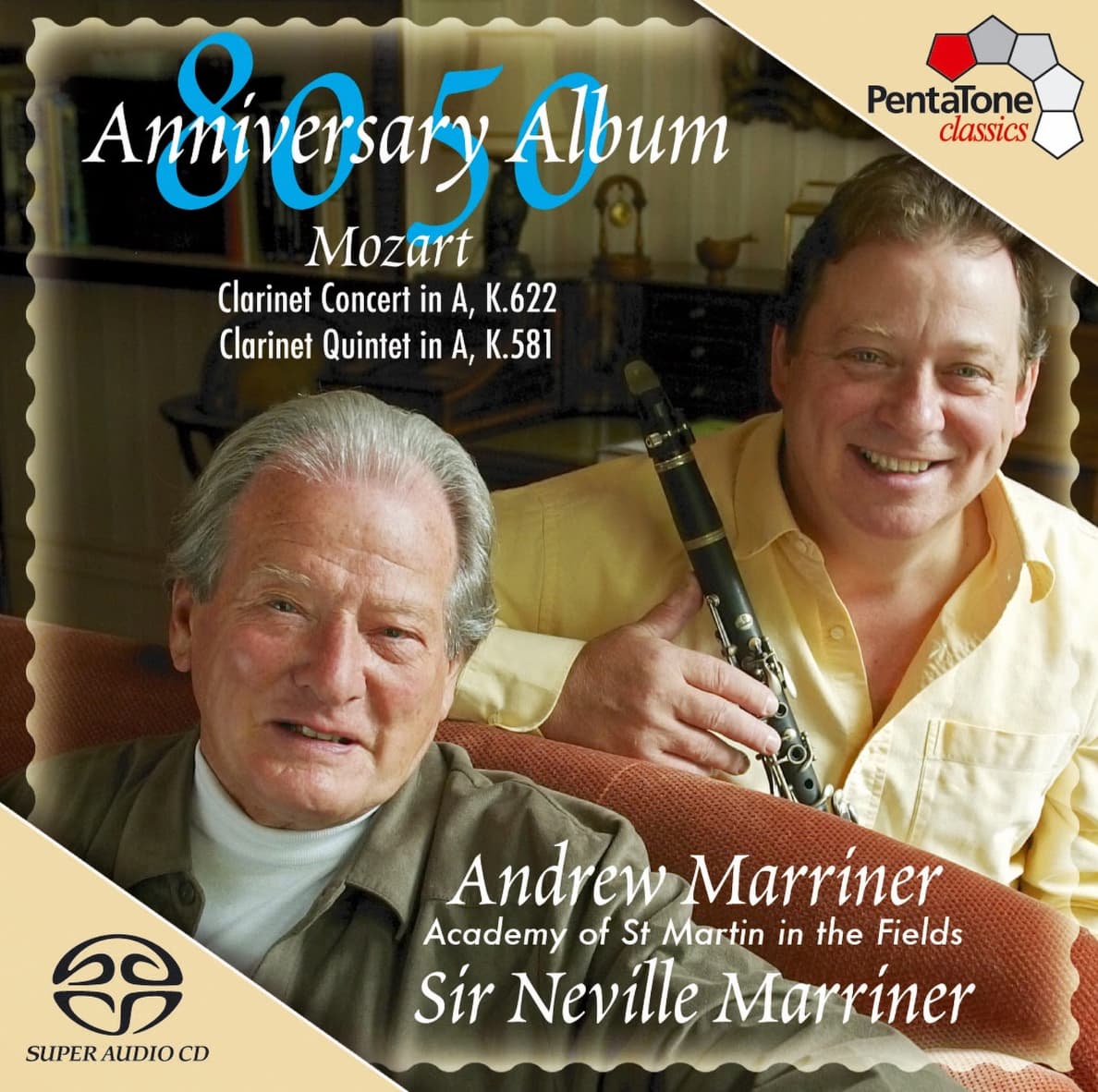
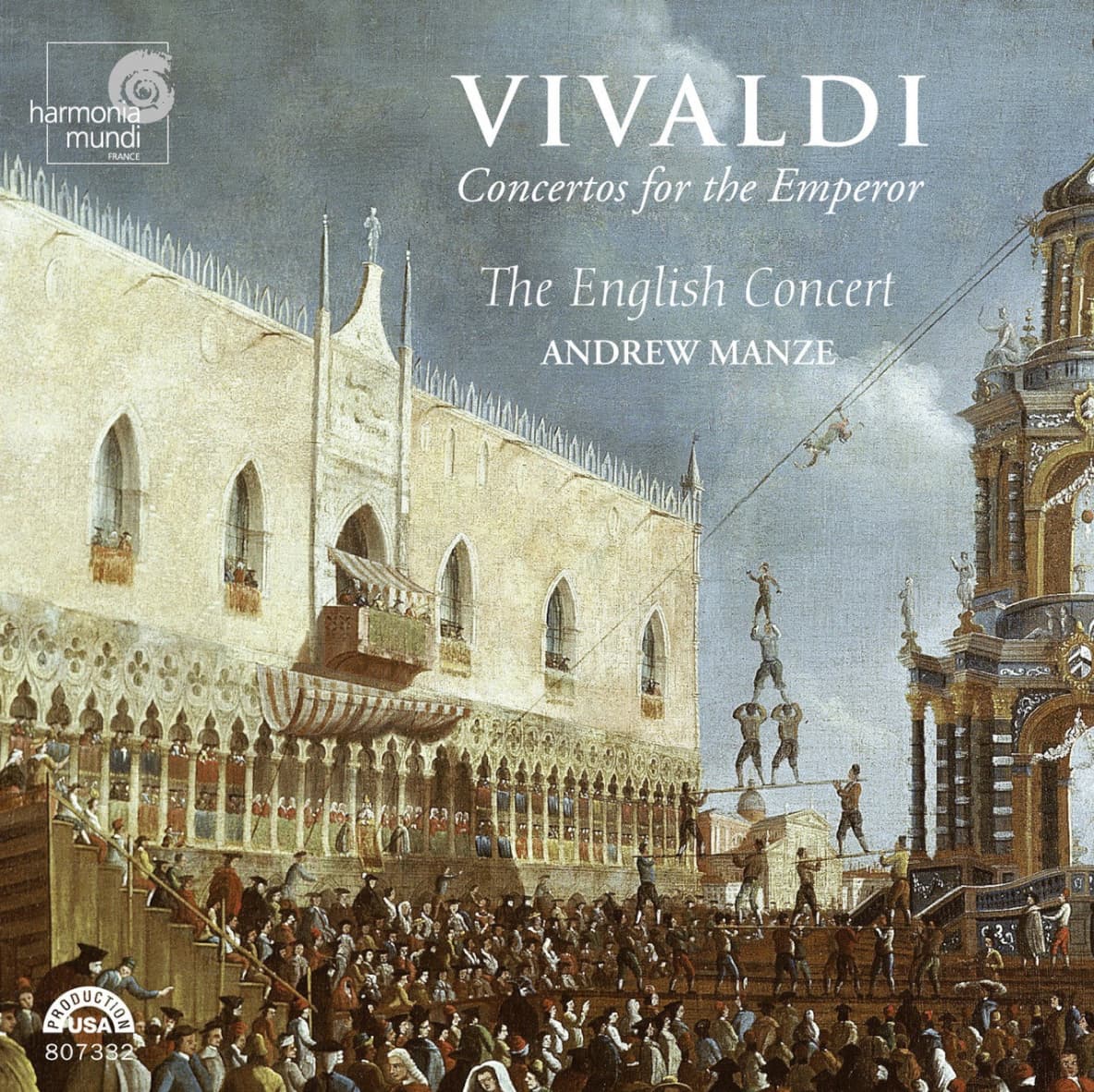
A diverse assortment of some of my favourite works from my library, which I haven’t listened to for a while…


3 Likes
Thank you @Mike_O_Neill. Hope you take advantage of the access.
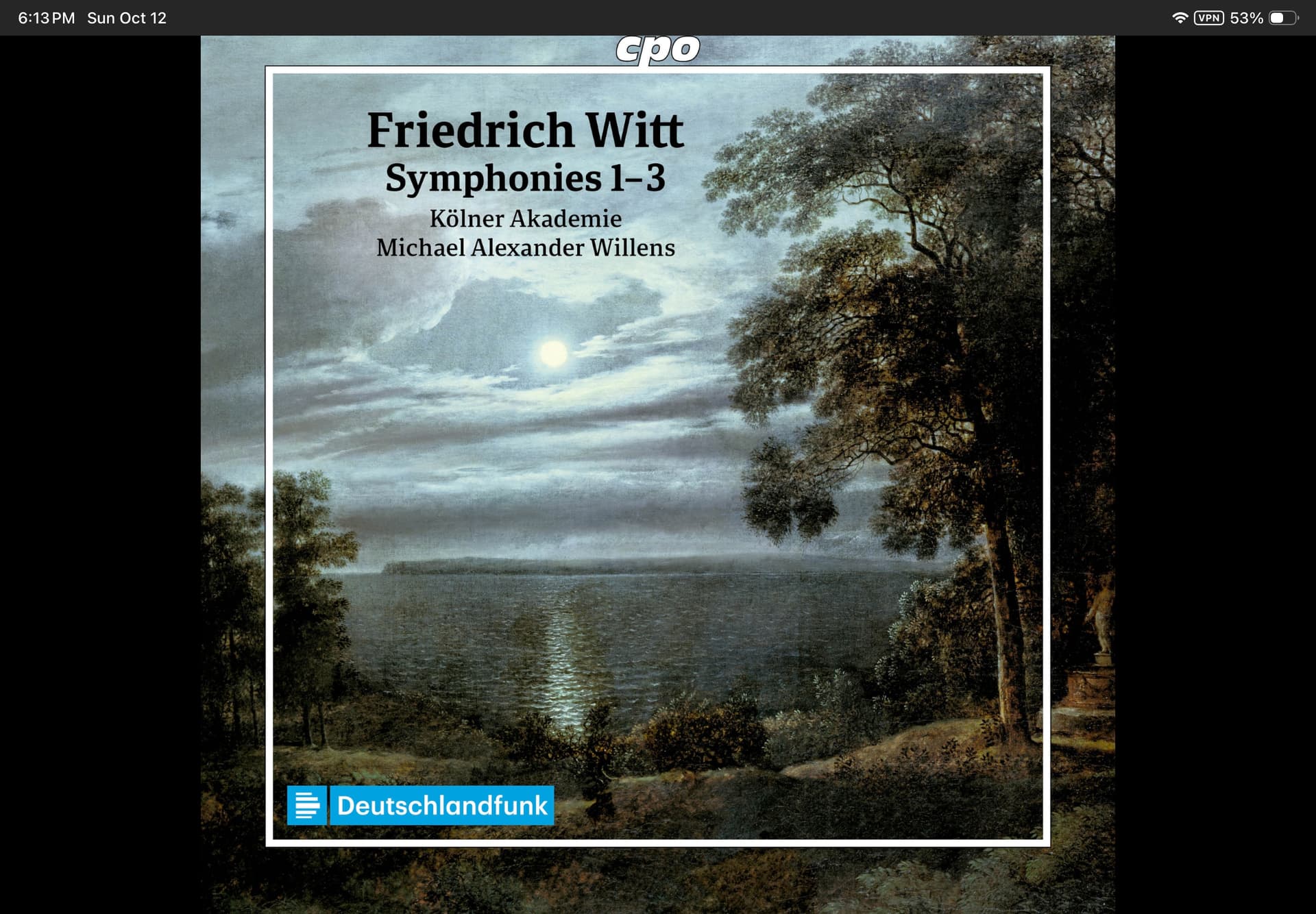
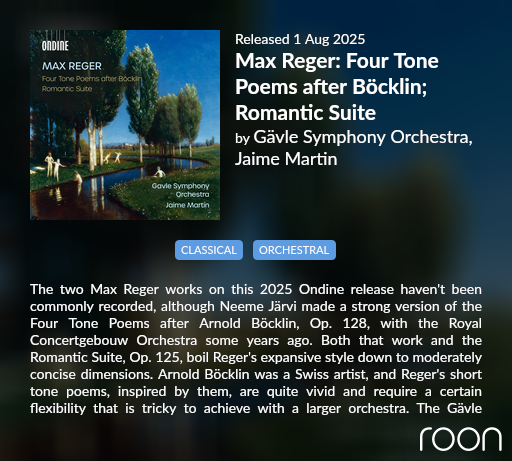
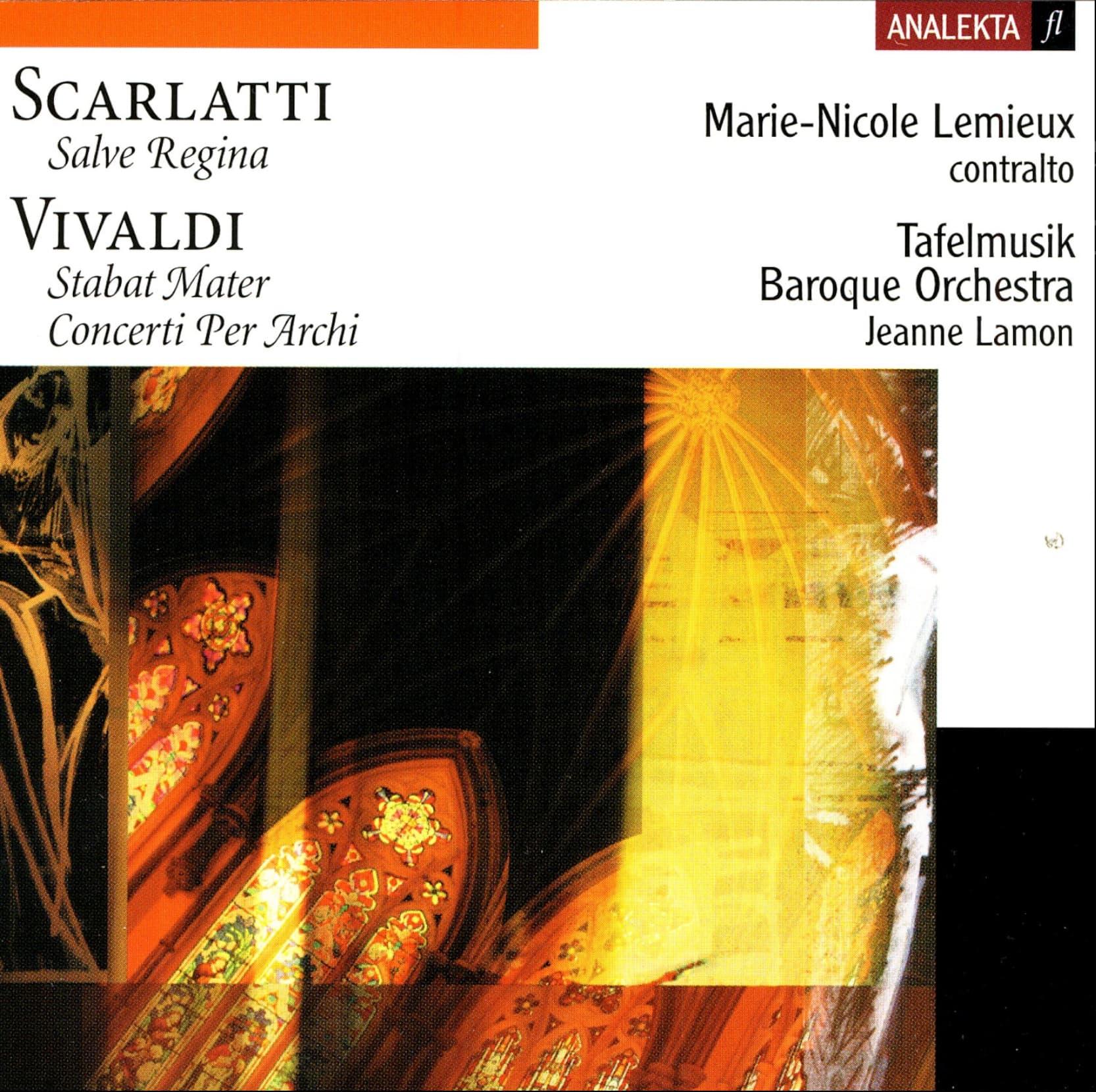
I’ve commented on here several times over the years about the shortage of great contraltos. I have almost everything Sara Mingardo has released. Thankfully we also have Marie-Nicole Lemieux. She’s featured here with fellow Canadians Tafelmusik Baroque Orchestra. Having listened to Mingardo’s Vivaldi Stabat Mater many times it makes a pleasant change to listen to the version here. Does it plumb the depths of emotion that Mingardo does? Almost in my opinion… YMMV of course. Recommended.
3 Likes
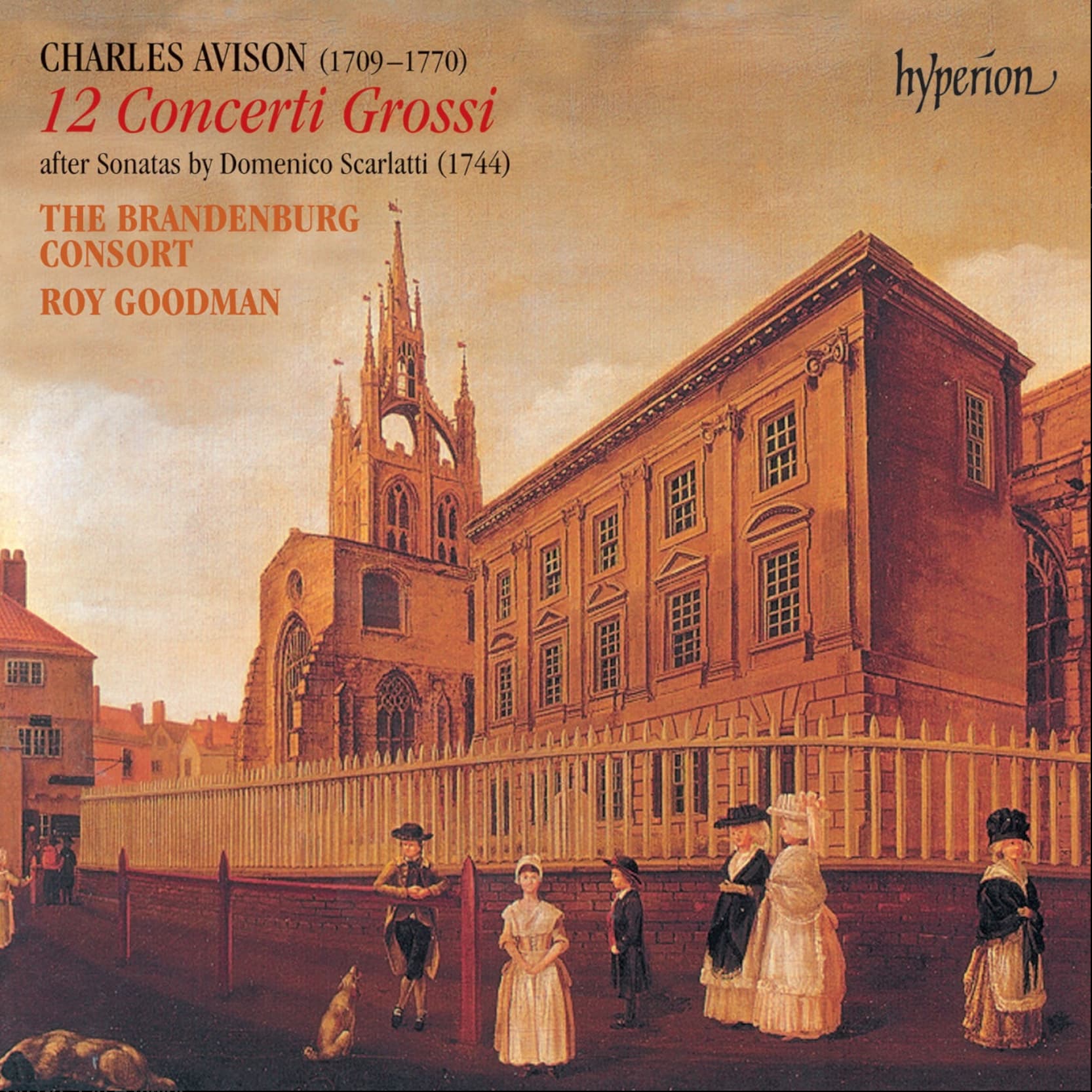
I was listening to 1.fm Baroque and this came on. A hidden gem in the Hyperion catalogue. Very well played and good sound. Avison, surely Britain’s most overlooked composer/arranger.
5 Likes

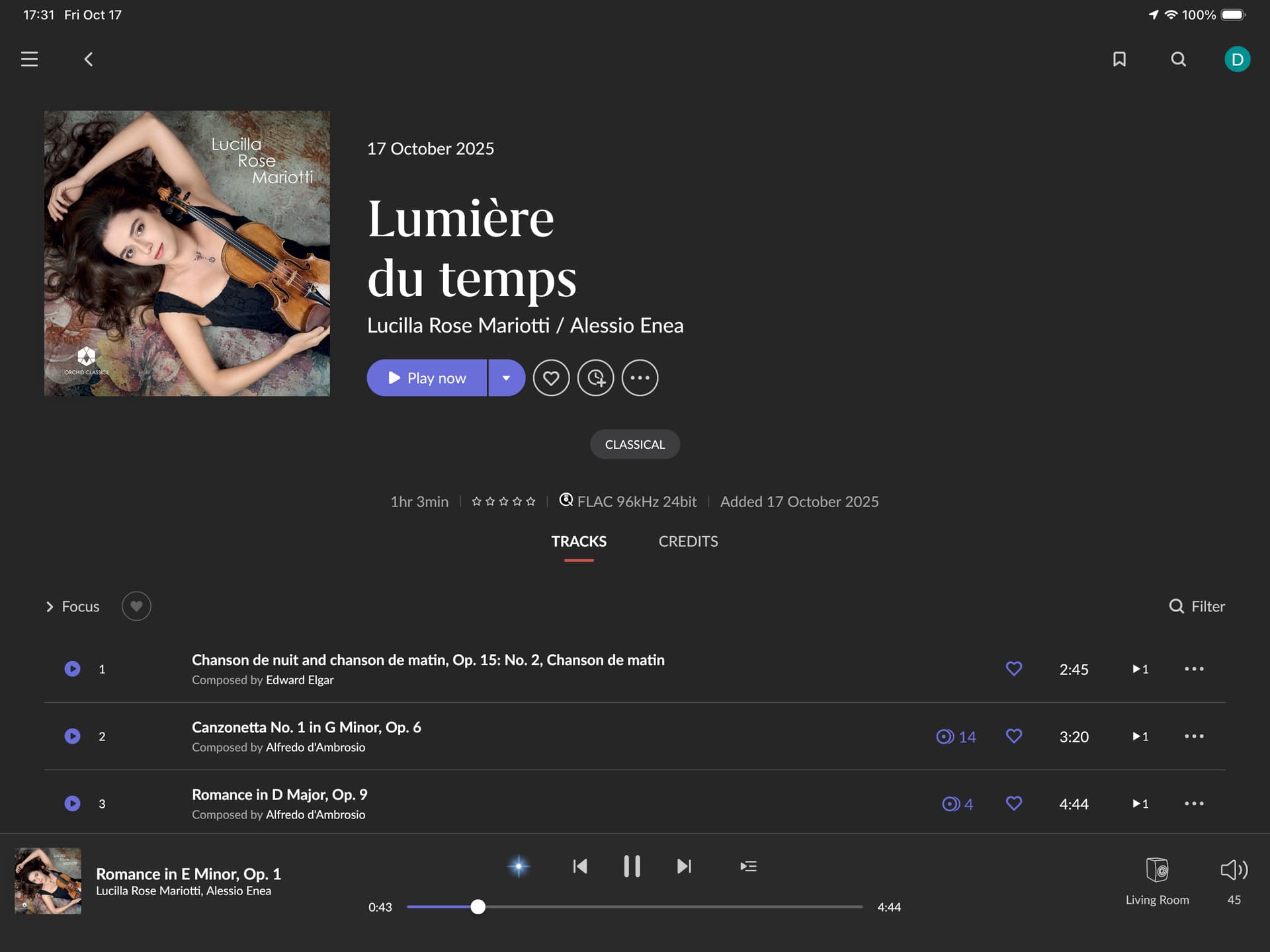
So many excellent new releases out today and old remasters! If you enjoy violin music, listen to this exceptionally recorded recital by the Italian violinist, Lucilla Rose Mariotti. The piano accompaniment is well-balanced and an equal partner.
Doug
1 Like
I previously indicated I was itching to write about Anastasia Kobekina’s recently released complete Bach Cello Suites. Well. Three books, several nice websites and ~ 65 h listening later, I am a little (and only a little) better able to comment upon her recording/performance. I’ll provide pointers to the websites and books in another post, but only if there is interest.
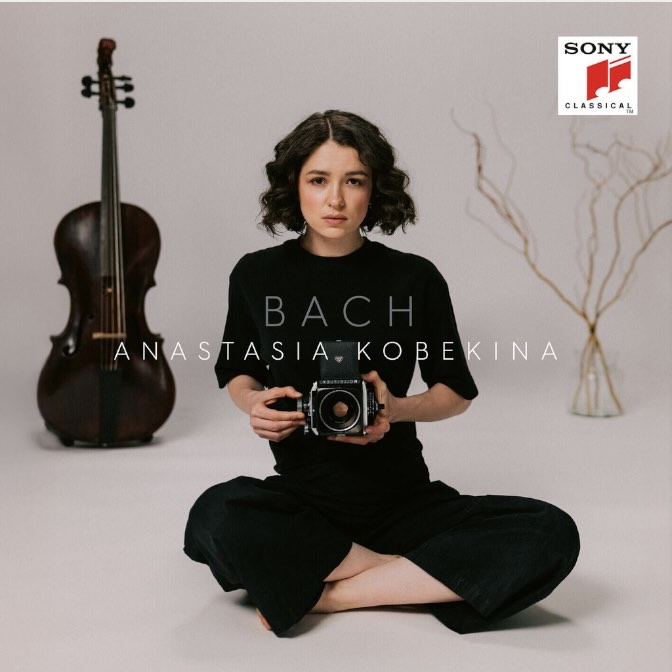
I was attracted to the recording following a nice interview by Martin Cullingford on the Gramophone podcast. The excerpts revealed remarkable sounds coming from the two Stradivari cellos she used for the first 5 suites. She performs the suites using baroque cellos with gut strings and a 5-stringed violoncello piccolo (also with gut strings) for the remarkable 6th suite. I found the sound of the cellos/piccolo cello superbly growling in places, airy and brilliantly articulated in others. She is closely miked, so breathing and string snap are heard, but I don’t mind this. Playing a musical instrument is physical and I quickly adapt to sounds other than those singing cello notes. What sent me off on my listening and reading excursion was what seemed to me variable and occasionally quite slow tempi, something I’m not used to with the Bach Cello Suites performed by my former favorites Janos Starker, Heinrich Schiff and Pierre Fournier. She considers Anner Bylsma as a touchstone and I re-listened to both his recordings. This provided nice context for Ms. Kobekina’s recording. After listening to many other recordings, discovering some new (to me) treasures, I concluded that she was simply enjoying the cello suites in her own fashion, occasionally to the point of self-indulgence. Did this deter me from listening to her performance more than once? Not at all. Do I think that she might revisit these amazing compositions again, as have so many others? I don’t know, but suspect yes. I recommend this recording not so much as paradigmatic HIP (she does use Anna Magdelena’s manuscript as her guide, which allows for many approaches to tempi, since no guidance is provided), but for the remarkably poised articulation and luxuriation in Strad cello sound. Is her 6th my favorite? Nope. It is wonderful though. Was there an element of gimmickry in using the Stradivari cellos? Perhaps. But her performance trumps that.
I have four other recordings that particularly struck me during this adventure. None of them is my favorite for all the suites. Overall, though, it is a close run thing between each of them and all are HIP to varying degrees.
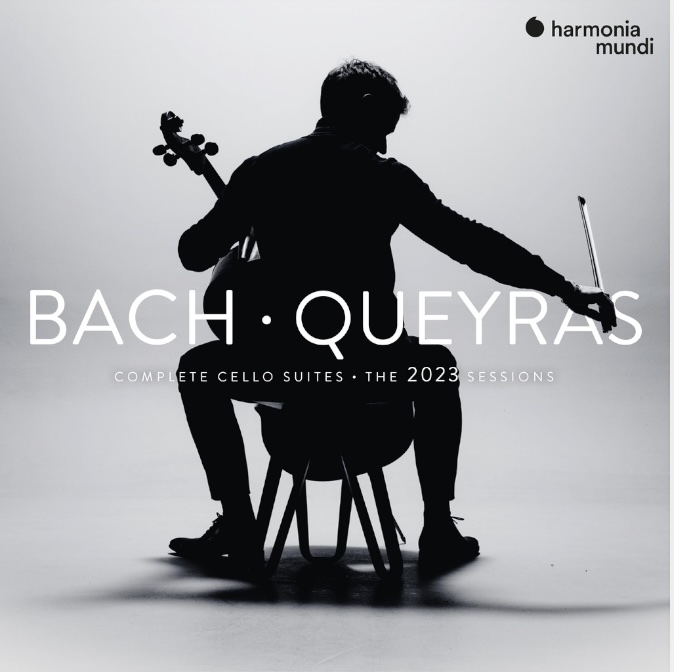
He plays the repeats with fetching ornamentation and has a brilliant overall conception.
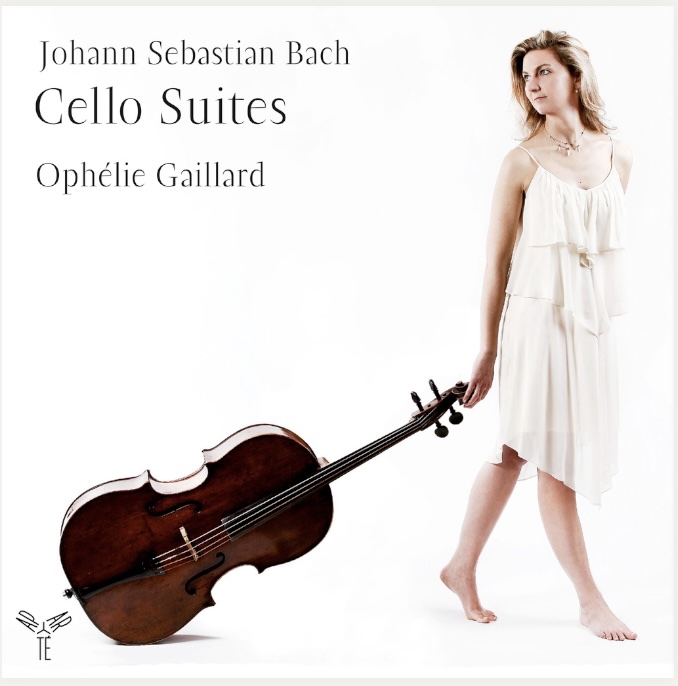
Absolutely captivating interpretation with splendid articulation and tempi.
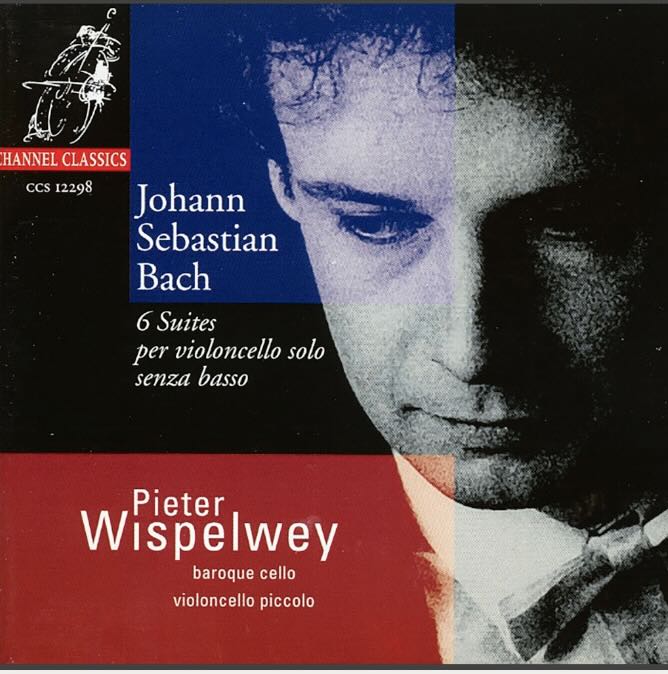
I can’t believe I hadn’t heard this before. It is marvelous. He brings a scholars insight and a musician’s passion to it on a wonderfully growling cello and piccolo cello.
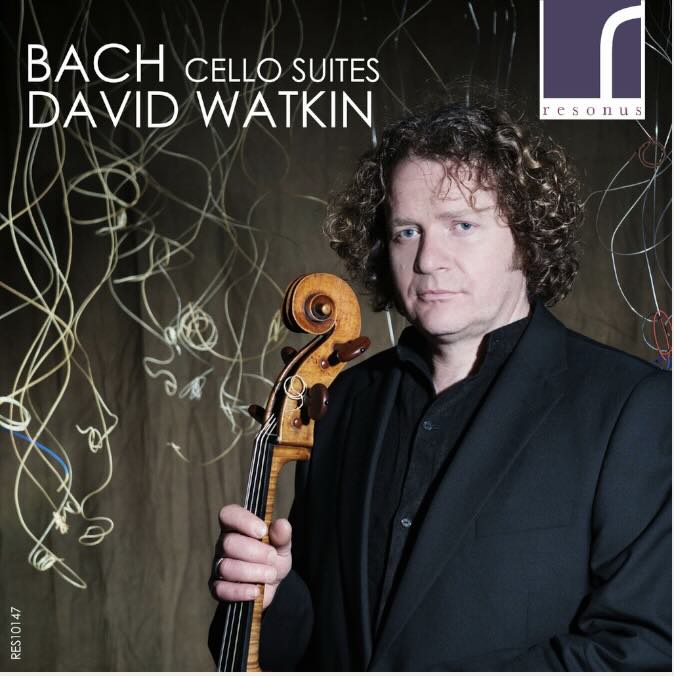
Possibly my favorite from the perspective of what a HIP of these pieces “should” sound like. Brilliant.
There are so many other great recordings I listened to (Bylsma, Demenga, ter Linden, Pergamenschikow, Tortelier, Mork and multiple recordings by the same artists) and I know that further listening would change my appreciation for this amazing set of suites.
8 Likes
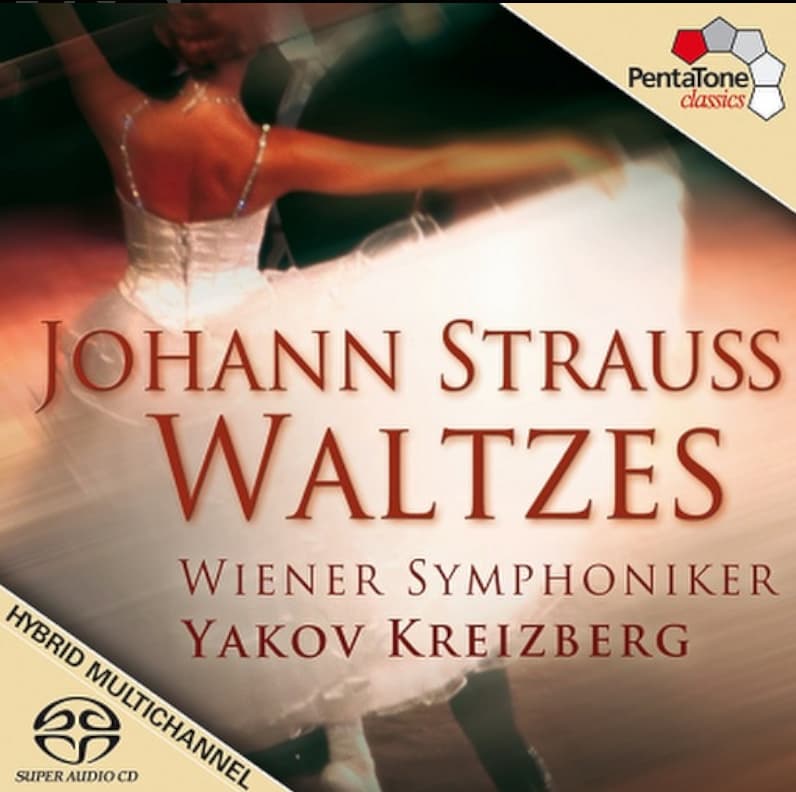
I was listening to BBC Radio 3 a short while ago. They played a Strauss Waltz, which prompted me to listen to this.
2 Likes
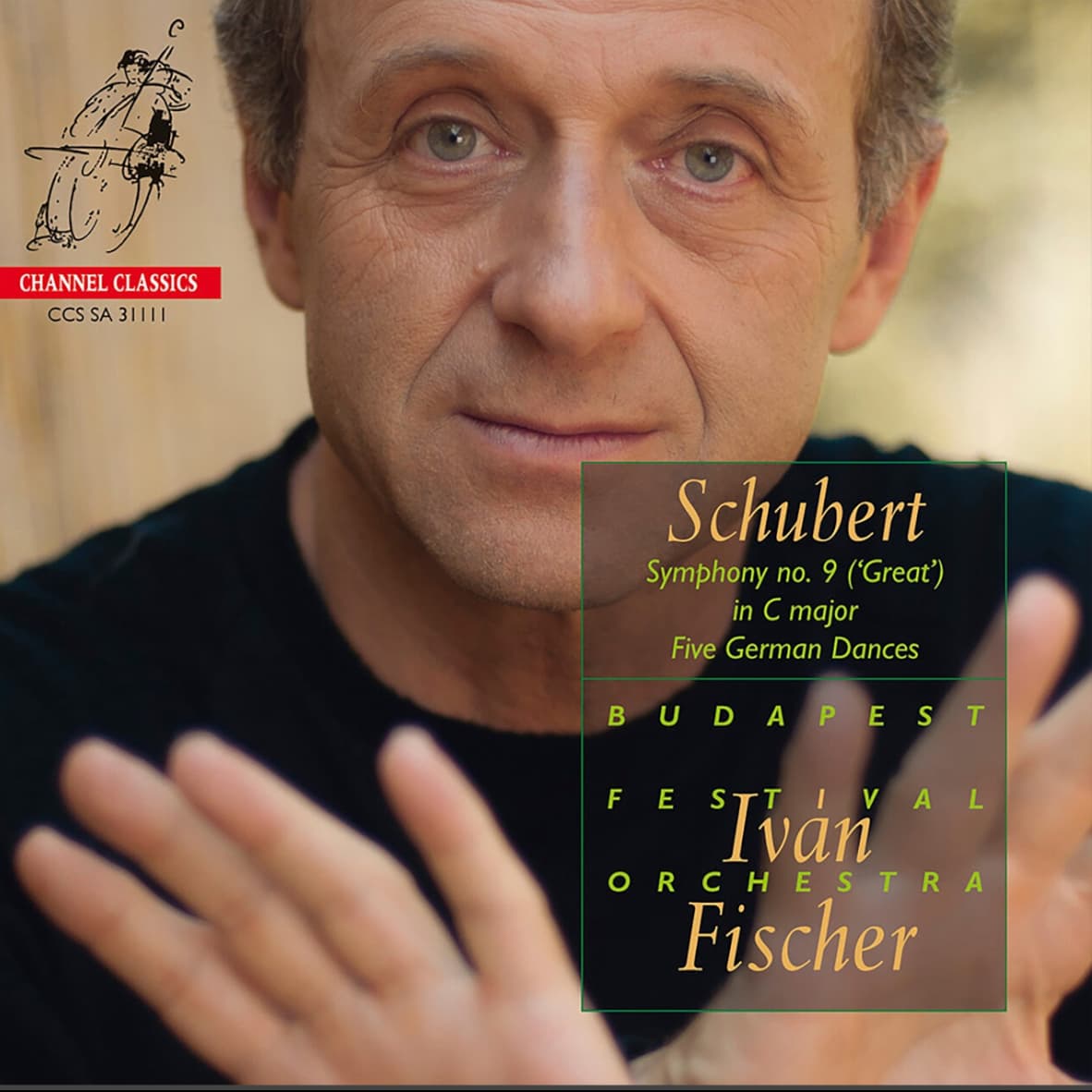
There is a plethora of recordings of this universally known work. This is my favourite version.
IMO, an exemplary performance and, as usual, top notch recording/mastering from the team at Channel Classics.

4 Likes
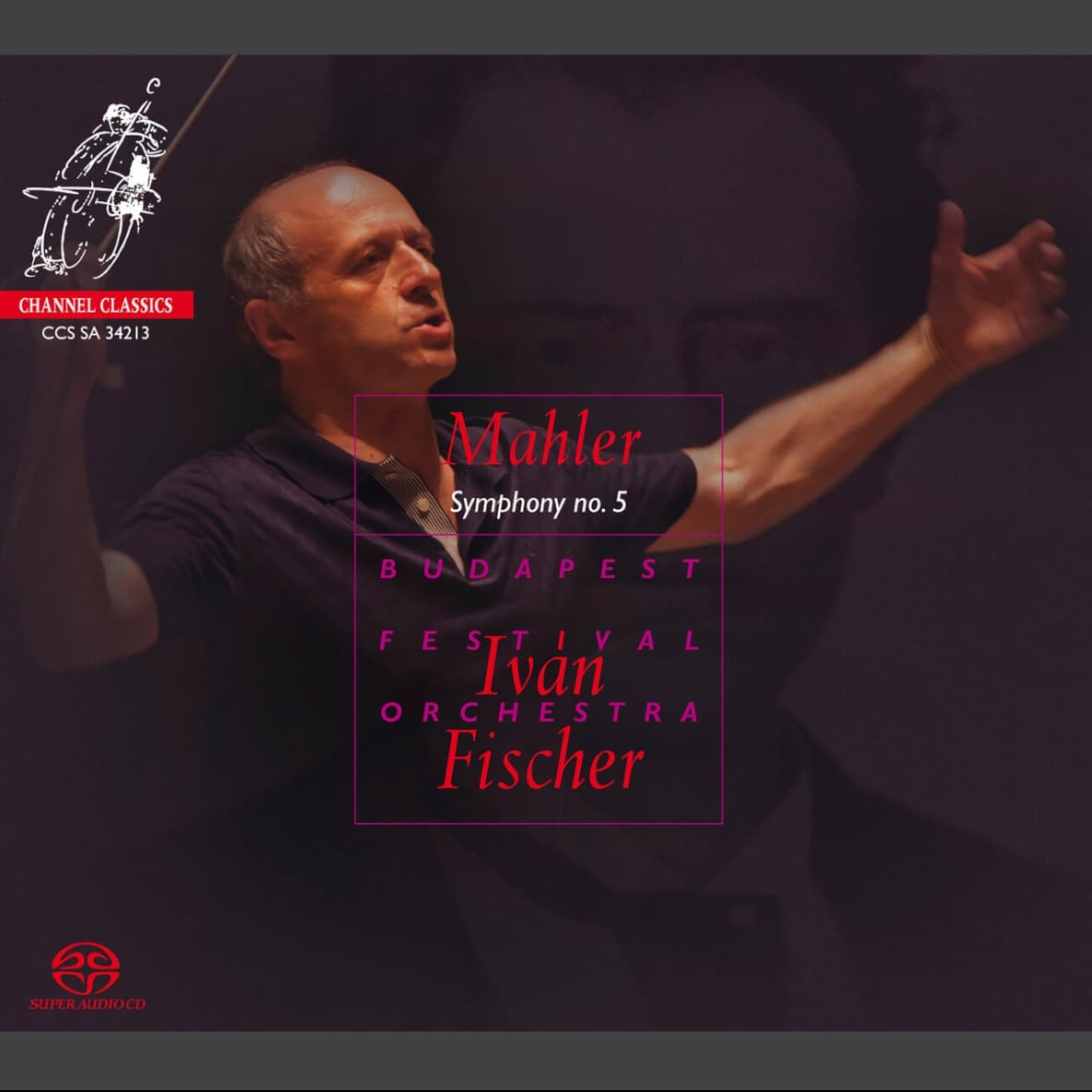
This is another universally known work. I think that this is a fine reading, and an excellent performance by the BFO, under the baton of the maestro, Ivan Fischer.
Yet again, excellent recording/mastering by Channel Classics.
4 Likes

3 Likes