Dear Andreas,
It is a very interesting pleasure to read your blog.
…Your posts are a real asset to me.
Many warm greetings from Bonn
Ralf
Dear Andreas,
It is a very interesting pleasure to read your blog.
…Your posts are a real asset to me.
Many warm greetings from Bonn
Ralf
Thank you very much Ralf. Even if I write those little notes mostly for my own benefit, as some kind of a log of my journey of musical discovery, I am delighted if they are of some use to you and, maybe, some others.
Greetings to you in Bonn!
@Andreas_Philipp1 , I am not often surprised in the realm of early17th C music, but Farina took me back to a concert by The King’s Noyse some 25 or more years ago (if I remember correctly, and I may not), who followed the alternative playing position advice with great impact. Thank you for sharing.
What pitch level are these recordings? They don’t seem to be available via streaming here in Canada.
Hi Nathan, it’s a pity you don’t have access to these albums; here they are available on both Tidal and Qobuz.
For the Roberto Gini/Ensemble Concerto album, Qobuz doesn’t provide the booklet, so I have no information about the pitch and temperament.
On Leila Schayegh’s album, 440 Hz / quarter-comma meantone temperament has been used.
Lately I can’t get away from the first half of the 17th century… what a wondrous time of change and exciting musical developments…
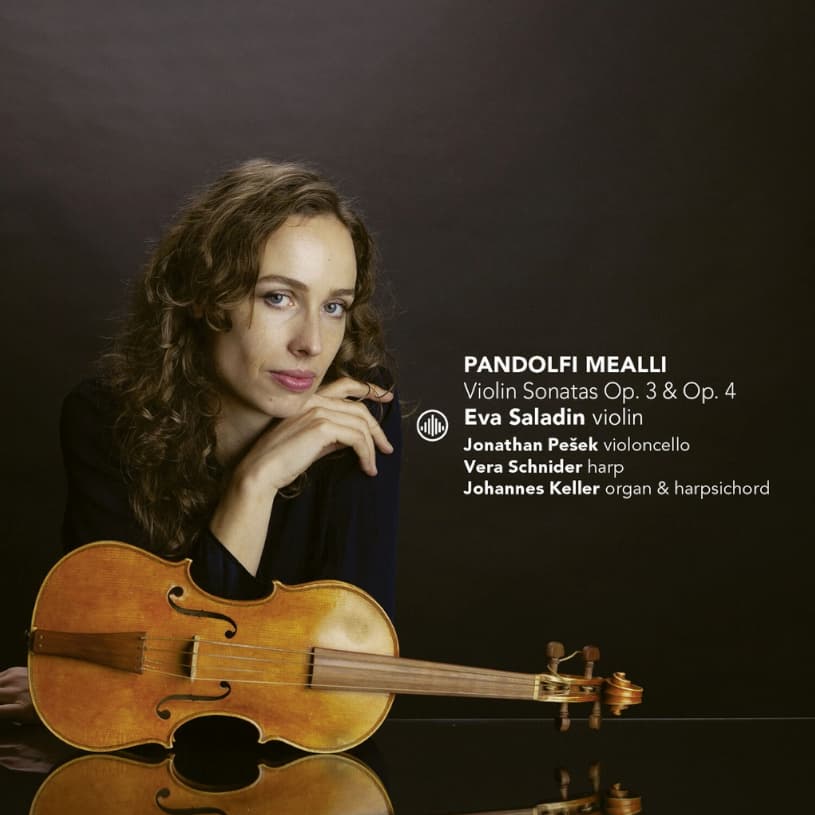
This is the recent second album released by the Swiss baroque violinist Eva Saladin, after her excellent 2021 release dedicated to 17th century violin sonatas from the Di Martinelli manuscript kept at the Catholic University of Leuven, Netherlands. She studied first at the Amsterdam Conservatory, and later at the Schola Cantorum Basiliensis with Leila Schayegh. She describes herself as ‘Historically Informed Violinist’, and a historically accurate performance of the early violin repertoire seems clearly dear to her heart. One interesting and distinguishing aspect of her performance practice are her live presentations with partially improvised music, like this recent performance at the Fundación Juan March of Madrid.
Giovanni Antonio Pandolfi Mealli, born in 1624 in Montepulciano, today is rather well-known for his sonatas composed and published during his employment at the court of the Archduke of Austria at Innsbruck in the 1660s. And, of course, because of his having stabbed to death a castrato singer on the stairs of the Duomo di Messina in December 1675. After this event, he had to leave Italy and eventually came to live in the household of the Papal nuncio in Madrid, haven been ordained himself as priest. He seems to have died in Madrid in 1687.
Andrew Manze was the first (as far as I know) to record the complete Op.3 and Op.4 sonatas for violin and continuo in 1998. More recently, Gunar Letzbor in 2011 and 2013 released the same works with his Ars Antiqua Austria ensemble on Arcana. Eva Saladin is then the third violinist to record the complete set, and I think every interested listener might judge for himself, which of the released versions is the more agreeable…
Hey Classical music connoisseurs, a new Classical Community playlist will be arriving in the next few days. Please see my previous post for tips on saving a local copy of the expiring selections. And thank you all, once again, for your inspiring recommendations. 
I went to the North West Audio Show at the weekend here in the UK.
We were treated to an amazing presentation from this company:
http://chasingthedragon.co.uk/
They put-on an amazing presentation on recording techniques, etc. They’re the ‘real deal’ 
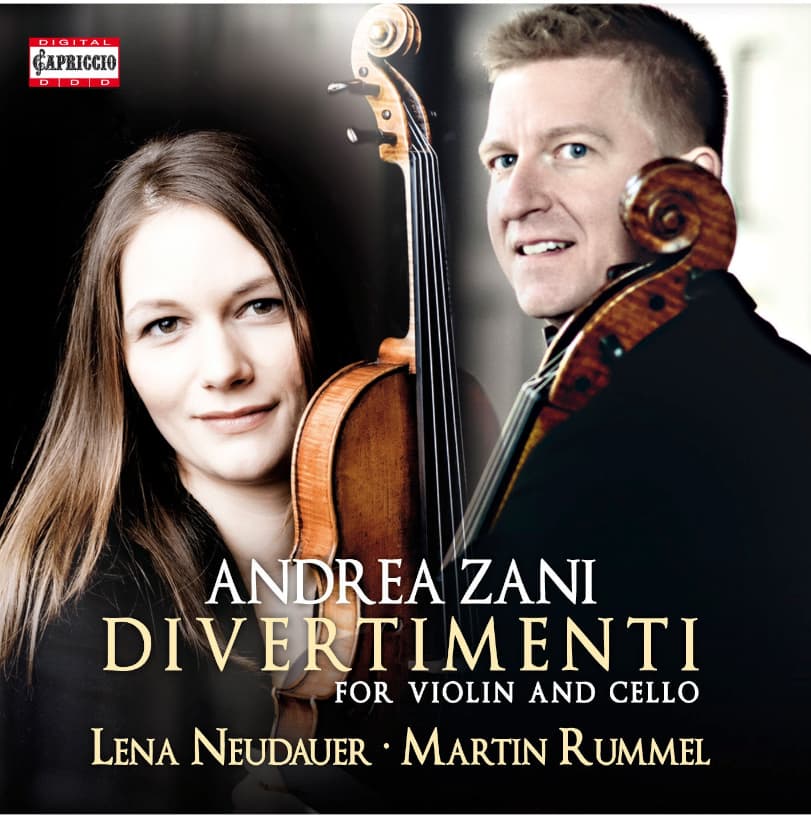
Andrea Zani is a rather obscure composer from the high Baroque and, especially, the late Baroque and transition to the classical period. He was born in 1696 near Cremona, and received a musical education and training as violinist. From 1727 to 1736, he worked at the Habsburg court in Vienna, apparently with support from the Schönborn family, who to this day keep the major part of Zani’s known music as unpublished manuscripts.
I am delighted with this 2015 release with what is said to be the first music in which both the violin and the cello take an equal part. The music is engaging, the playing is beautiful and full of fun, the recording couldn’t be engineered any better.
If you listen to this album, or maybe to Martin Rummel’s earlier and much lauded album with Zani’s cello concertos, don’t miss out on his writeup of The Zani Story… this is something which should be far wider known…
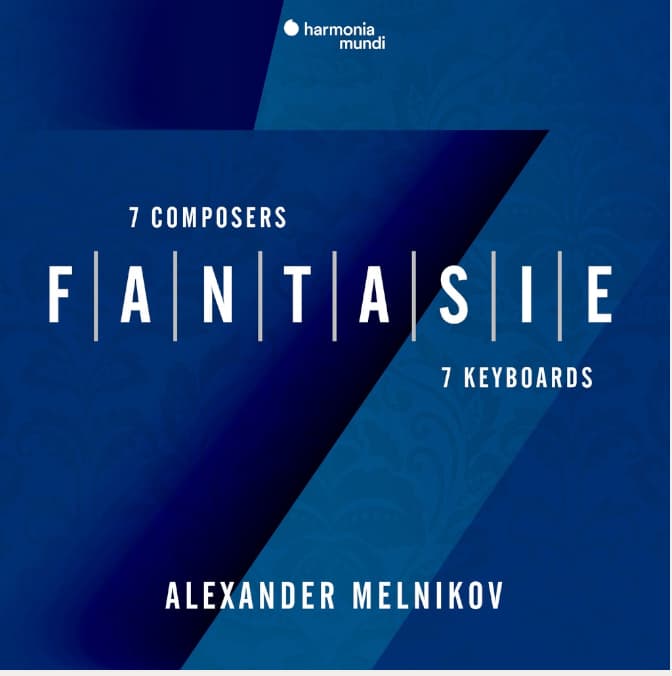
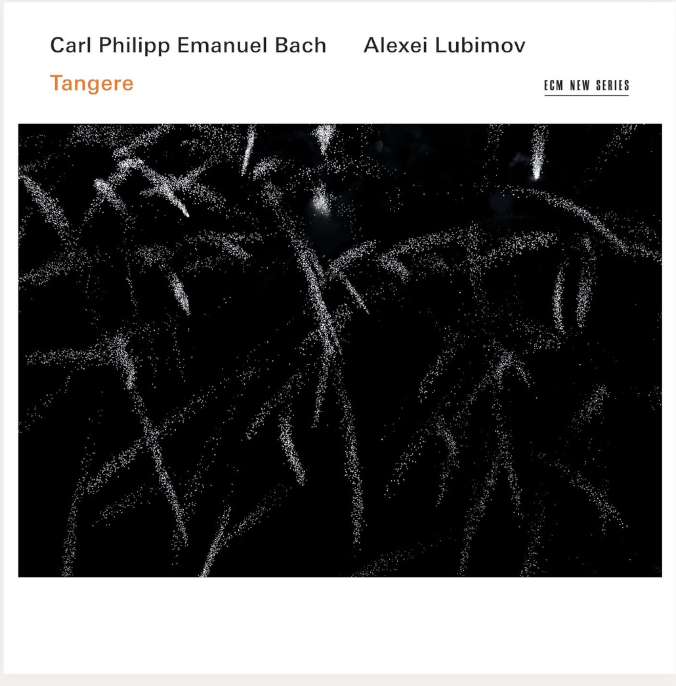
Virtuosic fantasie performances from composers ranging from J. S. Bach to Alfred Schnittke by Alexander Melnikov on different keyboards for each. Splendid performances starting with a Markus Fischinger two-manual harpsichord based upon a Hans Ruckers II original, followed by CPE Bach’s Fantasia in F-sharp minor on the remarkable and rare tangent piano (tangentenflügel; built by Christoph Friedrich Schmahl and restored by George Ott). This is an astonishing performance on a singular instrument, although I have previously listened to Alexei Lubimov’s EMI CPE Bach recording, Tangere (another remarkable performance on this instrument). Mr. Melnikov next performs Mozart Fantasias on a fortepiano followed by Mendelssohn’s Fantasia in F-sharp minor on a different fortepiano. He performs the remaining pieces on pianos (Érard, Bechstein and Steinway). For those of you wishing to sample music from different eras on instruments that may have been in use at the same time performed by a single and virtuosic performer, this recording will properly exercise your cochlea and auditory cortex. It is a wonderful Harmonia Mundi produced recording. The notes provided are both too brief and opaque, but do reveal an underlying artistic connection. Please find a more informative review below. Also note, the fascinating Schnittke piece is an Improvisation & Fugue, so not a fantasy, but connecting to Mr. Melnikov’s theme. This piece may be a bit jarring for those listening primarily to early music, but I decidedly enjoy it.
Hope you enjoy researching the instruments and their makers as much as I did.
Should you wish to purchase a tangent piano or at least ogle one, please see Chris Maene’s site
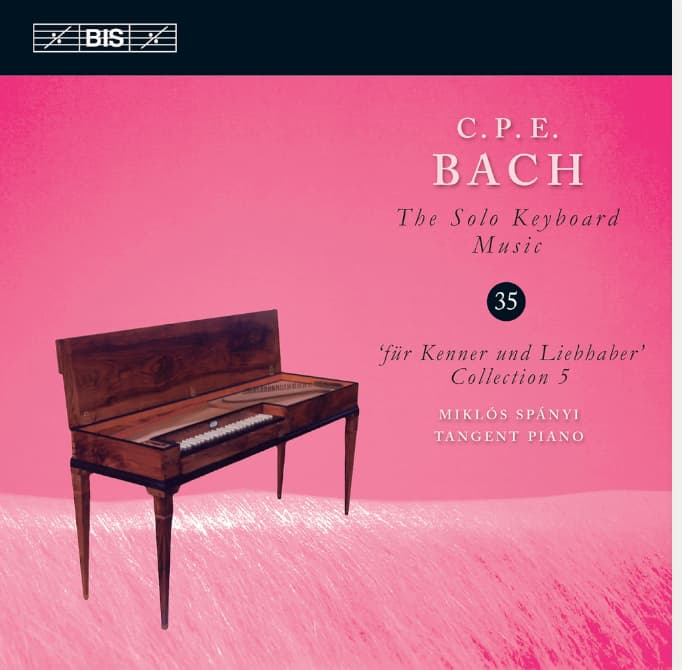
Another artist with good CPE Bach recordings using tangent piano is Miklós Spányi
Indeed a fantastic album…
The latest installment of our Classical Community playlist is now available on the Roon home page.
My heartfelt gratitude goes out to our playlist contributors, @Traian_Boldea, @bill_perkins, @eclectic, @Nathan_Wilkes, and @Andreas_Philipp1 for their tireless dedication to our classical listening education and enjoyment! Many thanks, gentlemen!
A great interview with Rachel Podger last night on Radio 4:
Well worth a listen.
Literally! Took me a while to catch this. Been outside working in the heat this past week. Thank you for the belated levity. Need to partake of delicious beverages more frequently.
Miklós Spányi’s CPE series is a huge achievement. I listened to them all a few years ago. Took me months…
I’m currently giving this a listen. The review is positive.
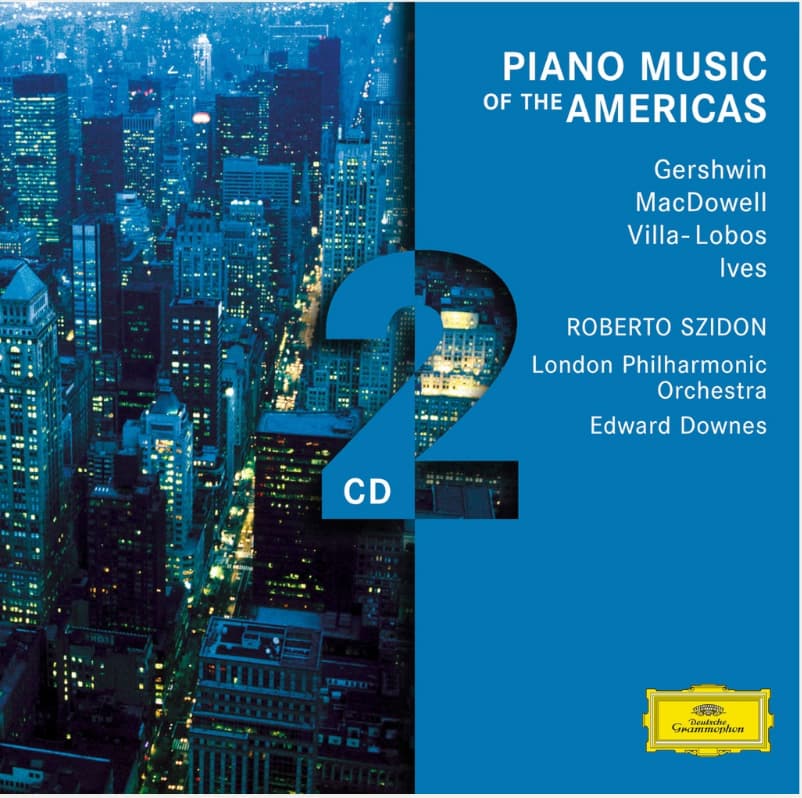
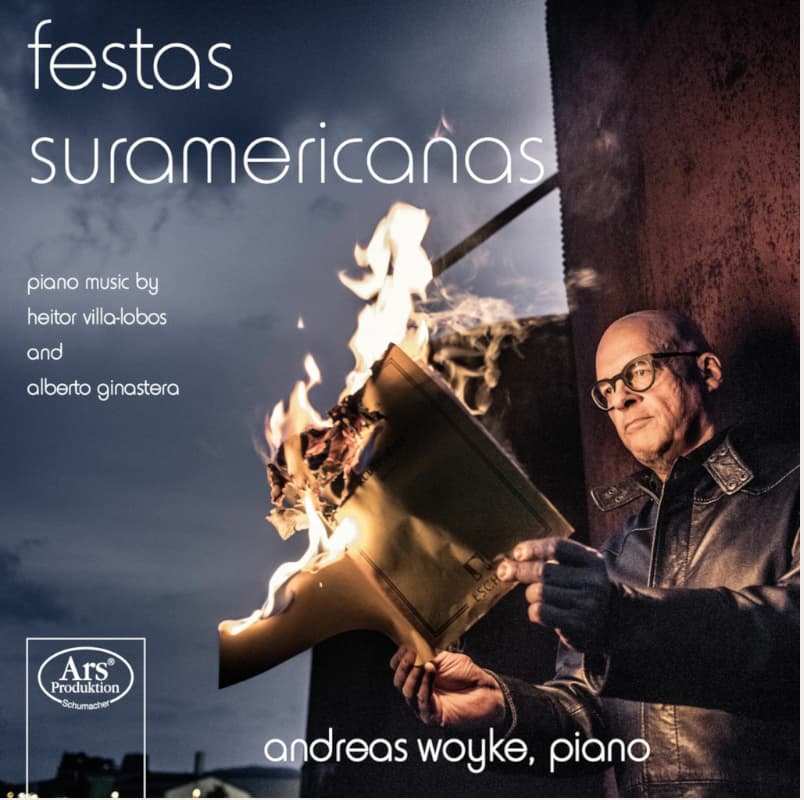
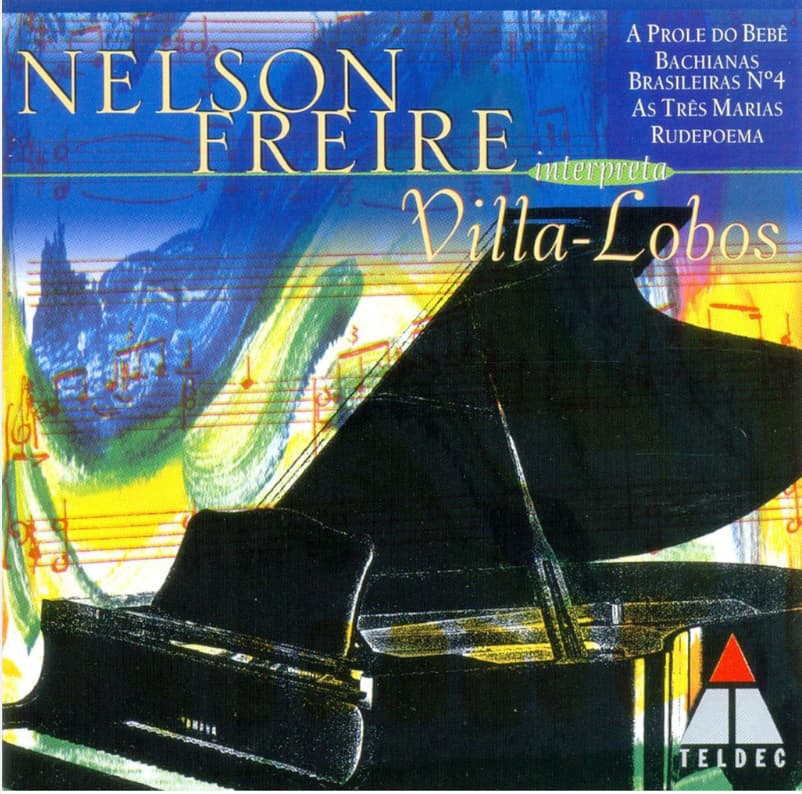
Richard Whitehouse reviews various Heitor Villa-Lobos Rudepoêma performances in the June/July 2023 International Piano Repertoire Guide section. This is a remarkable interwar (WWI/WWII) composition that came as a revelation to me. In the same dimension as Igor Stravinsky/Bela Bartok/Alkan and others. Of the versions I’ve listened to and rapturously enjoyed, I especially enjoy Roberto Szidon, Andreas Woyke and Nelson Freire performances most, in agreement with Mr. Whitehouse. The Andreas Woyke album also has some wonderful Alberto Ginastera performances as well, so comes out ahead as a full recording. Villa-Lobos dedicated the work to Artur Rubinstein, who premiered and occasionally performed, but never recorded it. Hope at least a few of you enjoy this piece/these performances.
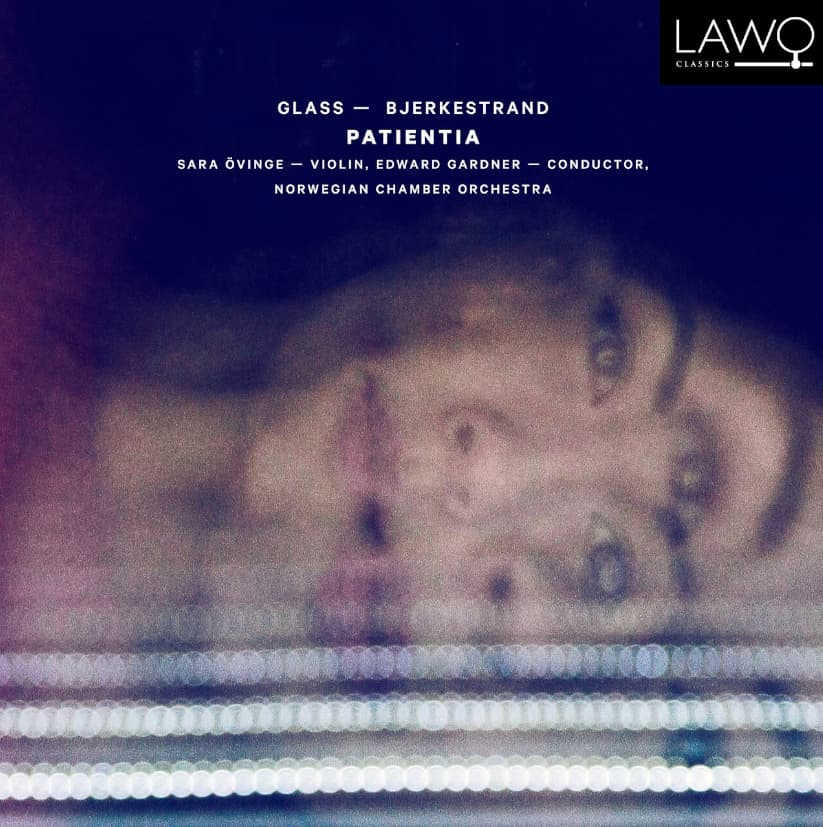
Yesterday and today for the second time, I did listen to Patientia by Sara Övinge. Maybe not for everyone, but intriguing for me as to jump over google (and YT).
There are two performances on this release: Philip Glass’s Concerto No. 2 ‘The American Four Seasons’ arranged for synthesizer and strings and Kjetil Bjerkestrand’s Violin Concerto No. 1 ‘Patientia’.
Researching it was rewarding, from things about Glass and Bjerkestrand to little details like the use of a 1740s Carlo Bergonzi of Cremona for this album.
Sara Övinge, Violin
Olga Jorgensen, Synthesizer (Glass Violin Concerto “American Four Seasons”)
Kjetil Bjerkestrand, Synthesizer (Bjerkestrand Violin Concerto)
Anja Lauvdal, Synthesizer (Bjerkestrand Violin Concerto)
Norwegian Chamber Orchestra
Edward Gardner, Conductor
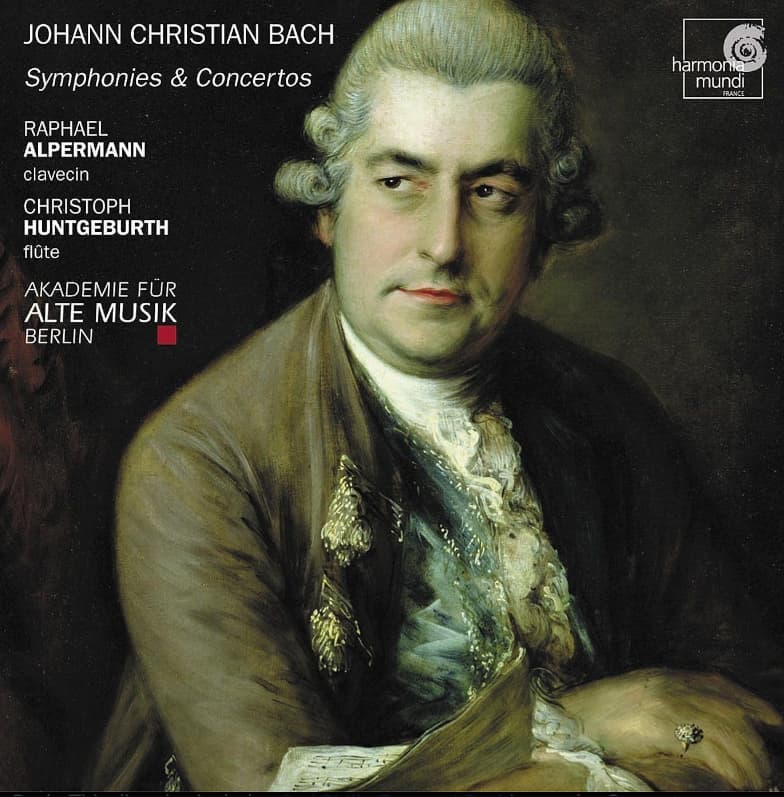
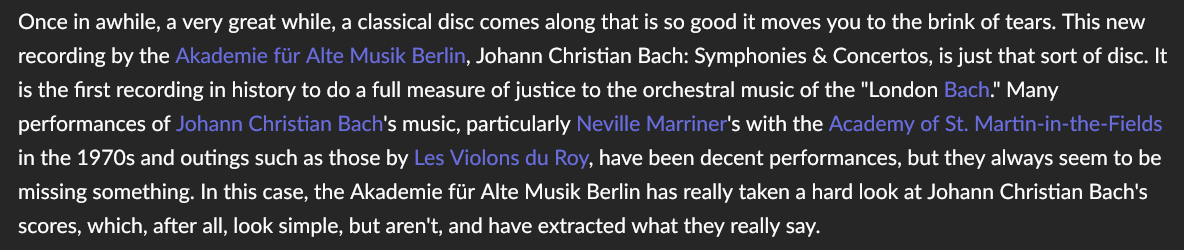
Thank you so much for the recommendation; this album with music by the ‘London Bach’ was new to me… it’s extraordinary…
Indeed. The third “track”, the pizzicato allegretto from his 8th is fascinating. It sounds modern and fresh still, as does “The yellow haired laddie”. I can hear this music in a lot of classical “prog” bands of modern times…
This really good. The music, the performance and the recording quality. It’s like they’re performing live in my home… Thanks.
Have you read the story behind the Zani recordings? It offers an interesting look behind the scenes…