A fresh installment of our Classical Community playlist is live on the Roon home page. It’s our most prodigious collection yet, with over 17 hours of prime selections courtesy of our resident experts gathered here with added new releases chosen by yours truly.
Thank you all again for the lively, inspired, and gracious conversation. I always come away from this thread delighted and educated in my developing love for Classical music. You are the embodiment of the gregarious music curiosity and courtesy we hope for from the Community.
I mentioned here a few weeks ago that I was tired of Bach’s violin concertos, as they’d been over recorded.
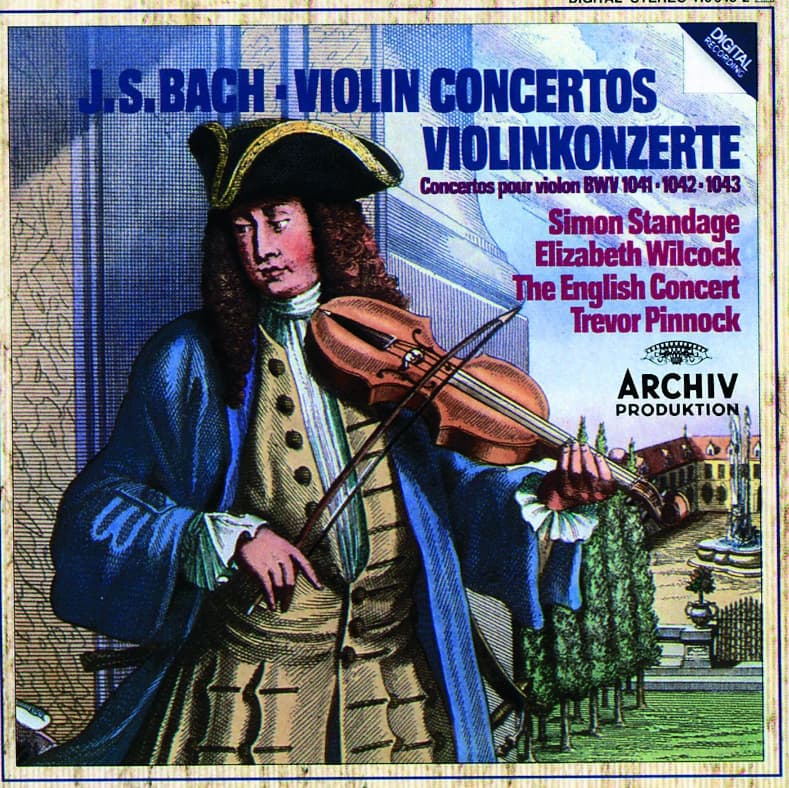
However, today I listened to these two albums. The first by the English Concert under Trevor Pinnock from 1983. This is an excellent recording making it effortless to listen to the continuo and inner lines, rather than being dominated by first violins. 40 years old, from the early days of historically informed performance. 16/44.1 is plenty good enough… Excellent.
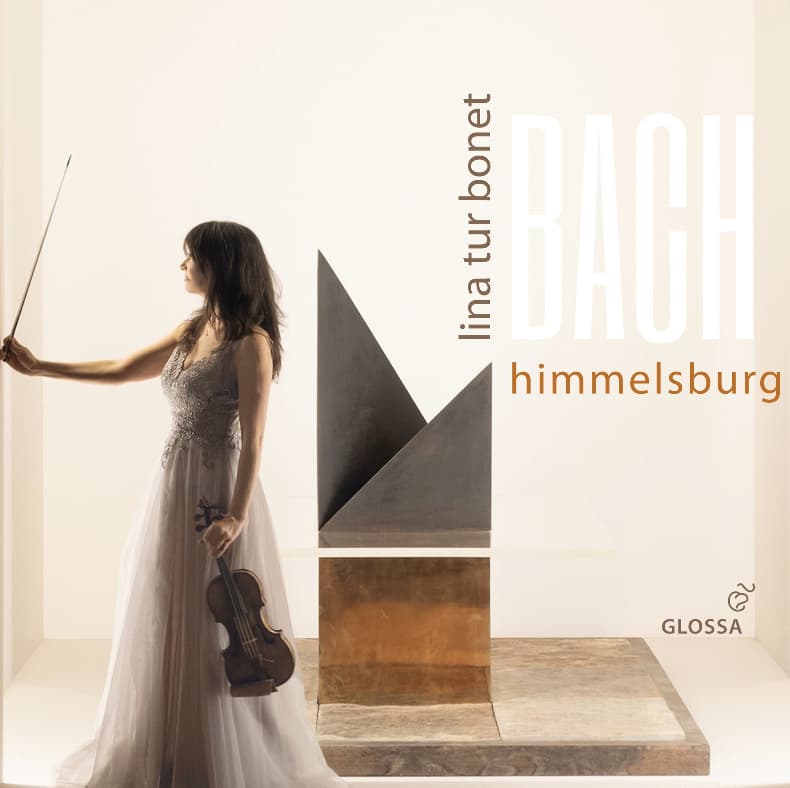
Secondly, a revisit of Lina Tur Bonet’s recent release. This must be the most dynamic Bach I’ve heard for years. Try the 1052R… Put her on stage with Black Sabbath and she would hold her own.
I enthusiastically weighed in on this (Yunchan Lim’s) exquisite Liszt Transcendental Etudes performance when it first became available this summer. I believe someone else on the blog recommended it then. Very grateful they did. Repeated listenings and listening to 27 other versions has not decreased my appreciation.
This performance and Hilary Hahn’s Ysaÿe: 6 sonatas for violin solo are the highlights of the year for this listener. Would be interested in hearing from others what their highlights for 2023, thus far, are.
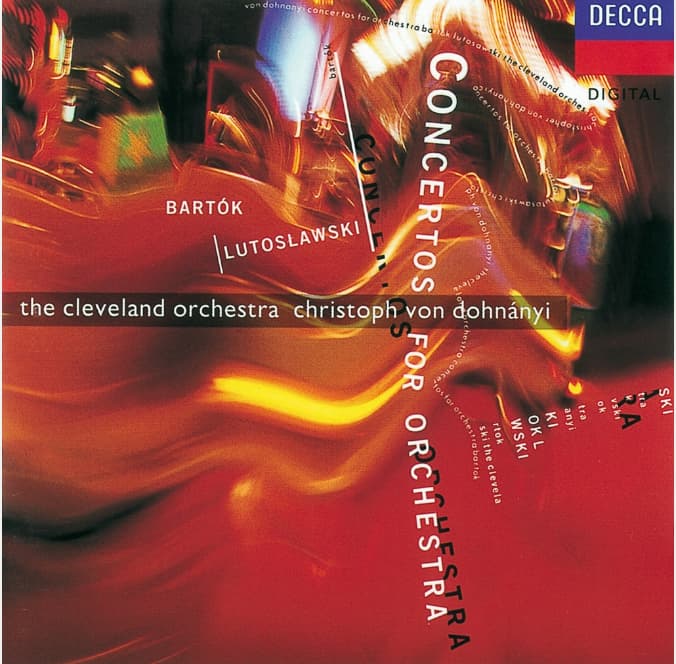
Separate matter. I was again listening to Joshua Weilerstein’s wonderful Sticky Notes podcast, this time about Witold Lutasławski’s Concerto for Orchestra. Wonderful exposition and breakdown of the piece. Decided to re-integrate it by listening to an outstanding Decca Christoph von Dohnányi/Cleveland Orchestra recording. Is there Cold War code in it? What are the folks songs alluded to? No matter (of course it all matters). Just sit back and listen to a sublime performance.
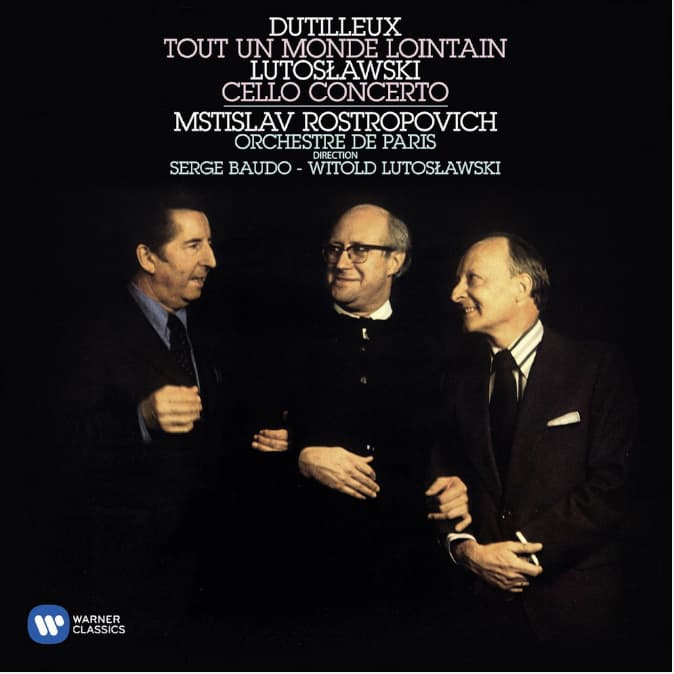
This naturally led me back to a Mstislav Rostropovich dedicated Cello Concerto by the same composer and performed by the dedicatee and Serge Baudo/Orchestre de Paris. Is the cello the individual standing up to the state, the orchestra? These Cold War compositions can be freighted with allusions that escape contemporary listeners. Mssr. Rostropovich is in rarest form in this excellent 1989 recording and the orchestra complements his superb playing with wonderful playing of their own.
Me too, and Strauss is often where she is most stunning. Whilst I just love her ‘Ariadne’, and apologies for posting this again, but it is often stuck on repeat, the closing moments of ‘Salome’, live, involve some of her most stunning singing ever.
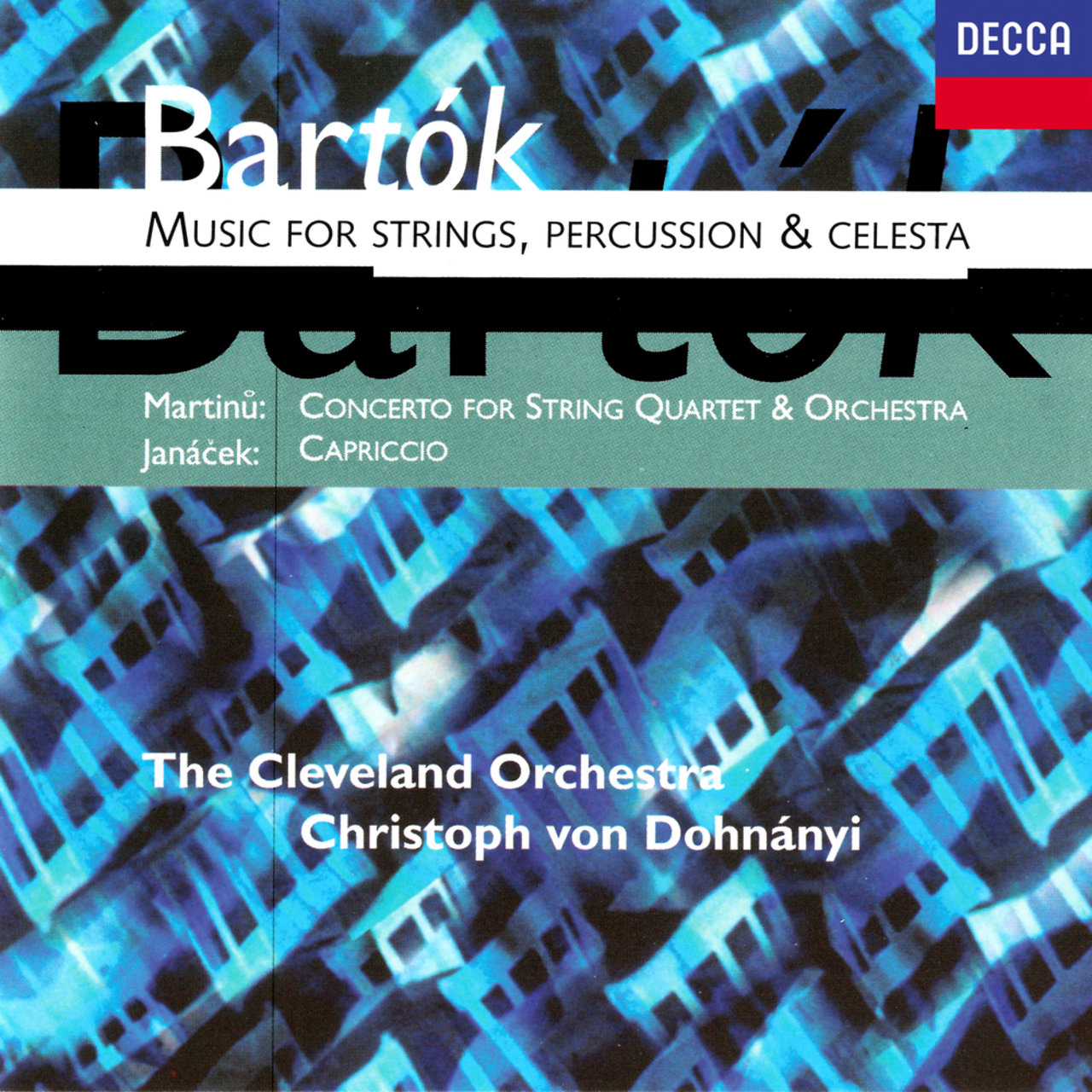
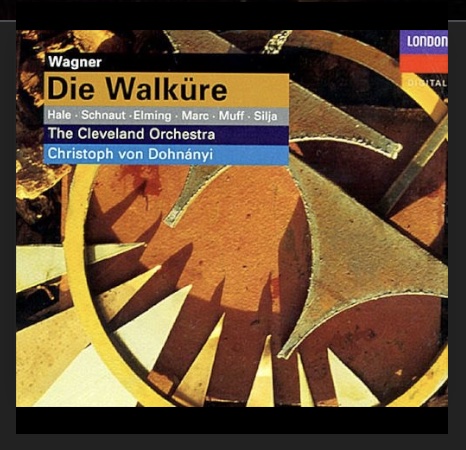
@bill_perkins I really like that Lutasławski by Cleveland/Dohnányi on Decca. The Cold War code question is intriguing and the cover art is ideal for the music.
I think that Decca era with Cleveland and Dohnányi produced some great albums and I really hope Universal will someday release a complete recordings collection from this collaboration.
I couldn’t help myself and am now listening to this album:
This is a wonderful album that I had not previously listened to and I thank you @Thomas_Becker for generously pointing it out. A most unique combination of performances. One wonders how Decca was convinced to record it, although I am delighted that they did. David Hurwitz, perhaps the most prolific (and highly opinionated, yet extremely knowledgeable) classical music reviewer, provides a humorous and very appreciative review Under the Radar: Great Bartók, Martinu, and Janácek from Dohnányi and Cleveland - Classics Today
This review is behind the Classics Today Insiders paywall. Sorry. Can post if anyone interested.
I had not realized that Herr von Dohnányi was still with us. A thoroughly impressive history and distinguished recording legacy. All honor to him and those that helped create these wondrous recordings.
I am definitely having a bit of an opera phase, perhaps stimulated by the Klemperer and de los Angeles releases, and whilst I have been obsessing about what is the best ‘Boheme’ (the Pavarotti/Karajan recording is so peculiarly mixed) the Klemperer account of ‘Wotan’s Farewell’ with Norman Bailey, pushed me right down the rabbit hole.
For various reasons, I find the London/Knappertsbush account the most compelling…something about those mournful horns at the end, after the Siegfried motif, that captures sorrow like little else. Lucky someone recorded it.
if you haven’t heard it, the complete Walküre with Leinsdorf is very good, and London is spectacular. extremely vivid recorded sound as well. I believe this was originally one of the RCA Soria releases. I have a vinyl copy as well.
That is both an interesting and very very demanding piece of music from singer´s point of view (despite from just being one of Wagner´s most emotional scenes he has ever written). Klemperer is taking it too slow in my understanding.
In both parts (´Leb wohl, Du kühnes herrliches Kind´ and ´Der Augen leuchtendes Paar´) the usual tessitura of the bass-baritone which Wotan clearly is gets shifted slightly to what a high baritone or tenor would be more comfortable to sing (without any tenor-typical high notes), especially given the fact that the tutti accompaniment is massive in the first part. Sidenote: there is a psychoanalytical theory to that, i.e. the bass-baritone father´s wish for actually being a lover of the heroine-soprano which would require a real tenor.
So i prefer a Wotan who can really master these high passages like a tenor. Without any doubt Bailey is great but especially this scene sounds a bit uncomfortable in my understanding. George London is much better but he darkens the vowels of these passages and retains fully pressurized lungs when he is supposed to sing piano.
Of the recordings I have listened to I would prefer Albert Dohmen or Robert Hale who both have this ability. Unfortunately all three recordings (Haenchen, von Dohnanyi or Sawallisch) are far from perfect but maybe someone would be interested in just listening to some excerpts:
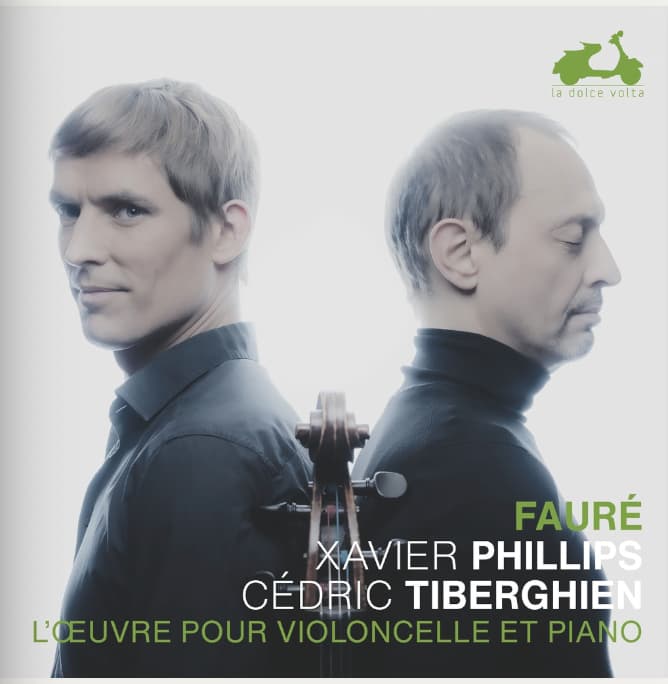
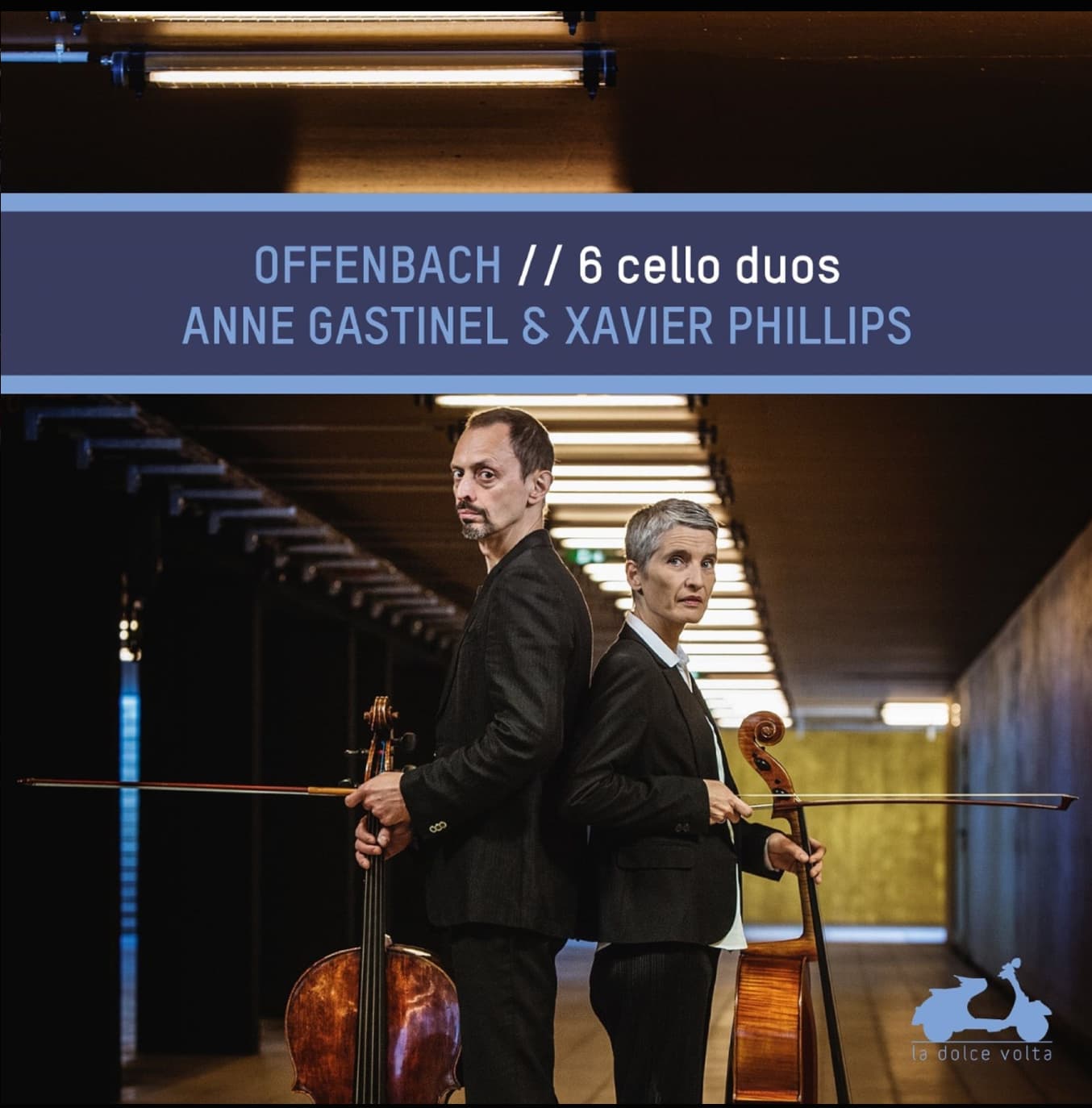
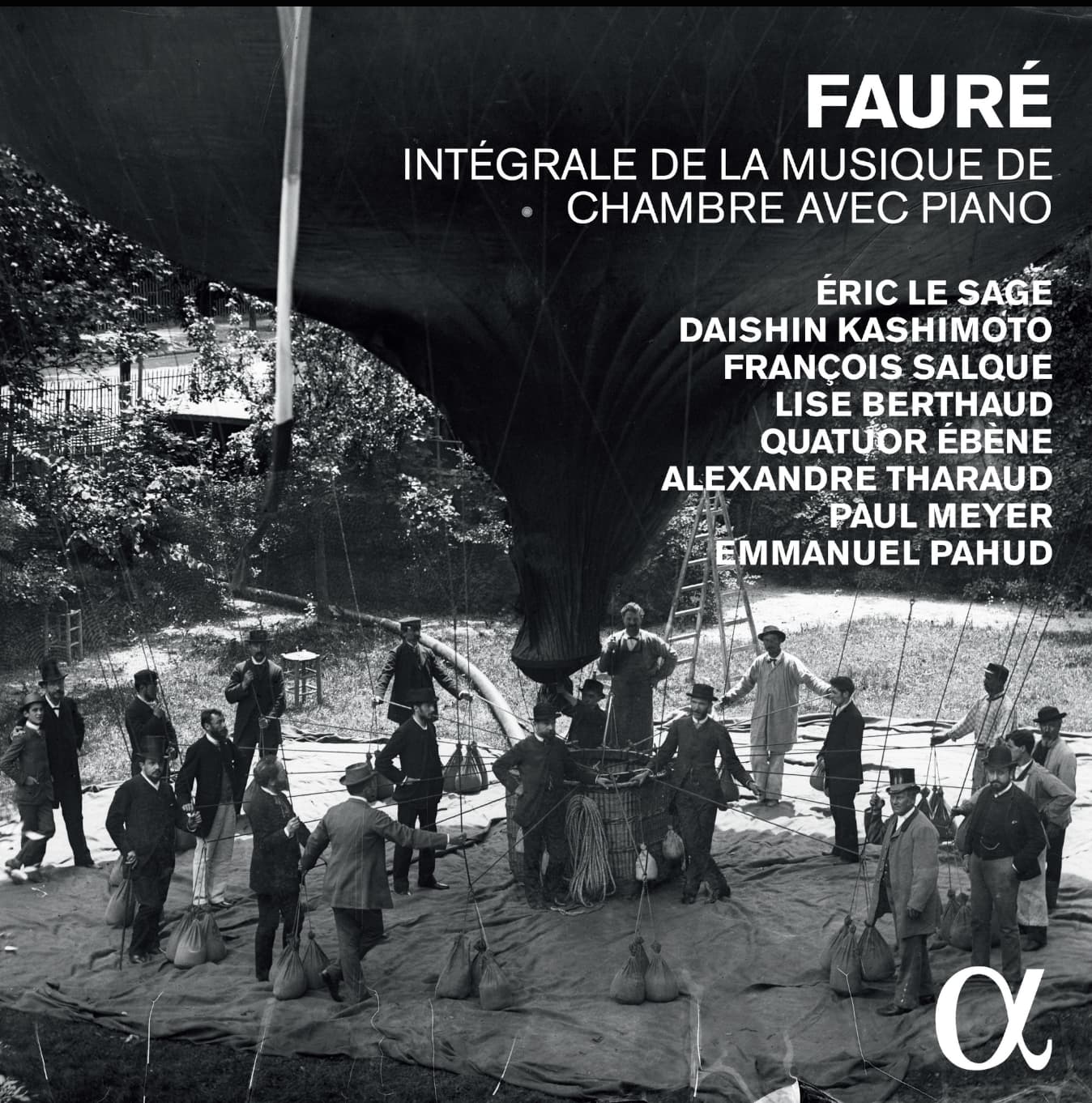
Heard French cellist Xavier Phillips and pianist Cédric Tiberghien interviewed by Martin Cullingford on the Gramophone podcast re: a November La dolce Volta release of Fauré, The music for cello and piano Fauré's music for cello and piano | Gramophone. The entire recording has wonderful color, tone, dynamics and Fauré’s unique style. The two sonatas for cello & piano are remarkable, particularly No. 2, given that he was in his 70’s and nearly completely deaf when he composed it. The reason I thought of you, @CoralRad, is your recent mention of Après un rêve, which I greatly enjoyed. I find the cello version recorded here (particularly since it was arranged by Pablo Casals) richer, almost vocal sounding. I highly recommend this performance and hope these two get up to something equally good for this label in the near future.
Added later: Harry Potter fans will note that John Williams borrowed on the heavy side from Fauré’s Sicilienne for Hedwig’s Theme. Not the only instance for Mr. Williams and certainly done to great effect.
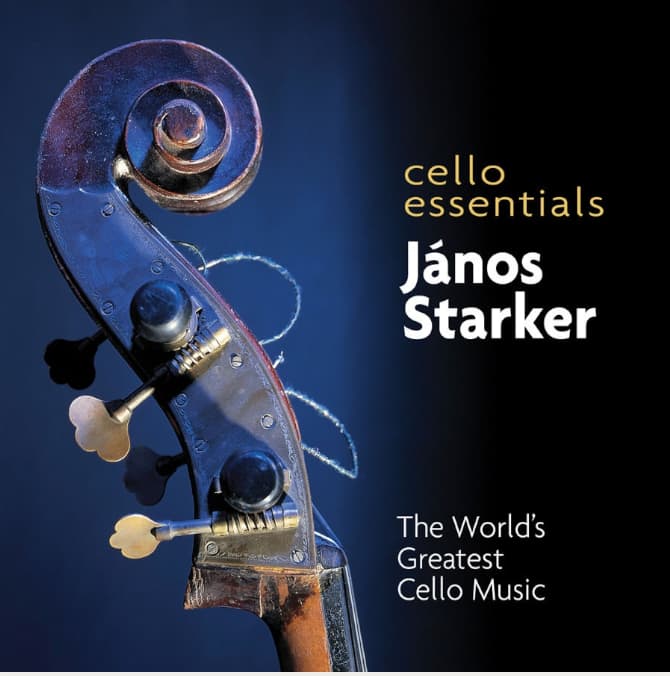
@CoralRad, I also have the two cello sonata recordings you mention and a few others that are not noteworthy with the exception of János Starker’s Aprés un rêve, which is my favorite version. On a “curious little disc” I found when on an intensive search for János Starker recordings. One of the great cellists. A chain smoker himself, his cello also has a wonderfully elemental and even, perhaps, smoky voice.