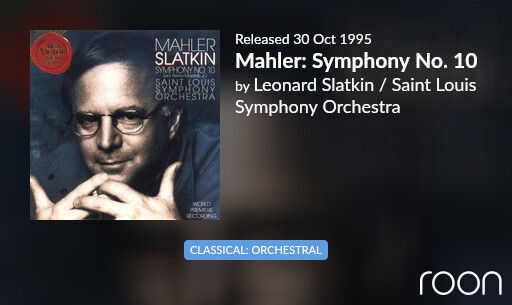
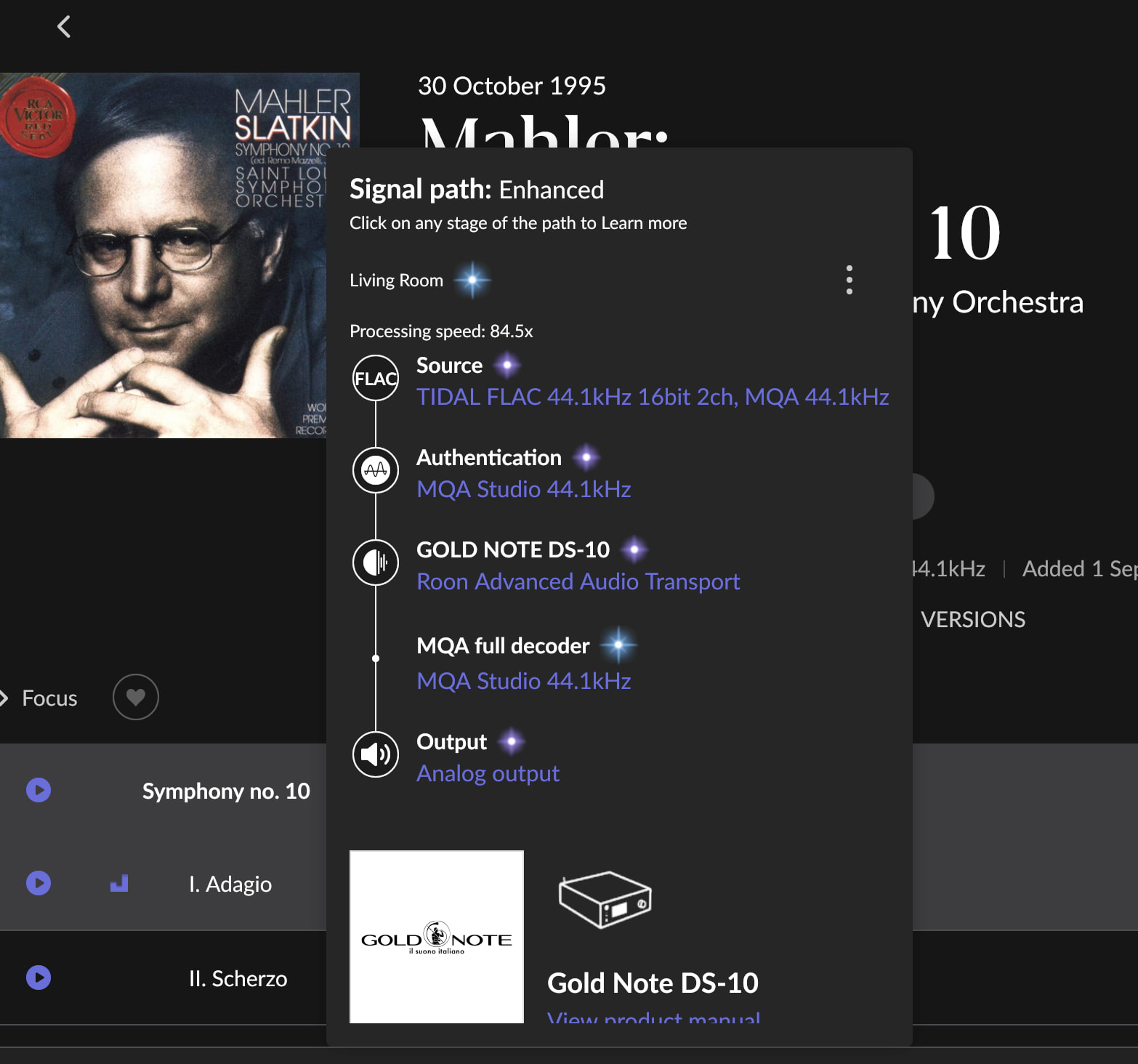
And because this is driving me crazy, here is unofficial corrected artwork.
3 Likes
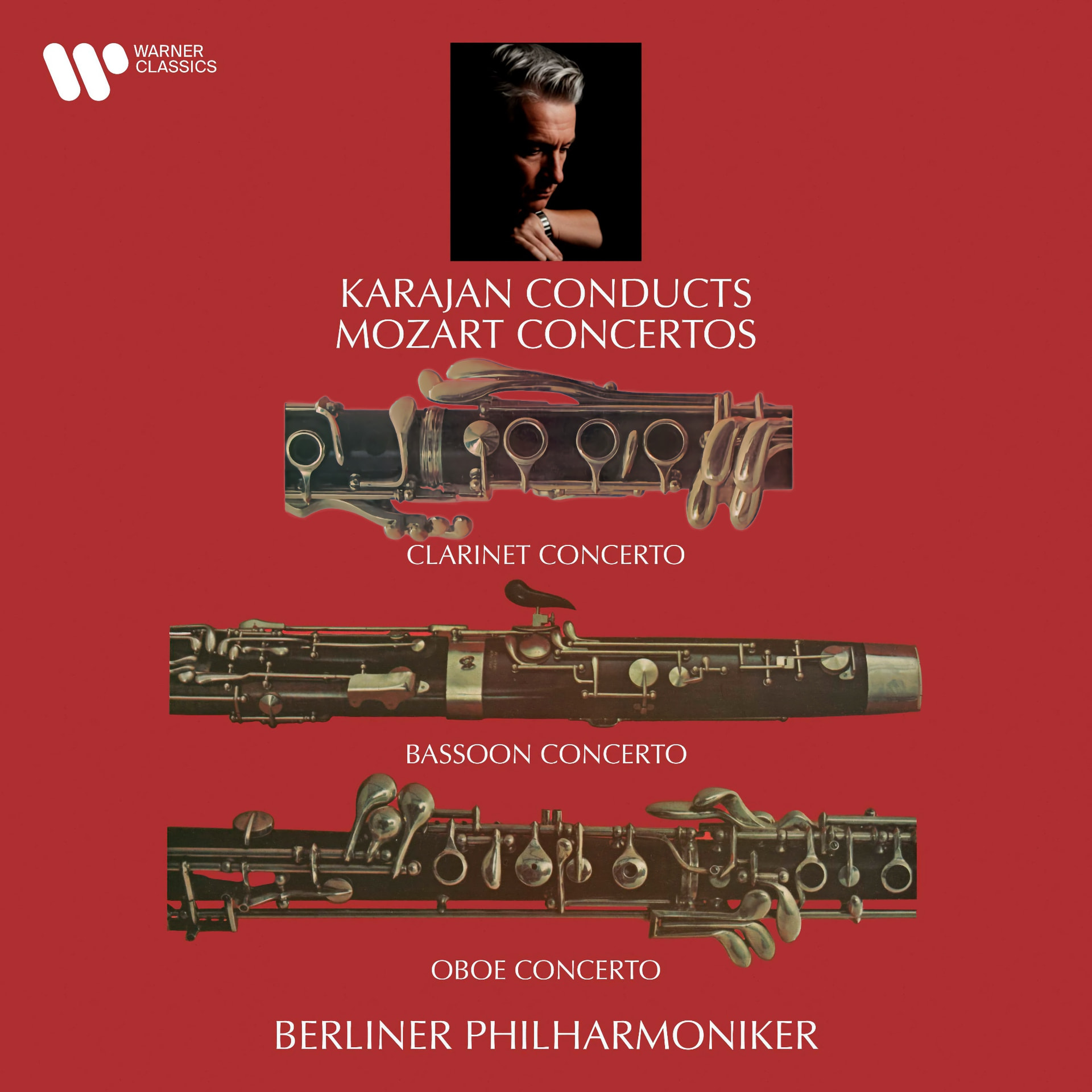
I spotted that as well , mine was ripped from the original box yeas ago and the order was
1 Horn concertos
2Flute & Harp
3 Clarinet & Oboe
1 Like
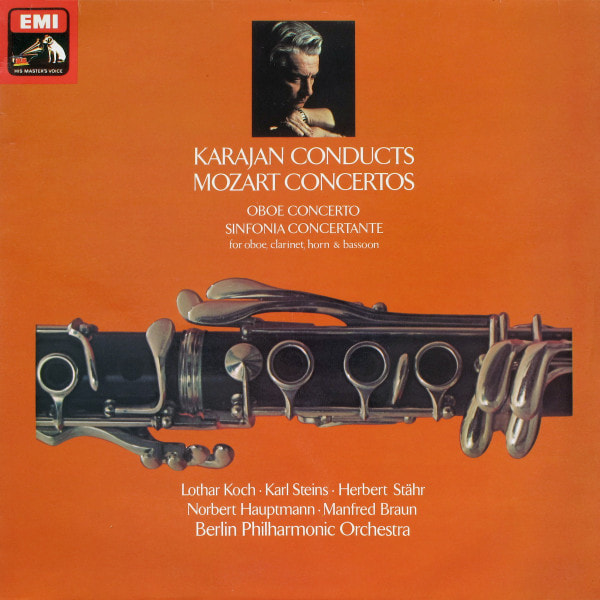
And hilarious:
2 Likes
I have now replaced my old version with this! 
The provenance (thanks, discogs.com) of these 12 tracks are, in order:
From ASD 2916
From ASD 2916
From ASD 2916
From ASD 2916
From ASD 2916
From ASD 2916
From ASD 3191
From ASD 3191
From ASD 3191
From SLS 809
From SLS 809
From SLS 809
From SLS 809
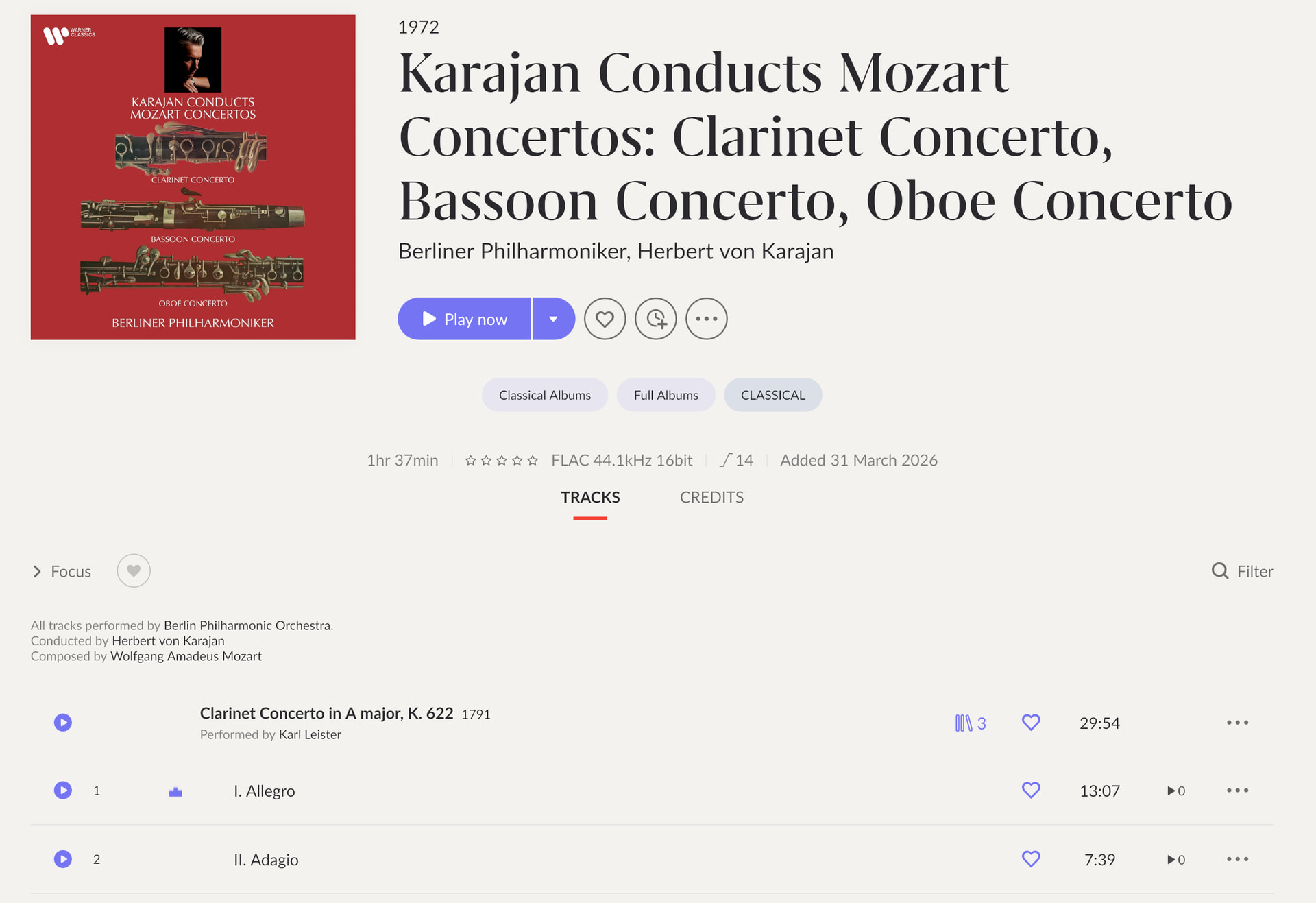
I highly recommend Leister’s interpretation; it is unparalleled in my estimation. It is what I was encouraged to emulate as a young clarinetist close to 45 years ago now 
4 Likes
My favorite version 

With my favorite baroque oboe player Xenia Löffler.
2 Likes
Lucile Boulanger is sooooo good!

2 Likes
I noticed on Qobuz that Leister recorded the Mozart concerto at least two other times. Have you compared his EMI recording with any of his others?
This one is with Rafael Kubelik / Berlin Philharmonic on Deutsche Grammophon. The album on Qobuz is from a 1992 reissue.

Discogs shows that the original release was in 1968 (actually earlier than Leister’s 1972 EMI recording with Karajan).

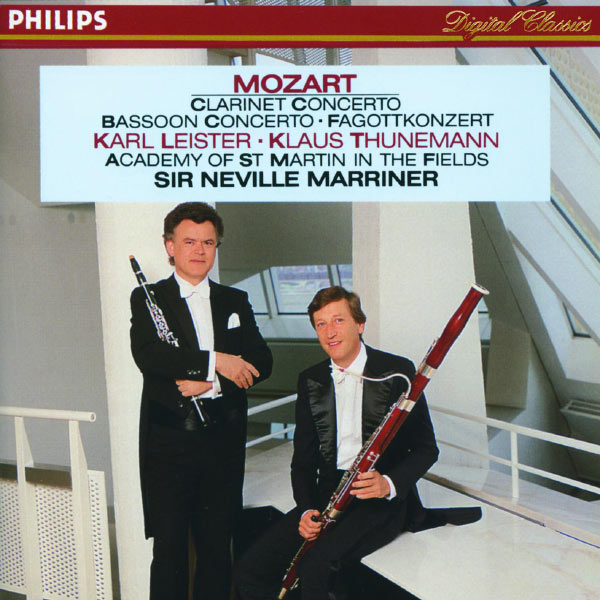
Qobuz also has this one with Neville Marriner / Academy of St. Martin in the Fields, orginally released on Philips in 1998.
2 Likes
That 1968 date makes some sense - thanks. I will listen, research, and adjust my dates accordingly. Yes, I’ve listened to the later recordings, but I was conditioned to appreciate this one that it’s difficult for me!
1 Like
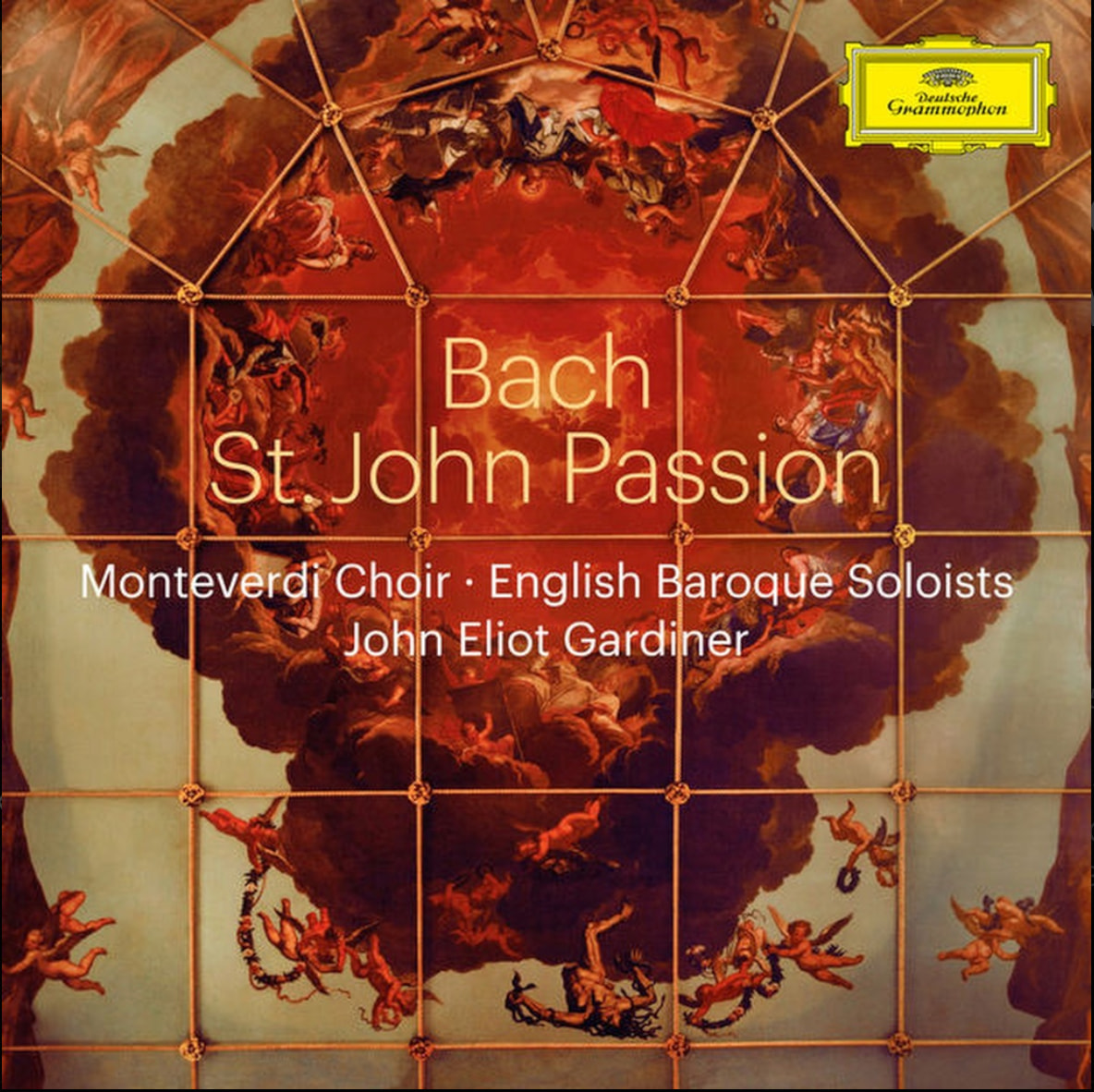
Every Good Friday, I listen to both the St. John Passion and St. Matthew Passion. These are the versions for today;
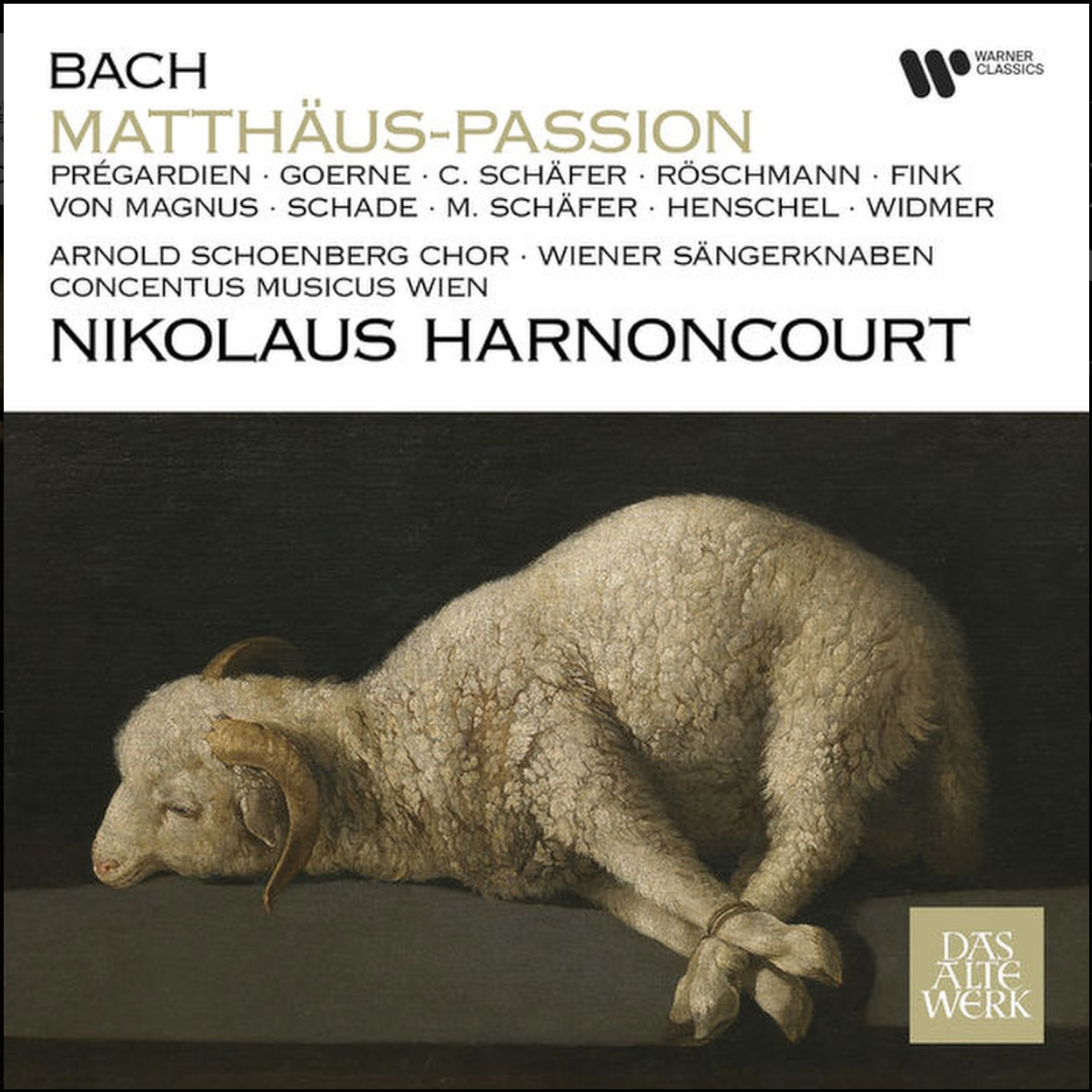
This version features my favourite mezzo-soprano, Bernarda Fink.
I think that she has a wonderful voice, and her rendition of Erbarme dich is absolutely superb to my ears.
3 Likes
Just added this to my listening queue;
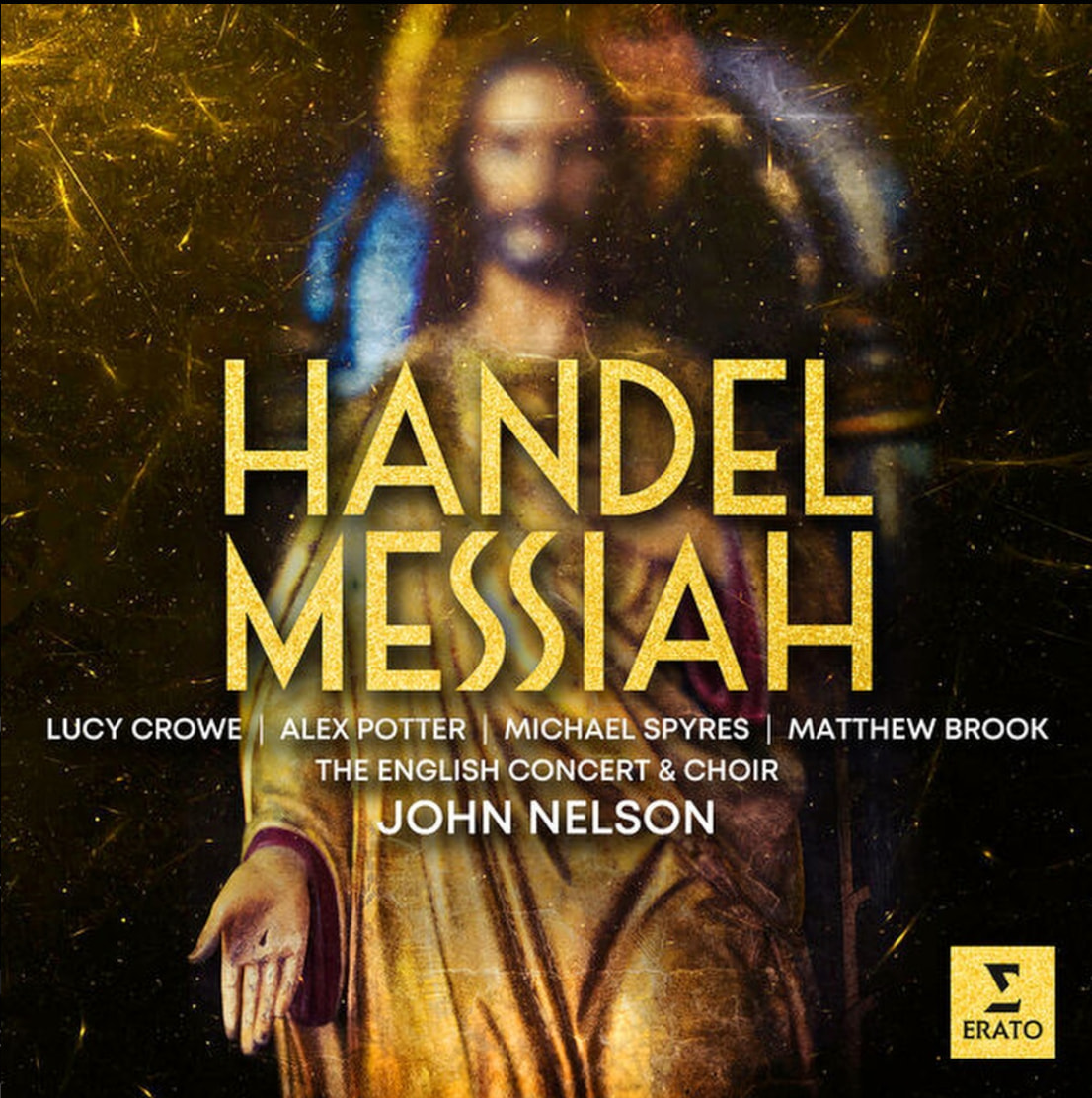
IMO, an excellent performance under the baton of John Nelson, with great RQ/SQ by Erato.
2 Likes

I have been tremendously enjoying a recent recording of renaissance laude by Le Miroir de Musique. Polyphonic laude of the 15th century, in contrast to the usual Franco-Flemish counterpoint of the time, are often homo rhythmic, in Italian, and sometimes contrafacta of popular pieces of the day using devotional text.
Beautifully sung and played.

7 Likes
Splendid sleuthing and recommendation @DDPS. Listening now and greatly enjoying it. Thank you for the clarifying information. Will also listen to Anthony Pays/Christopher Hogwood/Academy of Ancient Music to hear what “too much tongue” sounds like. Thank you for the inside baseball.
1 Like
Have been listening to Francis Poulenc piano works as they seemed in the air. Two performers scheduled for the Chopin Society of Minnesota, Charles Richard-Hamlin and Paul Lewis are including works by Poulenc in their concerts. Sadly, Mr. Richard-Hamelin will not be coming as his visa from Canada was not approved by US. Thank goodness we’re being kept safe from subversive Canadian (surely an oxymoron) pianism.
Greatly enjoyed Pascal Rogé’s traversal of Poulenc’s piano works in three recordings. Had expected something a bit more lightweight, but these are excellent compositions. Also found Eric Le Sage and Frank Braley with Stéphane Denève/Orchestre Philharmonique de Liege Concertos pour piano & 2 pianos – Aubade a delight to the auditory cortex. Lastly, for great pianistic accompaniment on Poulenc’s compositions, consider listening to Alexandre Tharaud with Françoise Groben, Graf Mouja and Ronald Van Spaendonck’s Violin, Clarinet and Cello sonatas.
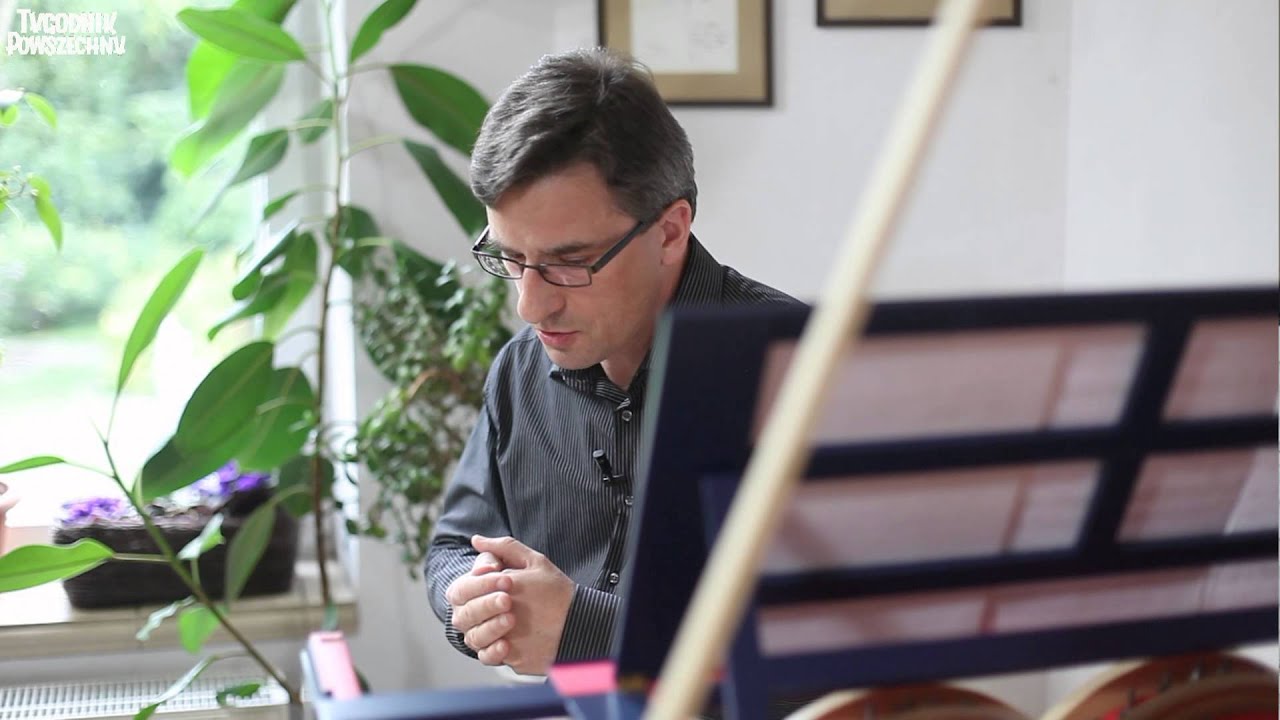
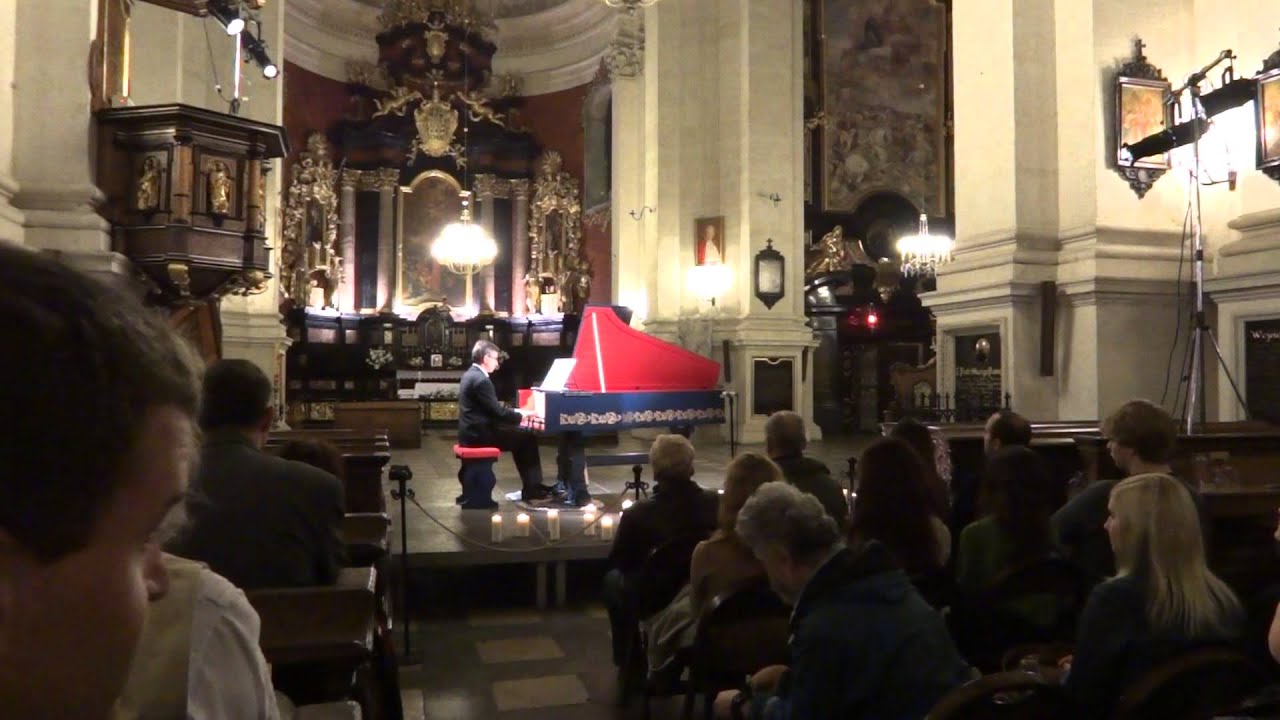
On a completely different tack: When I was young, I contracted a disease, voracious reading, that has had the serious side effect of leading me to some curious, but non-trending, social media dead-ends. An example I thought some of you might enjoy came from reading The Piano-Forte: Its History Traced to the Great Exhibition of 1851 by Rosamond E. M. Harding. In it, I discovered that one of several keyboard precursors attempting to bring more dynamics into the music was an instrument drawn up initially by Leonardo da Vinci and first built by Hans Haydn/Haiden/Hyden from Nurenberg in 1575. It used a ring-bow mechanism to provide tremolo and dynamics. Mr. Haydn (? related to Franz Josef) called it a Geigenwerk.
https://www.thehistoryblog.com/archives/27930
For some information on a contemporary “intuitive” reconstruction and particular go (aka specific mechanism of action) of this remarkable instrument, please see the builder’s
and for a performance on the same instrument please have a view/listen to
Feed your FOMO (I have LOMO, a love of missing out…, on intemperate/ignorant/agenda-motivated nonsense), your curiosity about the fascinating musical backwaters that only reading will take you to, or ignore. This reading disease, I really need help. I might continue to learn and where will that lead? Elitism? Pretentiousness? Knowledge? Satisfied curiosity? Joy in others’ inventiveness/creativity? A desire to share (totally boring?) information? All terrible outcomes, and yet I am perversely “happy”.
4 Likes
Something spiritual and relieving:
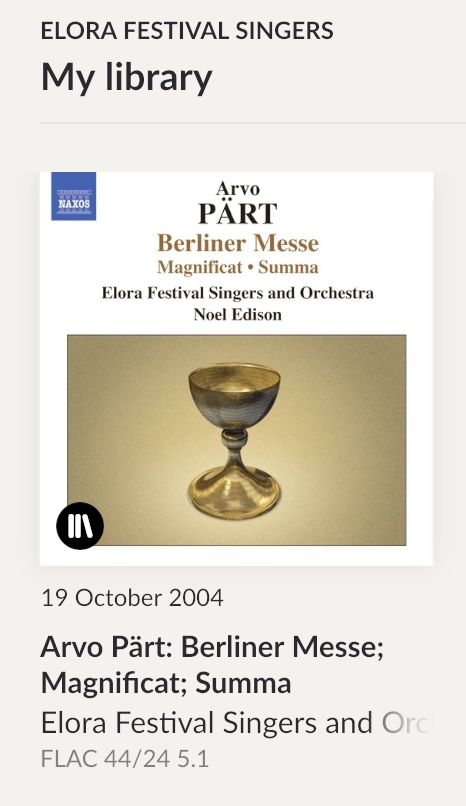
In addition to his ´Berlin Mass´, an interesting selection of sacred choir compositions by Arvo Pärt, my personal favorite being the ´De Profundis´, involving some percussion instruments. Although I usually prefer pro choirs, particularly radio ones, the natural singing of the Elora Festival Choir in my opinion is a perfect match to the reminiscence of ancient music that is present in many parts of Pärt´s late works.
3 Likes
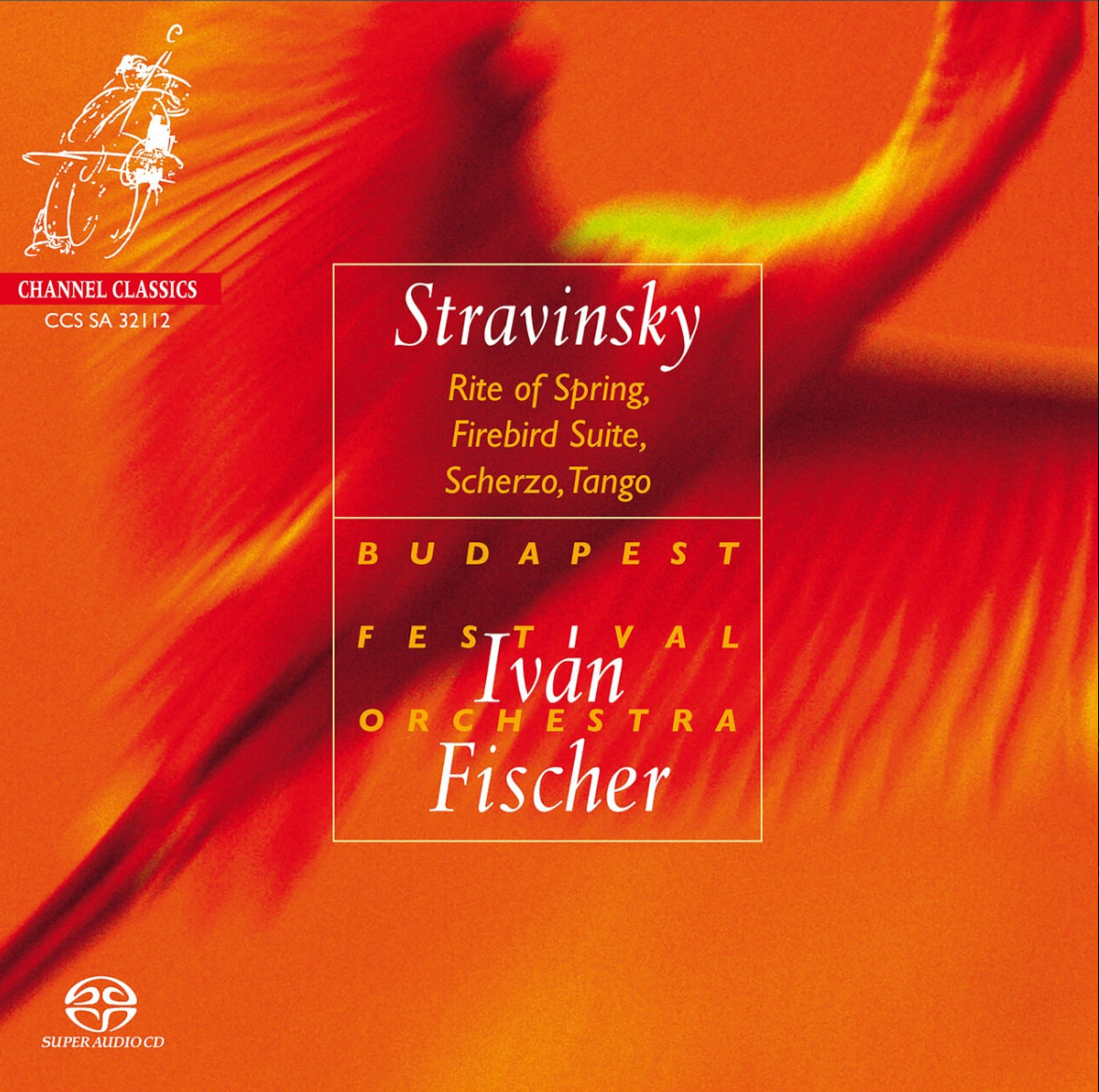
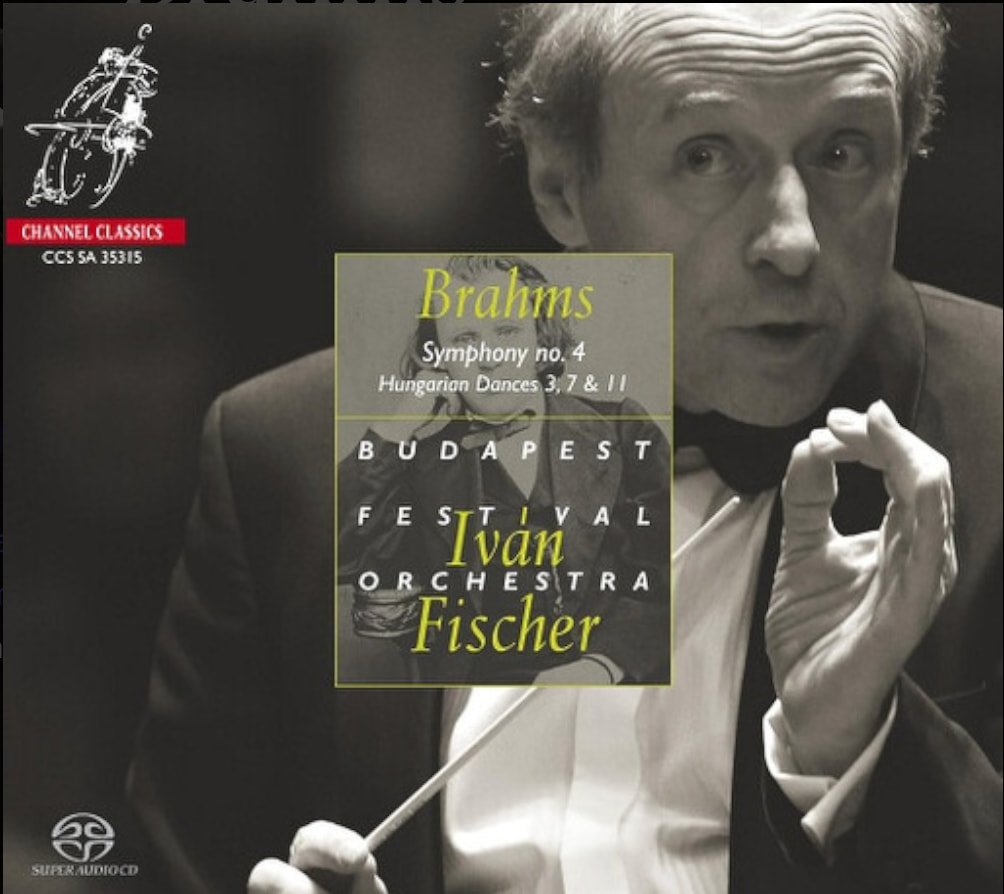
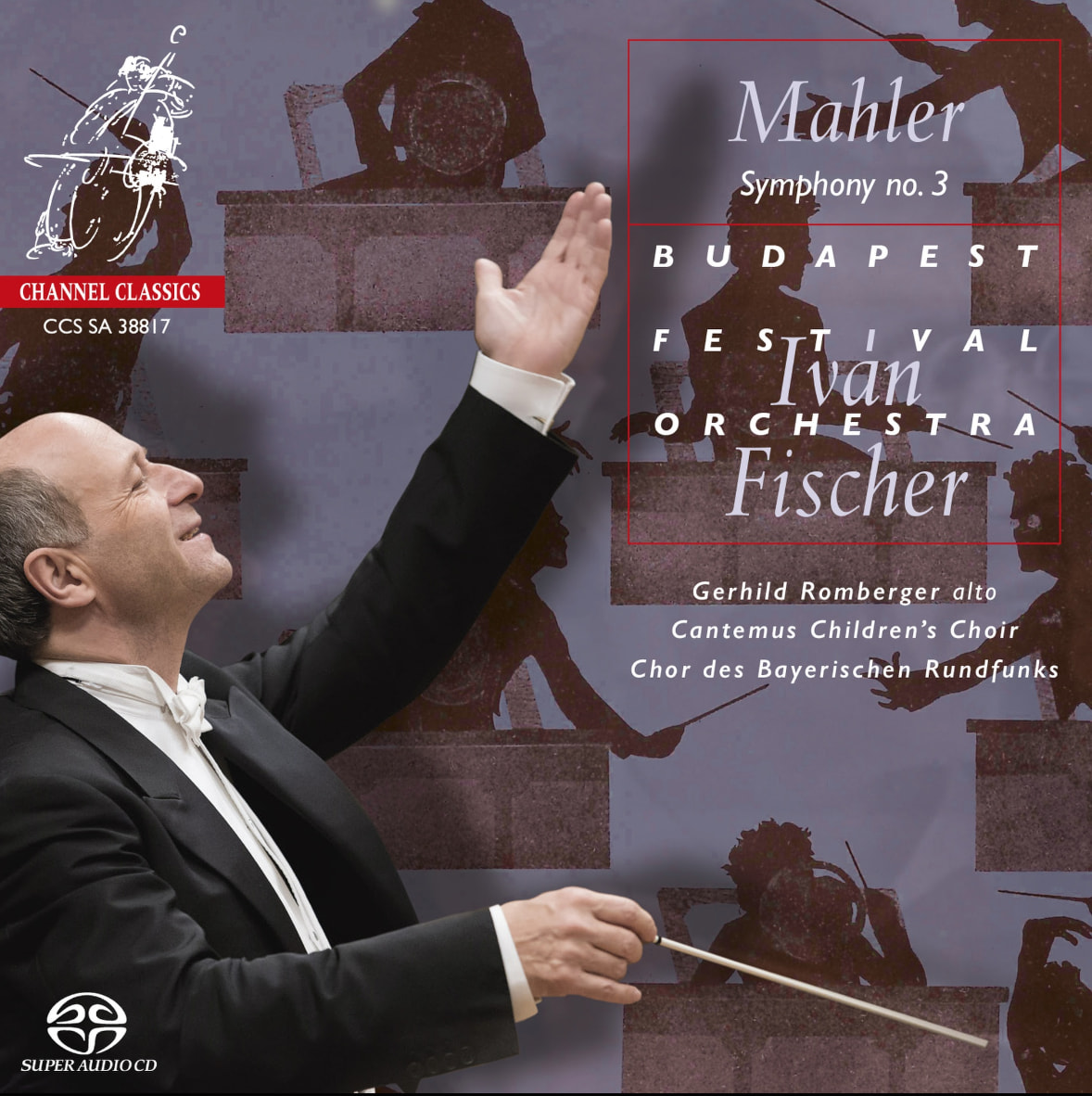
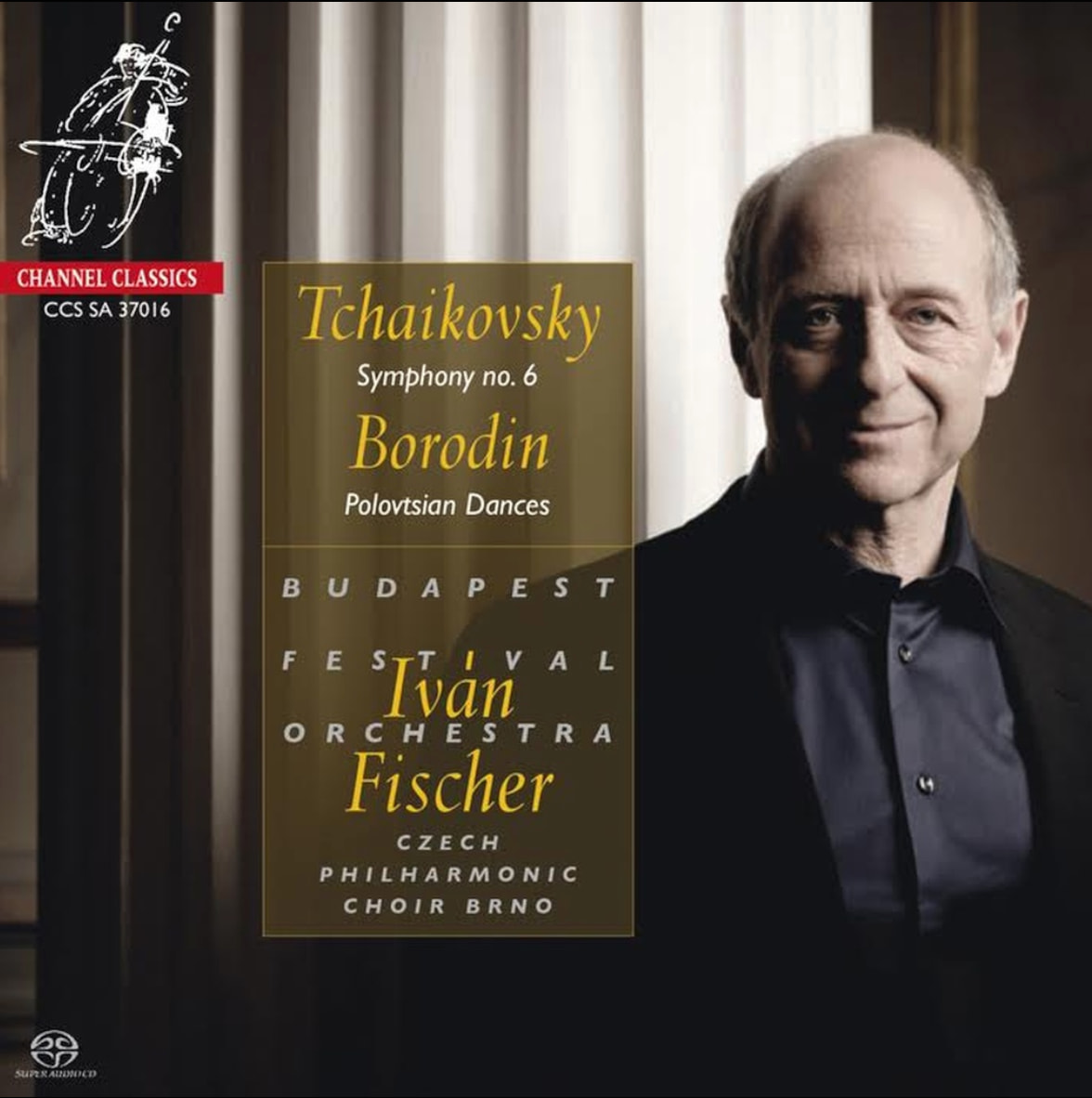
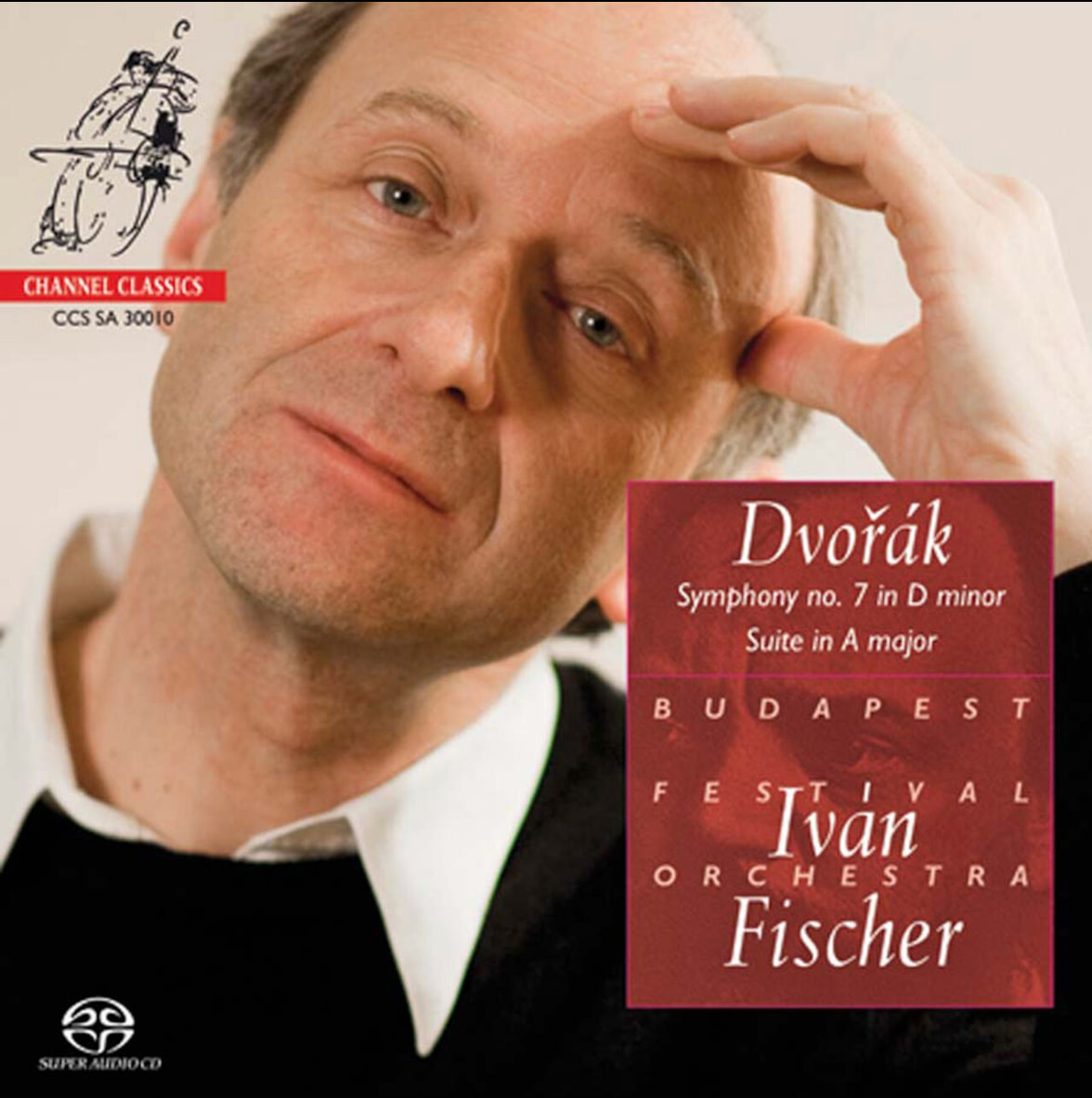
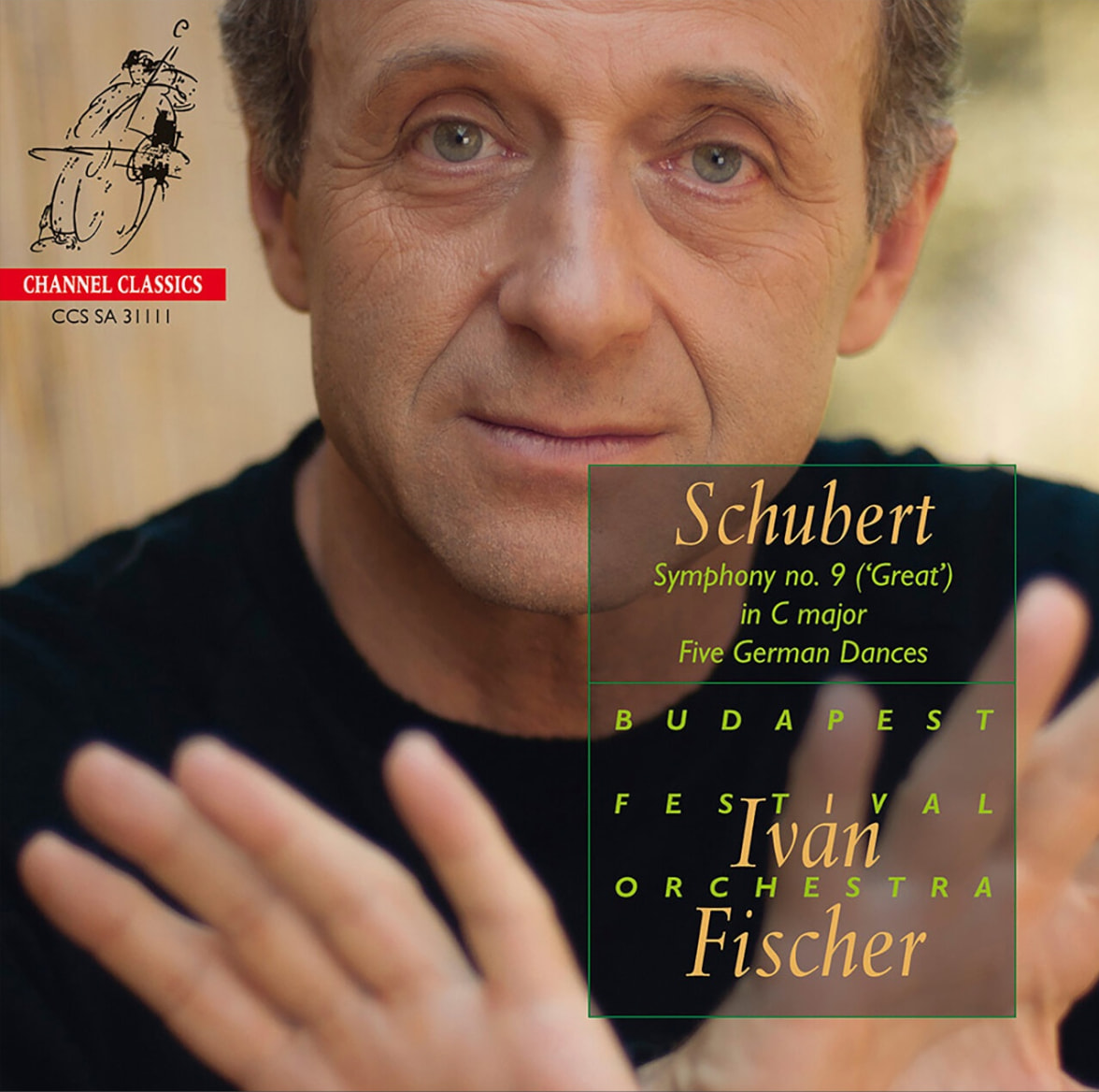
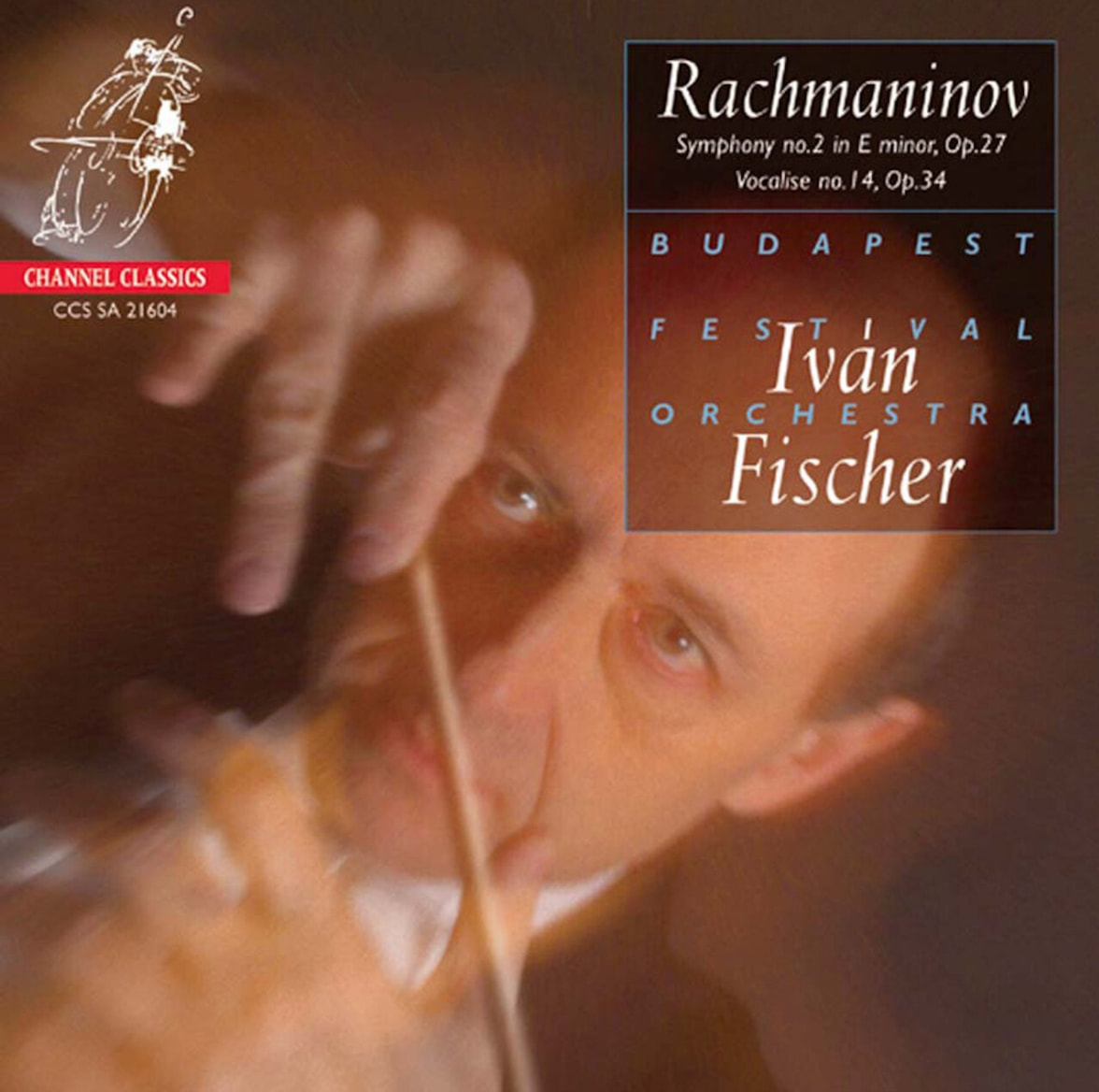
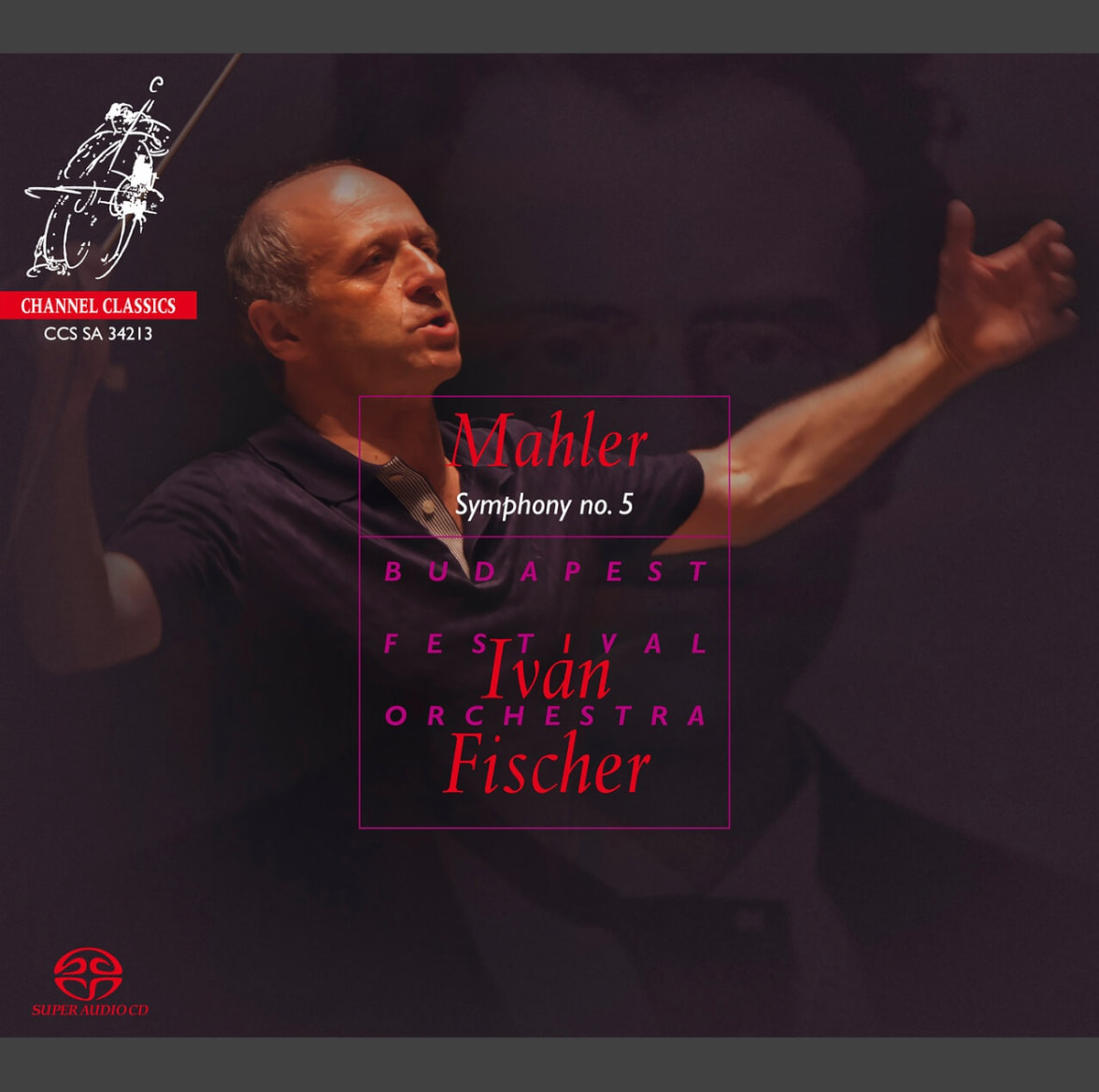
I am a big fan of the Budapest Festival Orchestra under the baton of Ivan Fischer. I’m also a big fan of Channel Classics, who make stellar recordings (usually in DSD). This is an assortment of some of my favourite works from my library;
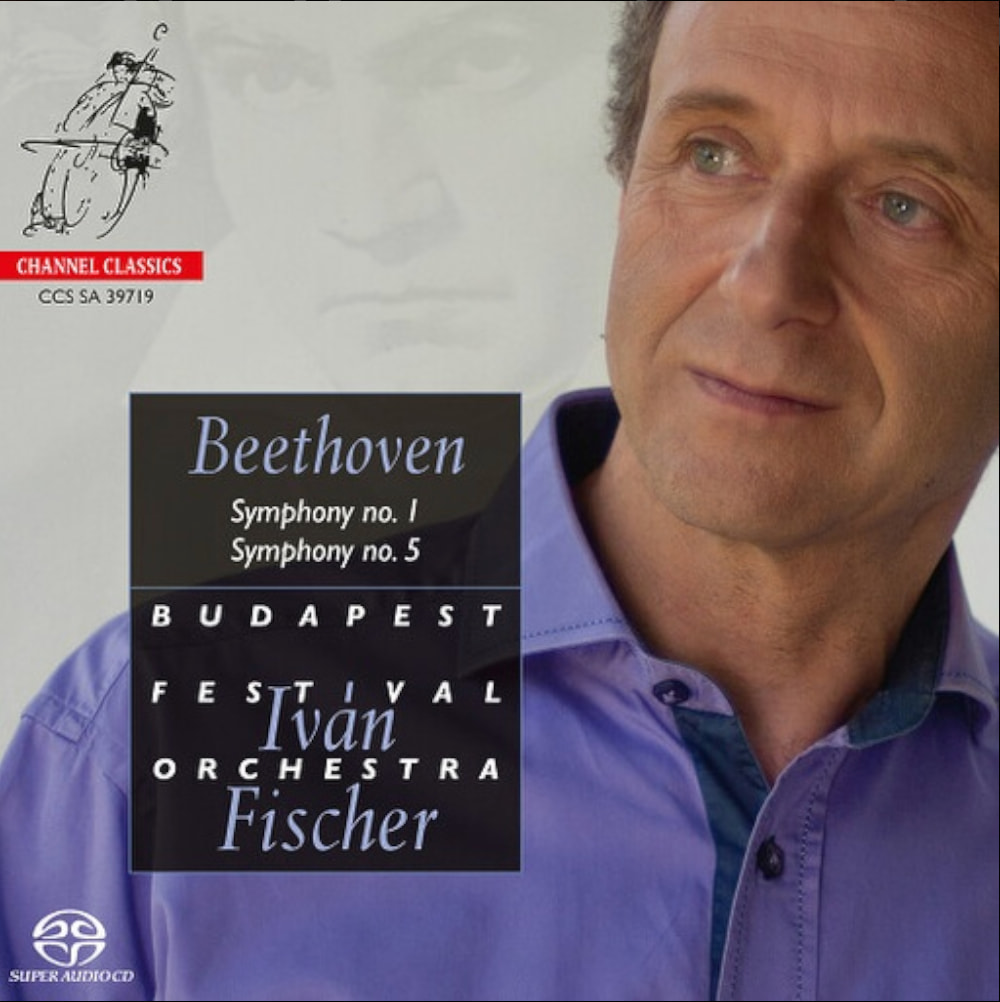
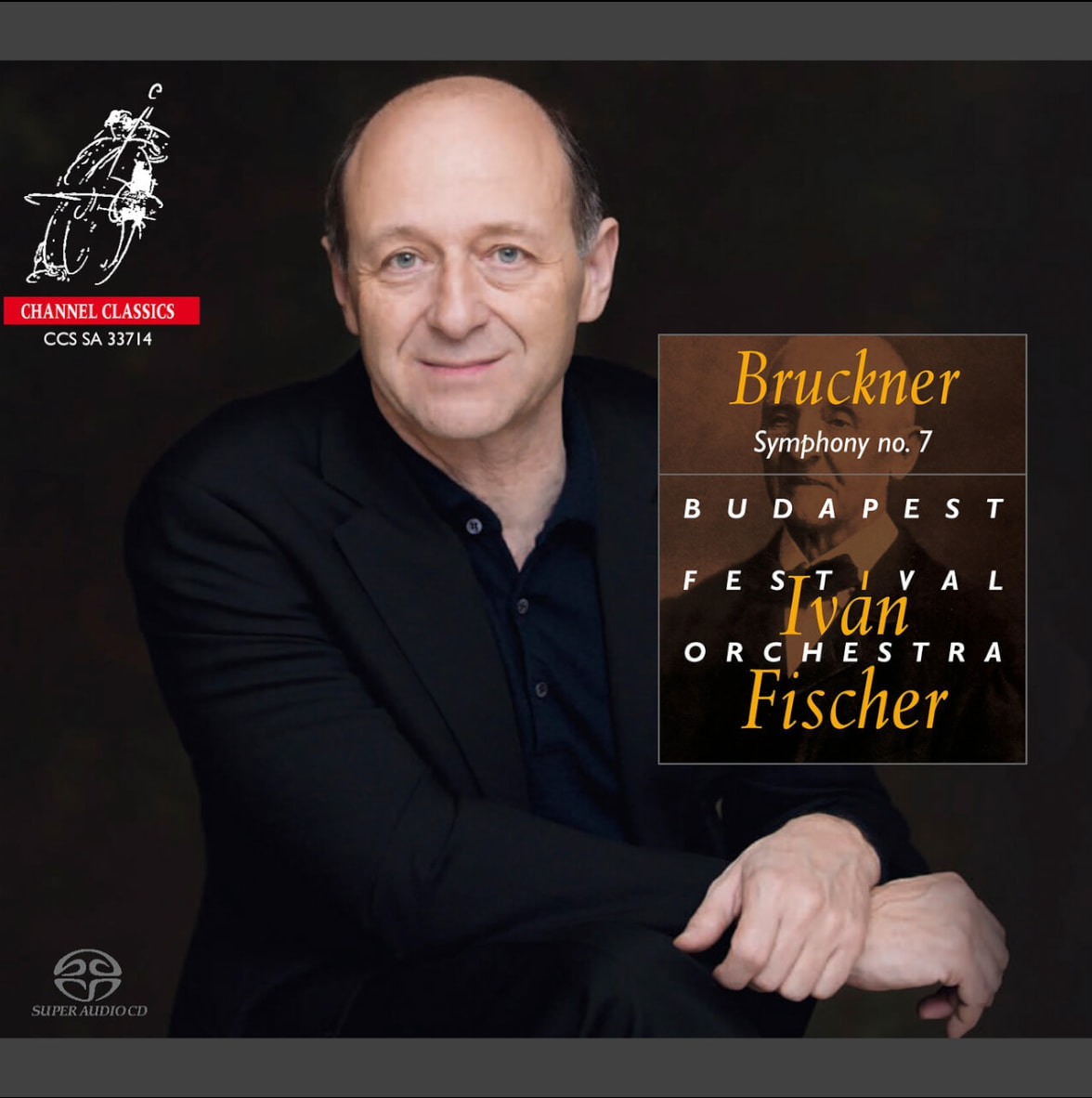
3 Likes
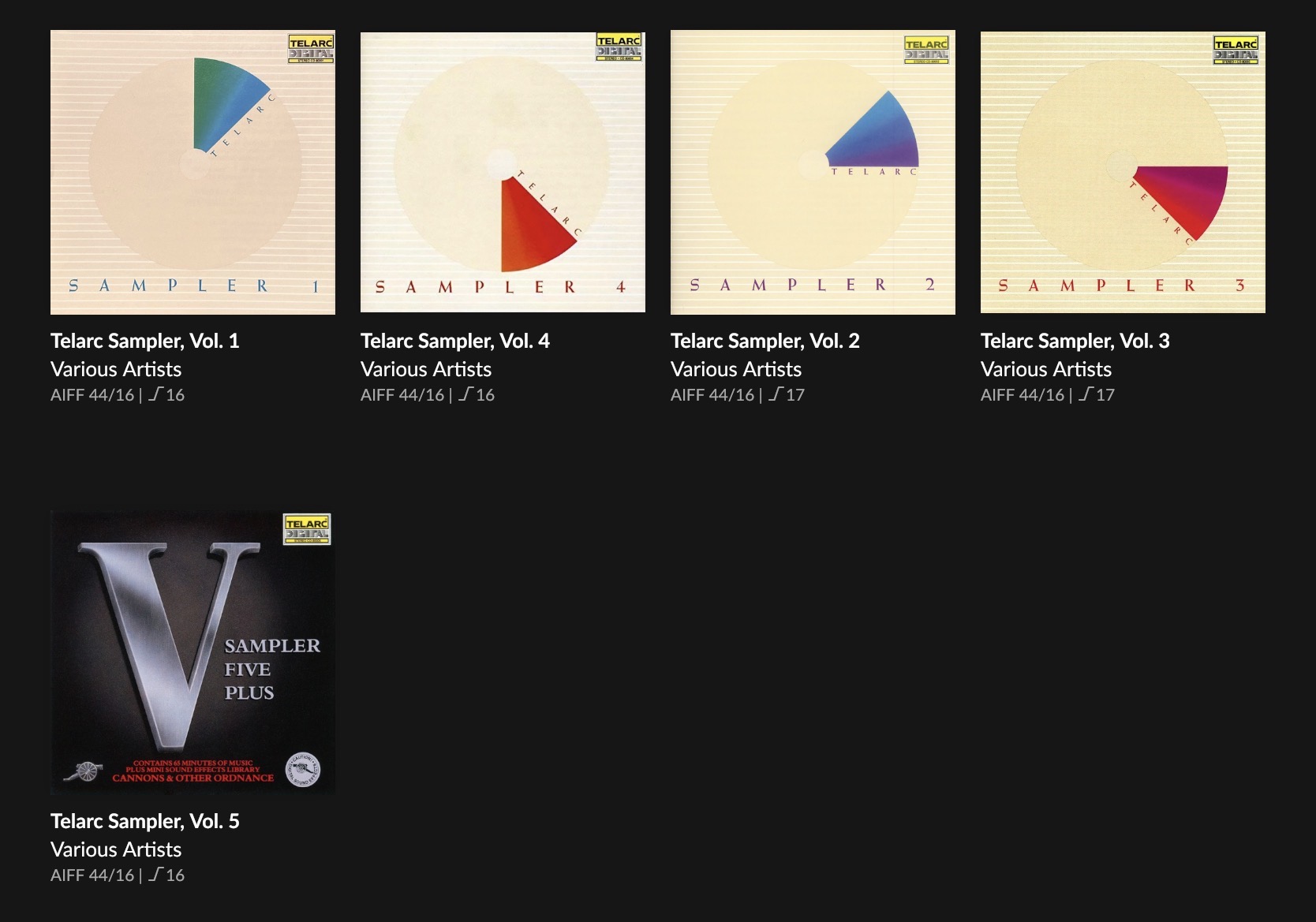
While antiquing this weekend, I unexpectedly completed my collection of 80s era Telarc samplers by adding number V for a mere $1.
4 Likes