Now the quote from NativeDSD Help makes more logic.
In 2 words what do you mean by removing power from usb? Thanks
Now the quote from NativeDSD Help makes more logic.
In 2 words what do you mean by removing power from usb? Thanks
You know that Combo384 by Amanero is not the DAC, it is the USB Reciever chip?
According to the official website description, looks Combo384 is both USB and DSD adapter.
OEM Combo384 Module - USB class 2 to I2S 32bit and DSD output Adapter
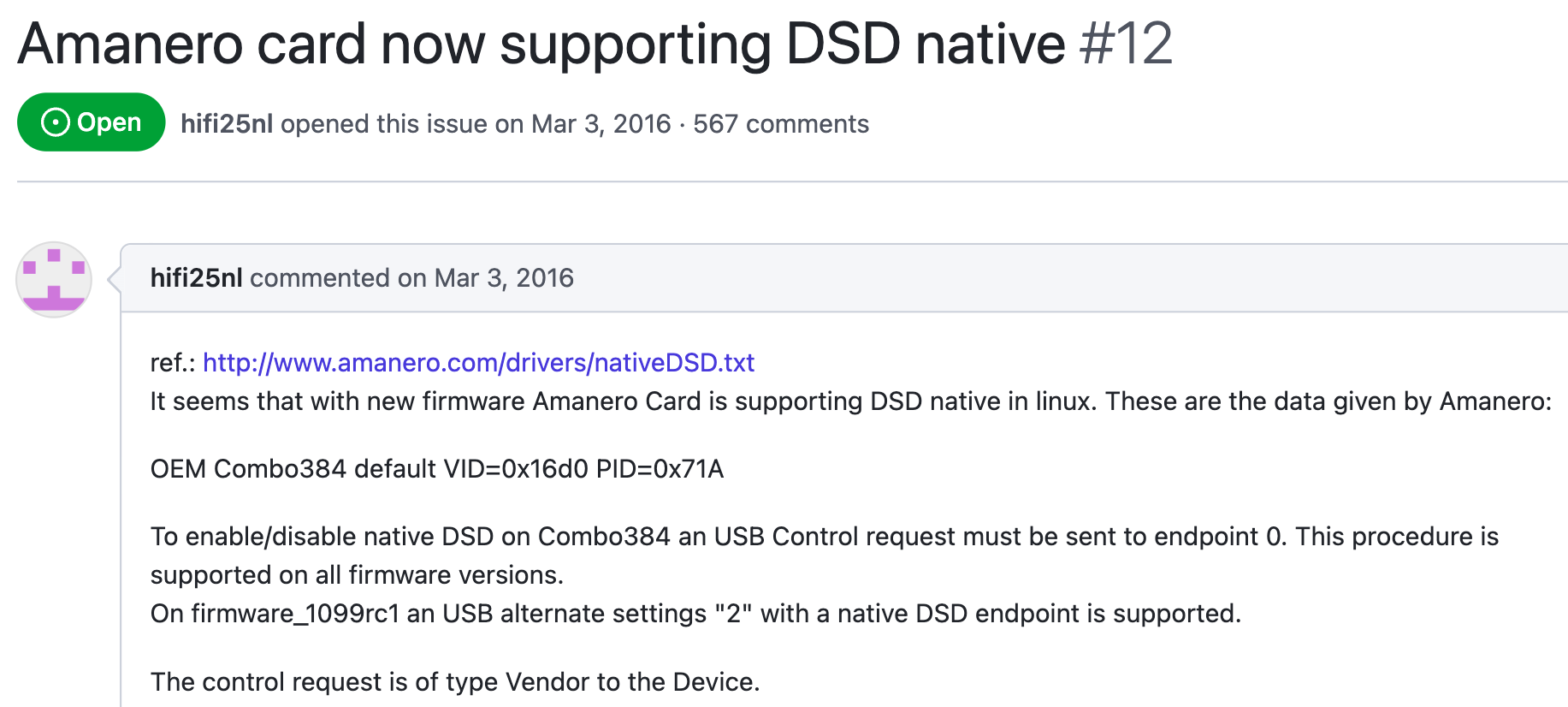
I’ve searched github discussion about Combo384, looks this adapter can support native DSD in linux if it uses the correct firmware.
Now the question is, shall I update the firmware when it has the risk to make the device unusable …
I do not hear so much of a difference between those high DSD rates (or Native vs DoP) so I would not risk. But you can get an windows and try to see if going higher is what you want.
@Traian_Boldea Thank you for sharing your successful experience. May I ask what “volumio” is?
It is a linux operating system designed for audio. It is free with some none working features (you have to pay for them: tidal connect and others). But roon bridge plugin is free. I think with just a username and no paying, you can use 3 installed volumio in the same time. They started to do hardware also. Being light I did install that on some very old computers (that would be eaten by the trash can).
Also I think with some knowledge can be customised. My iFi zen stream uses a custom volumio. No fee for tidal connect and has NAA (the NAA it is the one that I would like to know how to install on volumio, but it did work on ubuntu)
That’s a challenge! (two words!) 
USB cables have two power conductors and a balanced data interface (also two conductors).
The Amanero Combo384 does not need power through the USB cable, and this allows the cable to only transfer the data (digital audio in it’s USB packetized form).
I think that made a bigger improvement to the resulting sound quality than supplying the media in a higher bit rate (whether DSD or PCM).
So you did not modify the usb cable? If I can put cleary in words… If my DAC has his own power (to Outlet) the USB connected to the dac still has power on it? Or the 4 conductors can be used to transfer data if no power is required? Is there any gain in modifying the cable? (I guess not since there are not already modified cables for sale but it was just an idea).
Way to technical for me  (4 words)
Ha, got me!
My basis for these opinions is the fact that i use a SOtM txUSB Ultra PCIe card in my server to feed one of my DAC’s. This card is powered externally, from a good quality power supply.
This card has got a switch, allowing me to turn off power to the USB DAC if it’s receiver allows this. I did this while using my Nagra HD DAC and experienced a useful improvement in musical satisfaction!
So, hence my advice, try it if your DAC has a USB receiver chipset which does not require power. And there are USB cables where power is not connected as well as ones where the power and data is supplied from from the host through two different connectors, allowing choice.
Thanks, in my next pc build I will go for a card. I’ll bookmark this variation.
Don’t know what he meant but there are motherboards that allow you to turn off power on usb ports and just have data only.
Thanks
Turn off from the pci usb card or from motherbord. I’ll have to remember that.
Now I’m going to do two things to improve the native output quality in Linux.
I have found Snake-Oil os = some linux also for audio, manageable from a browser. I see that you can enable it as roon bridge and Roon Server. In the forum there looks like you can add Combo384 to the kernel to be able to play native dsd.
https://www.snakeoil-os.net/wiki/Advance-topics/native-dsd-support
You are welcome
Still firmware upgrade (forgot to mention that)
I might try when I have more time as I have seen HQP NAA on it. Ubuntu NAA is only DoP to CA 200M and looks like I cannot manage how to uptake the kernel yet. And Volumio is Native DSD but I dunno how to put NAA in there.
You need an Amanero firmware no earlier than 2006be10. Then you need to find out the correct CPLD for your DAC, otherwise you’ll have left right channel swapped for DSD. There is also a risk of noise or other issues during format transitions. I may have missed some earlier posts - what is the DAC you are using? Something like LKS or Audio-gd?
The order is reversed.
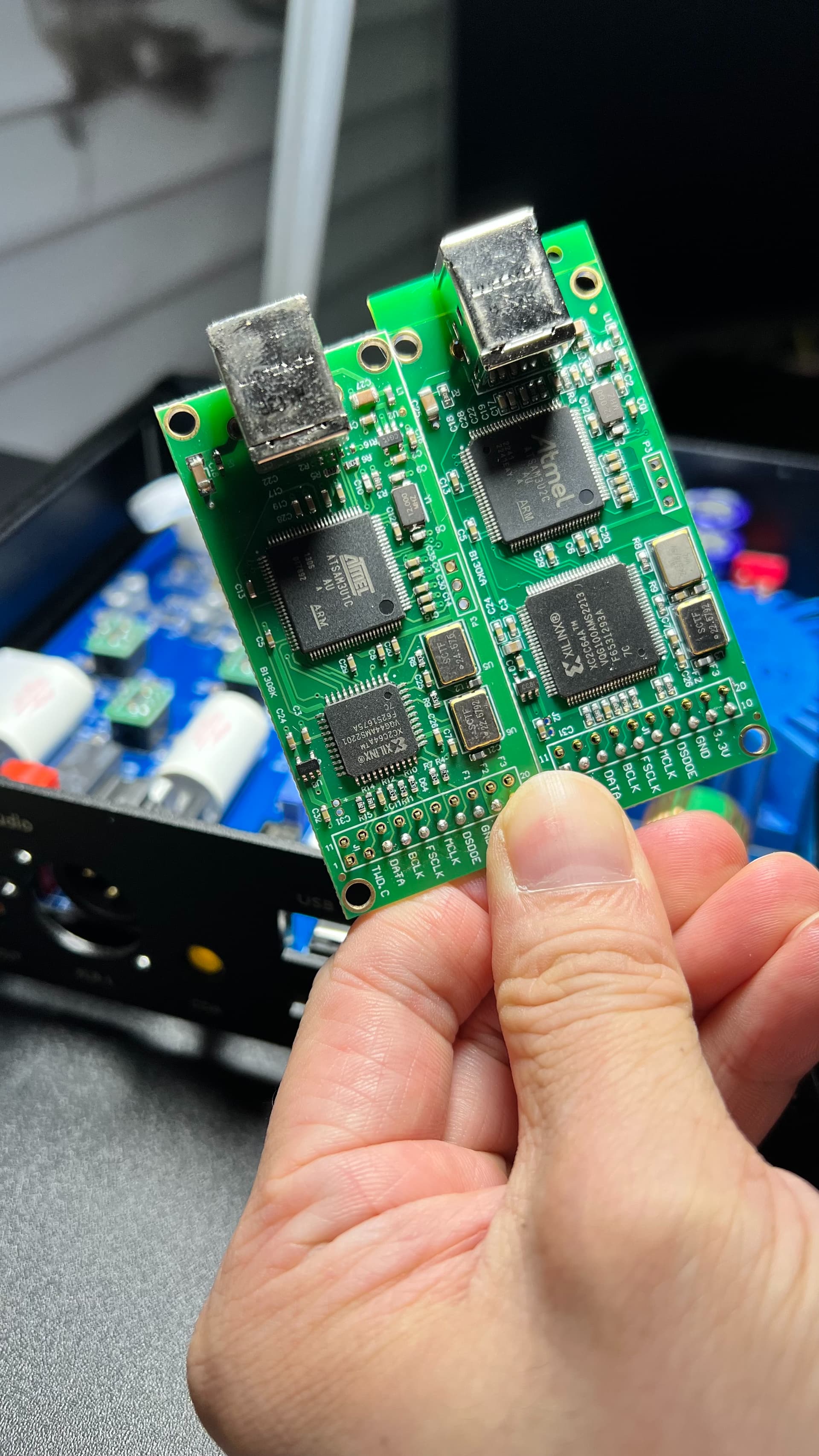
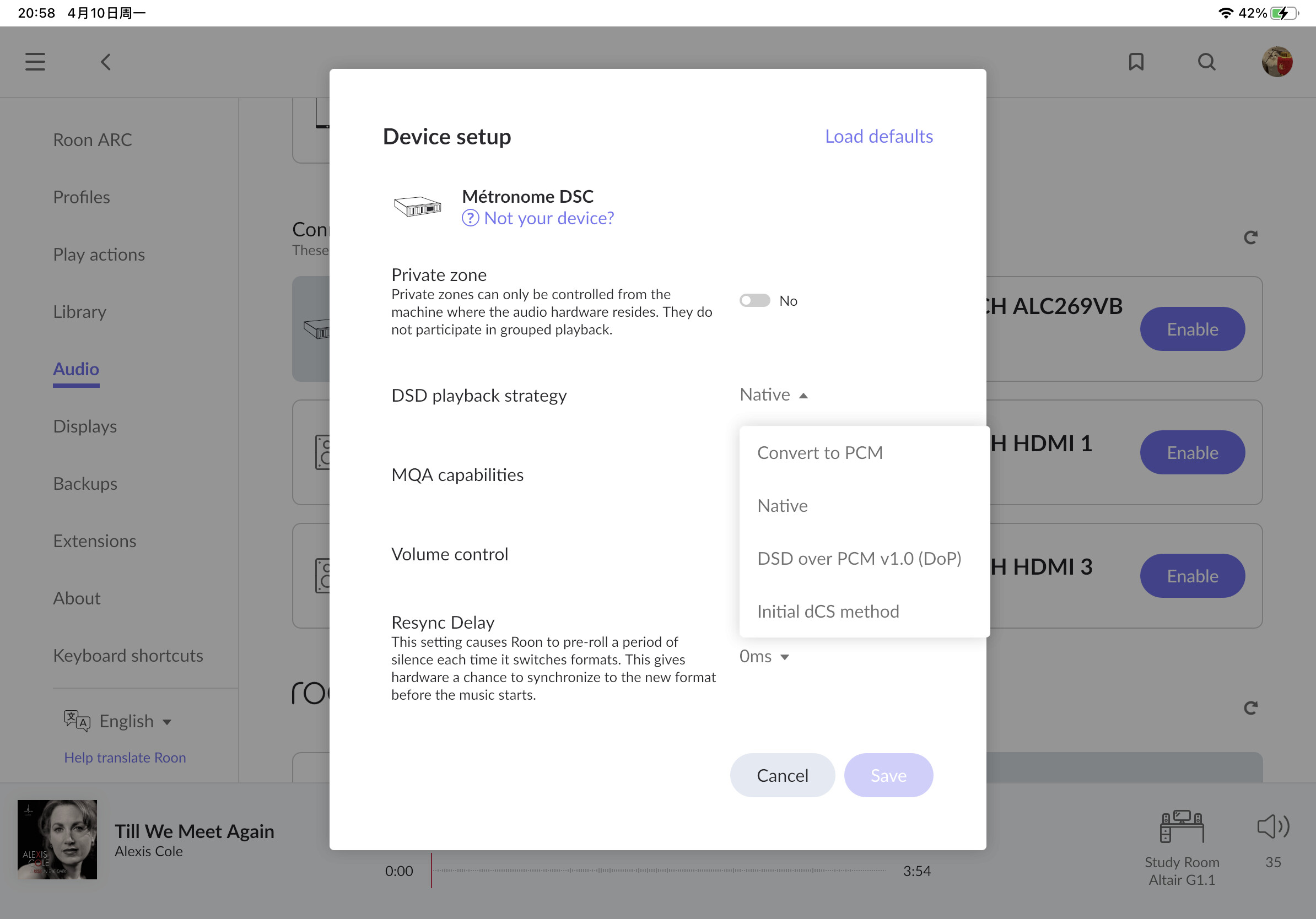
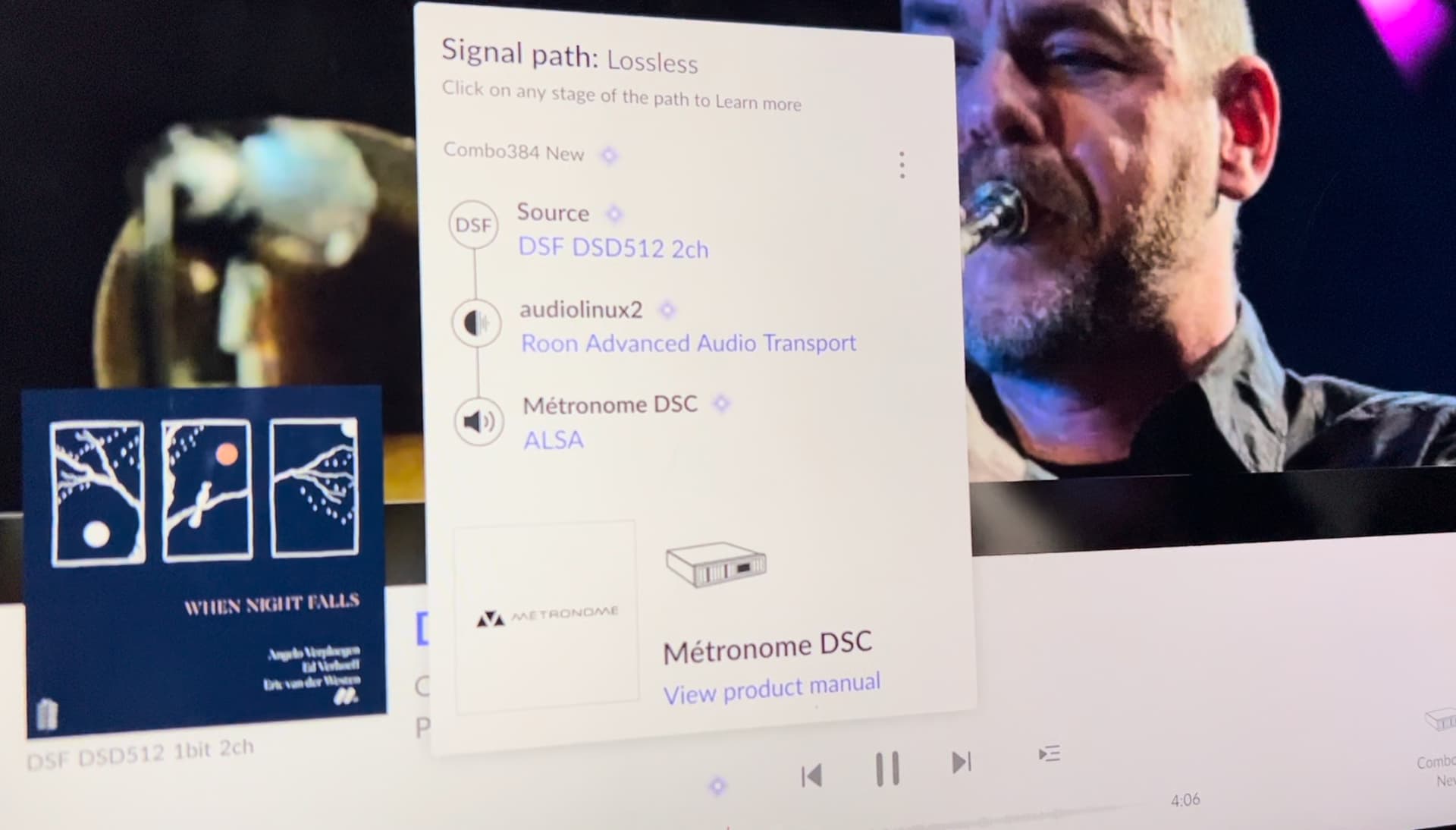
Dear all, I’ve solved the problem. Now native comes back  in Linux!
=== Changed the combo384 to the new one ===
===Playing via the native output ===
Glad to hear that.
Enjoy
@Traian_Boldea Thank you!