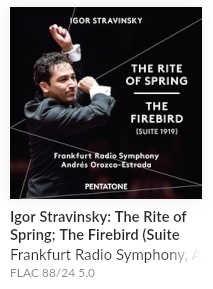
Speaking of Stravinsky´s ´Sacre´, I tremendously enjoyed this recording:
2 Likes
Arturo Toscanini is a sublime conductor, up with the very best. These recordings should be on everybody’s (virtual) shelves.
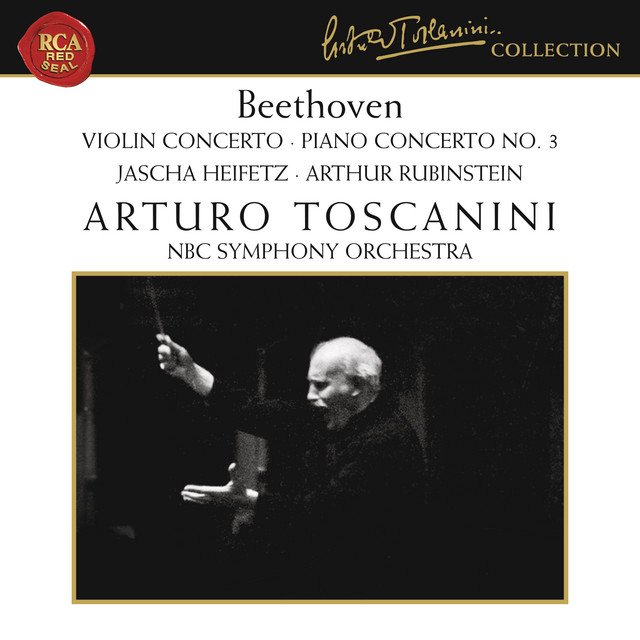
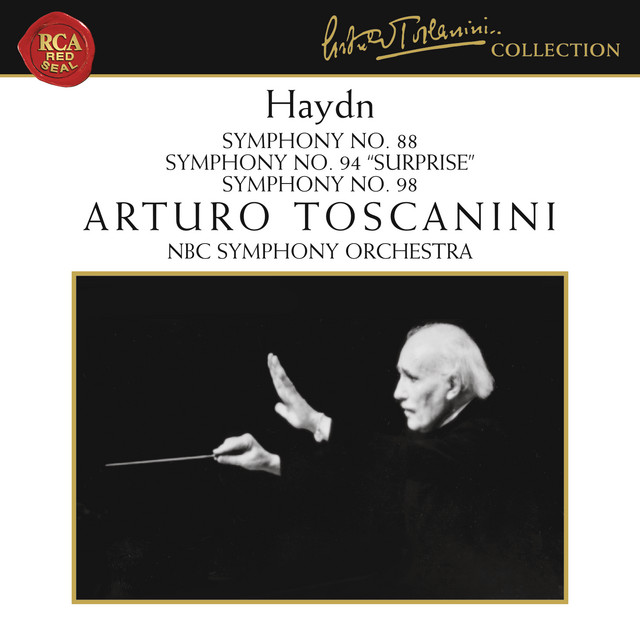

However, the sound quality leaves so much to be desired that some might find them unbearable. Perhaps AI might ultimately come up with a solution? In the meantime, can others recommend cleaner Toscanini recordings?
2 Likes
You can try the ones from Pristine Classical. I always like all their recordings, including the ones with Toscanini.
4 Likes
Continuing through the newly sound engineered Decca Dorati/Philharmonia Hungarica Haydn. Still finding it wondrous as I get to the greater instrumentation in the Haydn Paris Symphonies (82-87).
Appreciate @Bauer bringing the Dorati/Minneapolis Symphony Orchestra Rimsky-Korsakov to the group’s attention. Wonderful recording.
Took a break from this wonderful listening experience to hear some Amalie Stalheim performed Britten cello suites recommended by Gramophone. Astonishing to this listener to hear such an adventuresome, occasionally (and delightfully) spiky work by this composer. And Ms. Stalheim’s nuanced rendition is splendid. Also had a listen to Peter Wispelway’s and Truls Mørk’s versions of the same pieces. Both also wonderful and compelling.
Also recommended by Gramophone is Alexander Malofeev’s first solo 2 h and some change recording, Forgotten Melodies. Some of the works I found a bit precious, particularly the first few Mikhail Glinka composed pieces. Some of the decoration seemed affected, almost Windham Hillish. Quite pretty, but not my samovar cuppa. The Medtner and Rachmaninov were superbly played/recorded. Well worth a listen. Jed Distler was over the moon for the Rach Piano sonata No. 2 in the March Gramophone. I particularly enjoyed the Études-Tableaux. Looking forward to more by this artist. Superb first solo recording.
2 Likes
Now to something completely different:
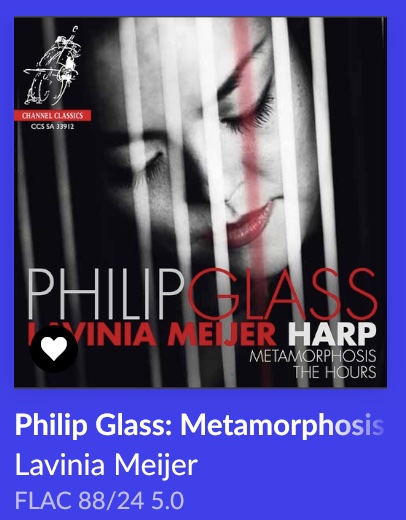
Famous compositions by Philip Glass arranged for solo harp and wonderfully executed by Korean-Dutch virtuoso Lavinia Meijer. While the Opening Glassworks and Metamorphosis are pieces one might expect here, the true gem of this album is IMHO the suite compiled from the film score ´The hours´. Sounds wonderfully intimate.
3 Likes
I still have the Dorati Haydn symphonies on LP. Bought second hand about 40 years ago. Makes some serious doorstops! Although the CD remasters were better in most regards - LPs were never the perfect medium for classical music. I am also curious about the latest remasters.
1 Like
I love the pace and aggression in many of Toscanini’s recordings. He was ahead of his time in so many ways. However, as you say, the typical recording quality leaves a lot to be desired. Such as shame as his later recordings almost overlapped with the new recording techniques introduced by Decca, Mercury and RCA in the late 1950s. Unfortunately virtually all of his recordings are boxy, distorted and painful to listen to, at least to my ageing ears. Perhaps, as you say, AI might be the future. Imagine the skills of Wilma Cozart Fine and the Mercury team applied to the Toscanini legacy! We can but dream.
1 Like
The original Mercury CD of the same performance is also very impressive. Robert and Wilma Cozart Fine were an amazingly talented recording team. Probably only the Decca team (John Culshaw and his colleagues) were reaching the same high standards in the late 1950s.
1 Like
You must need a fork truck or serious gym work 
1 Like
Sometimes there are sacred music recordings that make you feel light and joyful, here is an example:
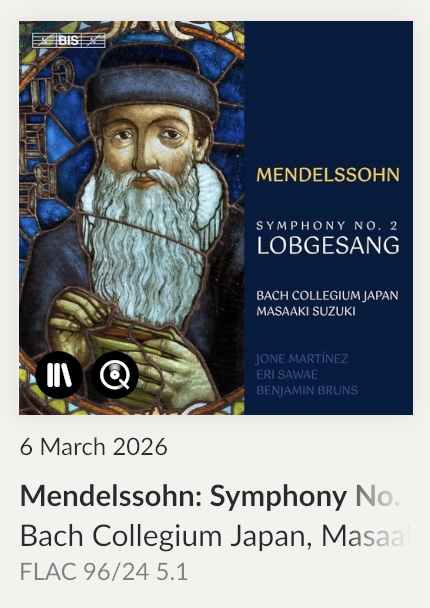
Mendelssohn #2 is not an easy one, as it defies any categorization or traditional structure. In musicology, it is often referred to as the second symphonic composition in history involving a choir (after Beethoven´s #9). The opening movement is entitled sinfonia, and it is just that, like an extended movement of a symphony introducing a bunch of themes. Followed by a rather random series of choruses, arias and ensembles, mostly based on psalter texts. So the formal structure might read like a cantata, but it does not sound like one. It is just an overdose of praising the Lord, an average 70 minutes long.
In Suzuki´s reading, it feels not long at all. Rather joyful, light, entertaining. That is particularly true to all parts involving the soloists. Tenor Benjamin Bruns stands out, hearing him is just a delight (heard him live some weeks ago, by far the best Mozart tenor I have ever experienced).
One might criticize Suzuki for the instrumentation and handling of the choir. The orchestra sounds overly lean, the choir rather decent, maybe too decent at times, accompanied by a thundering organ. Except for the latter, the whole thing sounds very Bach-like, not only the choral-style ´Nun danket alle Gott´.
3 Likes
An ongoing fortepiano adventure, part of a more general keyboard, plectrum/hammer, string, soundboard instrument exploration, led me to this pretty wonderful YouTube video (be forewarned, it is an hour, but to this viewer, well worth it, if you love piano and want to understand the instruments the classical composers composed for).
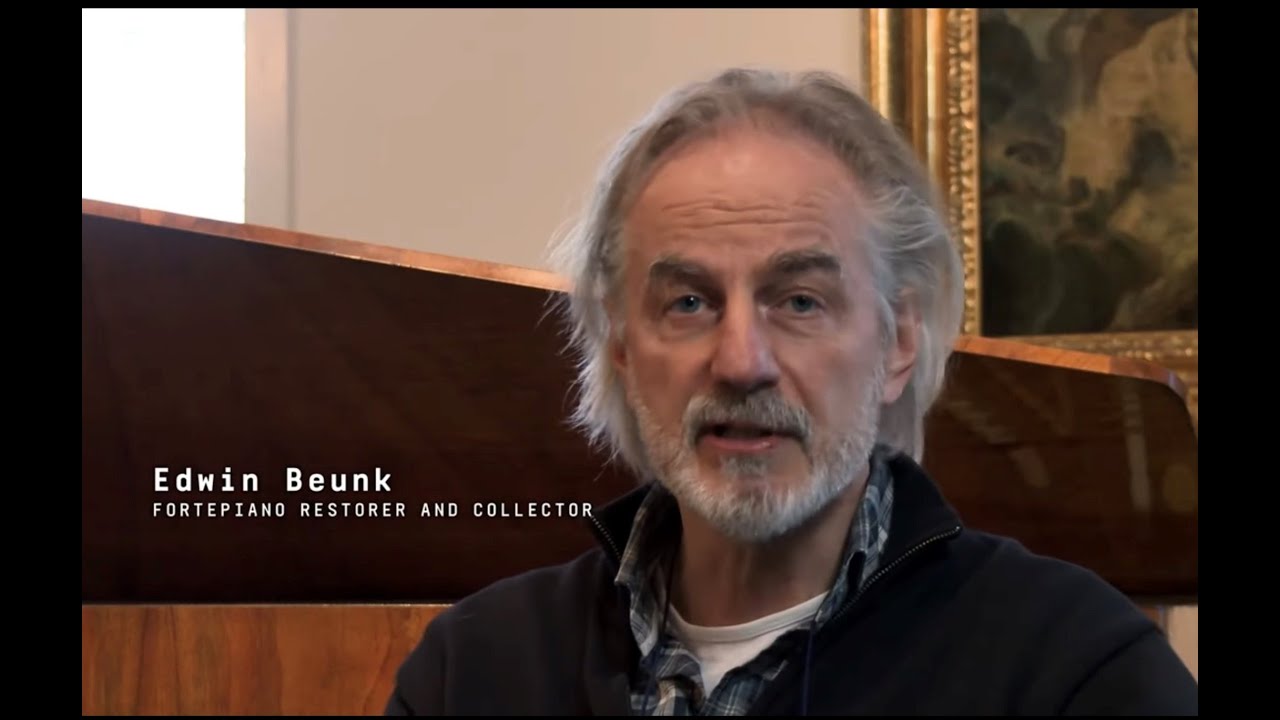
A restorer, par excellence, and collector, Edwin Beunk is deeply knowledgeable about the forte piano and he, along with great artists Andreas Staier, Alexander Melnikov, Kristian Bezuidenhout, Robert Levin, Ronald Brautigam, Yulianna Avdeeva and Frans Brüggen and his wife Riko Fukuda might convince a few more of you to revisit classical period pieces performed on this instrument. He and Riko also have another series in which they describe the evolution of the piano through the classical and early romantic periods. Strings and soundboards thicken, tensions increase, double escapement appears, octaves grow in number and braces become metal. Fascinating evolution and Mr. Beunk and Ms. Fukuda are wonderful and engaging guides.
Deep weeds: The Fortepiano in the Classical Era by Michael Cole, Clarendon Press Oxford.
I’ve been rerelistening to Mozart piano concertos and find I prefer them and Haydn piano works on this instrument. One recording that has had me on repeat is Kristian Bezuidenhout/Freiburger Barockorchester Piano Cto’s 9 and 18, particularly the Paradis (18). Splendid articulation, color, voicing and integration with the excellent orchestra.
I had previously stated that I thought modern built fortepianos based upon period instruments were superior in sound to actual period instruments. With loving care and meticulousness, Mr. Beunk and his amazing colleagues gives the lie to this. His reconditioned fortepianos are wondrous instruments. What treasures the restoration team and the instruments are.
Olga Paschenko/Il Gardellino Mozart Piano Concertos 6, 8 and 18 led me here. She plays on an Atelier Chris Maene Tangentenpflügel (6 and 8) and an Anton Walter 1792-based Paul McNulty (another treasure) fortepiano (18). Found the tangent piano a bit thin and challenging to distinguish from a harpsichord, but the fortepiano was very nice.
Also listened to Murray Perahia/English Chamber Orchestra’s excellent recordings of the same Mozart piano ctos. Although I love the Perahia/ECO Mozart piano ctos first among modern piano versions, I now prefer the less singing, more transparent and resolved fortepiano versions and Mr. Bezuidenhout’s above all.
7 Likes
Thank you @Arindal for the insightful and interesting exposition on this Mendelssohn composition. A fascinating composer, greatly beloved of his fellow composers. Has made me re-assess my initial impressions of his work.
1 Like
Thank you very much!
There might be a tragic personal story behind this rather unusual conception. Mendelssohn had been born into a Jewish family who during his childhood converted to Protestantism. One might assume that his tendency to accumulate an overdose of psalter texts praising the Lord, could be originating from his intention to be finally recognized as a Christian composer, and the symphony #2 was indeed a commissioned work to celebrate 400 years of the first printed Bible.
His earlier attempt to introduce sacred music themes into a symphony, had not met recognition, and he dismissed the work we today know as his #5, ´Reformation´. In chronological order, this was actually meant to be his second symphony. The sacred themes in that one were very subtle, there are even disputes among musicologist which traces of sacred melodies can be clearly identified. The title ´Reformation Symphony´ hints to a famous Luther choral´s melody used for the fourth movement. The most surprising aspect is its use of a catholic liturgical harmonic theme referred to as the ´Dresdner Amen´, that was later used by Richard Wagner several times (in `Tannhäuser´ and ´Das Liebesverbot´, as well as in several variations and extensively for ´Parsifal´).
Two very unusual recommendations for Mendelssohn’s No. 5 from my side:

Unlike many other recordings, it does not try to sound like Beethoven, nor overly (late-)romantic. It is almost a chamber orchestra, light and playful, nevertheless with an exemplary balance of brass and percussion, and in general a wonderful variety of orchestral timbres which Mendelssohn is mixing in an unusual way in the first two movements. You hear all the counterpoint details in the third and fourth movement (the Luther choral), but never in the sense of sacred music, rather some kind of woodwind octet style. The sound stays always on the symphonic side with just themes being quoted, the famous ´Amen´ being introduced without overemphasizing the surprise, and the quiet parts are just wonderful. It is a live recording, which you can clearly hear, as not everything is perfect.
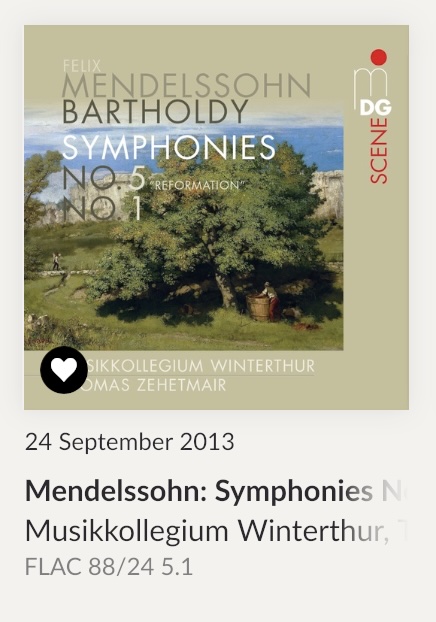
Similar approach by Thomas Zehetmair, a bit more on the romantic side. The orchestra is a bit more distant so you really hear the concert hall and groups of instrument are blending a bit more with each other. He introduces a hint of folk-music touch to the 3/4 section of the second movement, without overemphazing this aspect (it is not an ironic Mahler composition, after all). The fourth movement feels a bit more sacred, like a choral prelude, than Bosch´s precise chamber-music approach, in terms of phrasing and handling of woodwinds.
And to round things up, another version of Mendelssohn´s No. 2 ´Lobgesang´ which happened to make this work one of my favorites, particularly because of the choir:
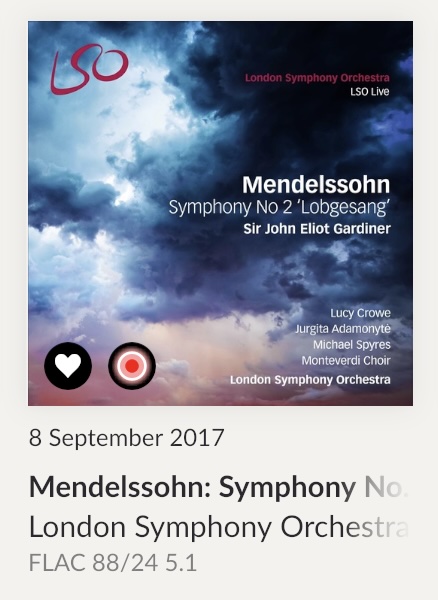
The `Sinfonia´ sounds like typical LSO: Bold, violin-rich, dynamic, romantic, at times dramatic. The introduction to the cantata part starts with the same theme, so you would expect an even more bold, heavy and operatic London symphony choir. But the opposite happens: It is the Monteverdi choir, singing with lightness, baroque-worthy precision, intelligibility and a wonderful sense of decency.
5 Likes
Mozart´s ´Zauberflöte´ is undoubtedly one of the most famous compositions of all times. For me personally, despite from admiring parts of the music, it was always an inaccessible one, both on stage and as a recording. Questionable storyline, dialogues which don´t blend with arias and ensembles, tendency to either take it too seriously or ridicule parts of it. And above all, singers who aim for the highest coloratura, the lowest bass or the loudest choir instead of hitting the particularly Viennese tendency of not taking everything too seriously.
This one is different:
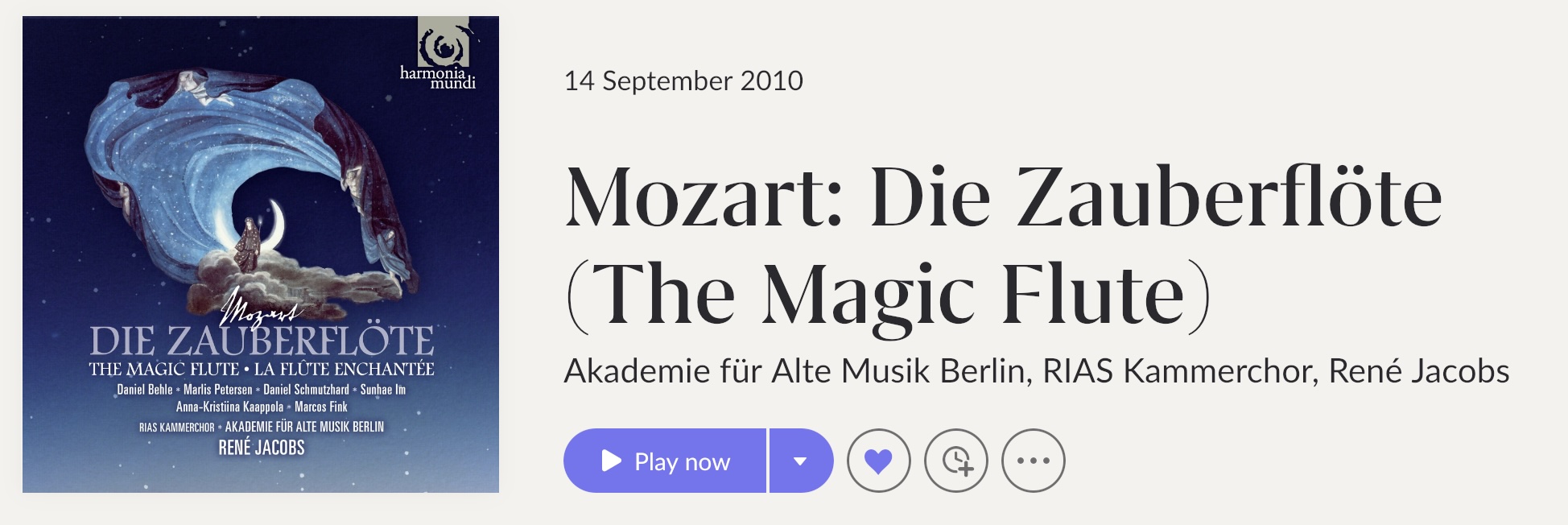
Listening to that one for the first time, having legendary singers in mind, one might think of Jacobs´ reading being not anyhow special. But in my understanding, it is. Most obvious difference: the overly dramatized dialogues work, and blend nicely both with the arias and ensembles, as well as with the radio-play-like atmospheric sounds and special effects.
The other main factor is the soloists. They are all sufficiently fluent in German and capable of declamating spoken word, not in drama theatre style, but in a more folk comedy style, which the ´Magic flute´ comes pretty close to. And they all incorporate their roles, being credible in both spoken and sung word. It is a bit unusual to hear a more mature mezzo-voice as the Queen of the night (who sounds a bit forced with the higher coloratura, but her drama-queen style makes up for that), and a baritone, not a bass, for Sarastro, who sounds a bit oratorio- and priest-like, avoiding showcasing the very low notes. The excellent RIAS choir, one of the best ensemble in my opinion, hits the same sacred tone full of decency with excellence. The four main roles sound equally young, theatre-like and credible, with the (Upper-)Austrian dialect of Daniel Schmutzhard (Papageno) giving the recording a touch of ´sounds like Mozart might have meant it´.
René Jacobs´ conducting the Akademie für Alte Musik Berlin in a playful, light and joyful manner, but a bit tame and with unusually decent tempi in the ears of those who know his ´Figaro´ and particularly ´Don Giovanni´. After all, the ´Zauberflöte´ is much more folk theatre than it is ´dramma giocoso´, and I have never heard it that credible before.
4 Likes
bit early for opera but definitely added to Listen Later
Ironically my favorite is the Naxos one
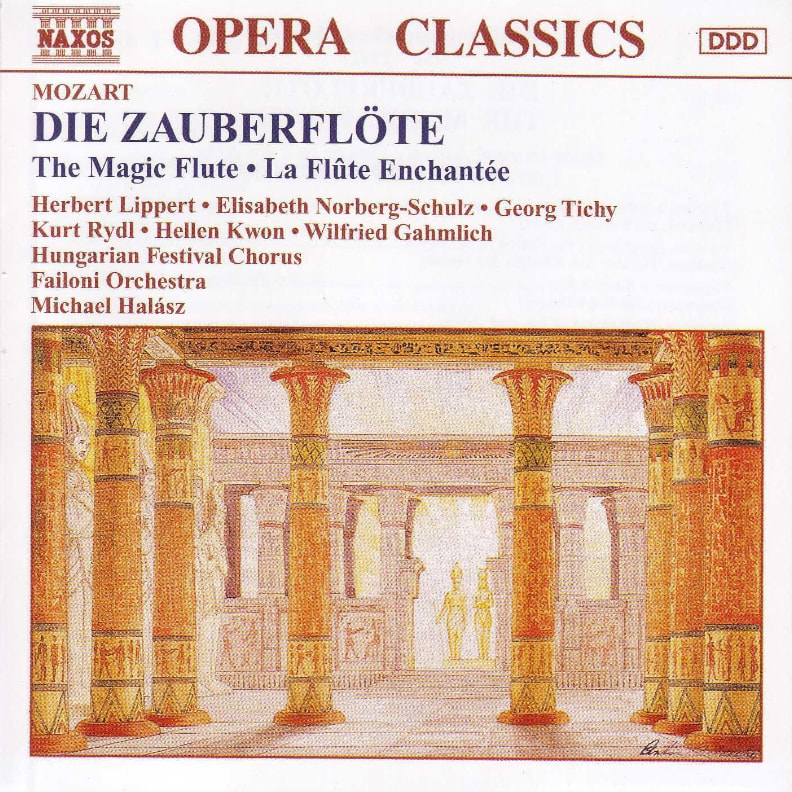
Naxos recording at it’s best with a cast of relatively unknowns
5 Likes
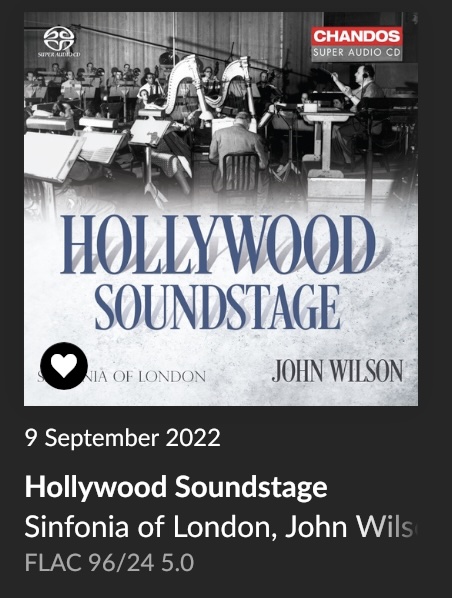
I’m a big fan of John Wilson, especially with the Sinfonia Of London.
This is one of my favourites. Excellent performance and great RQ/SQ by Chandos
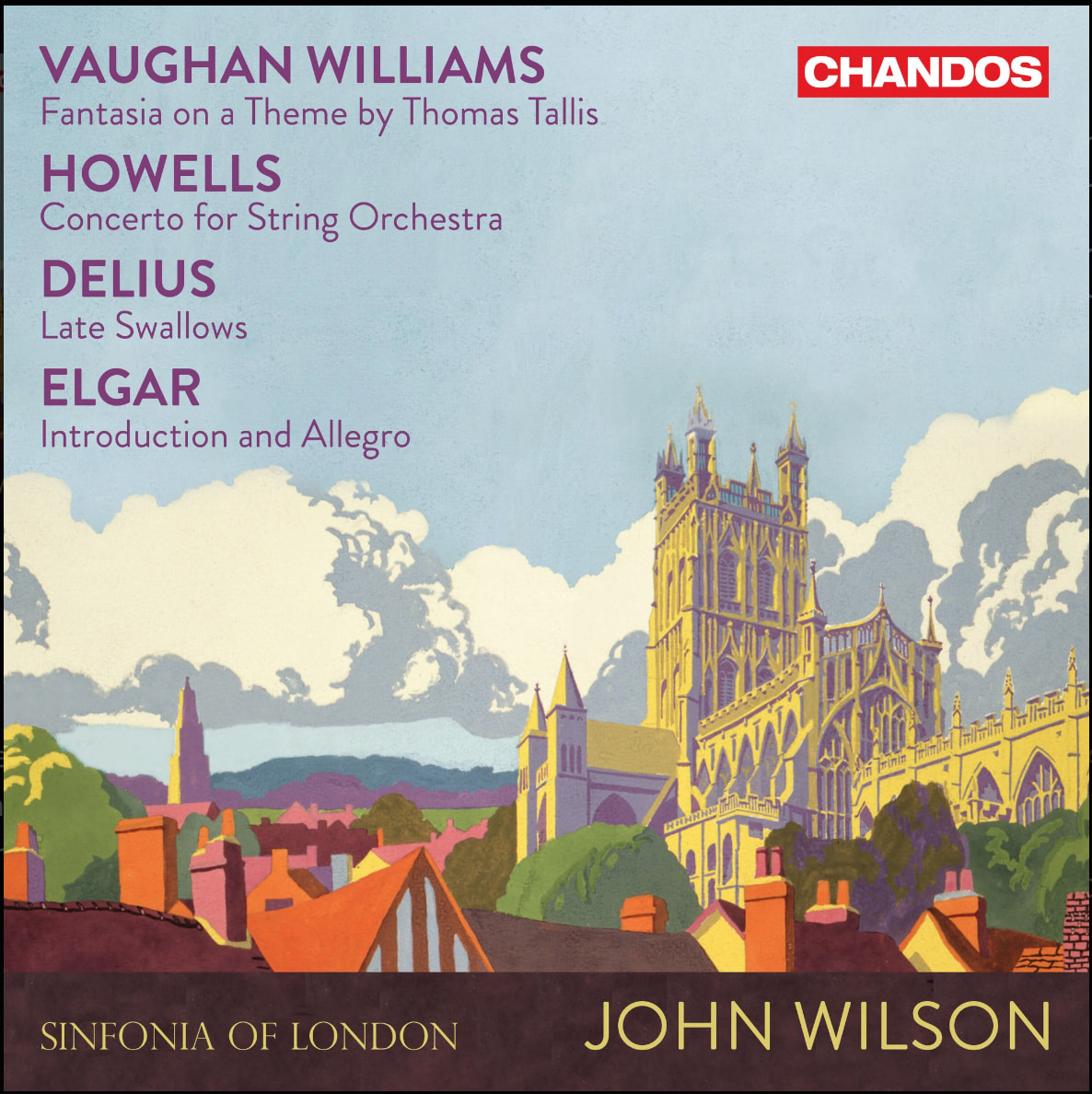
These are all new releases, which I’m enjoying very much.
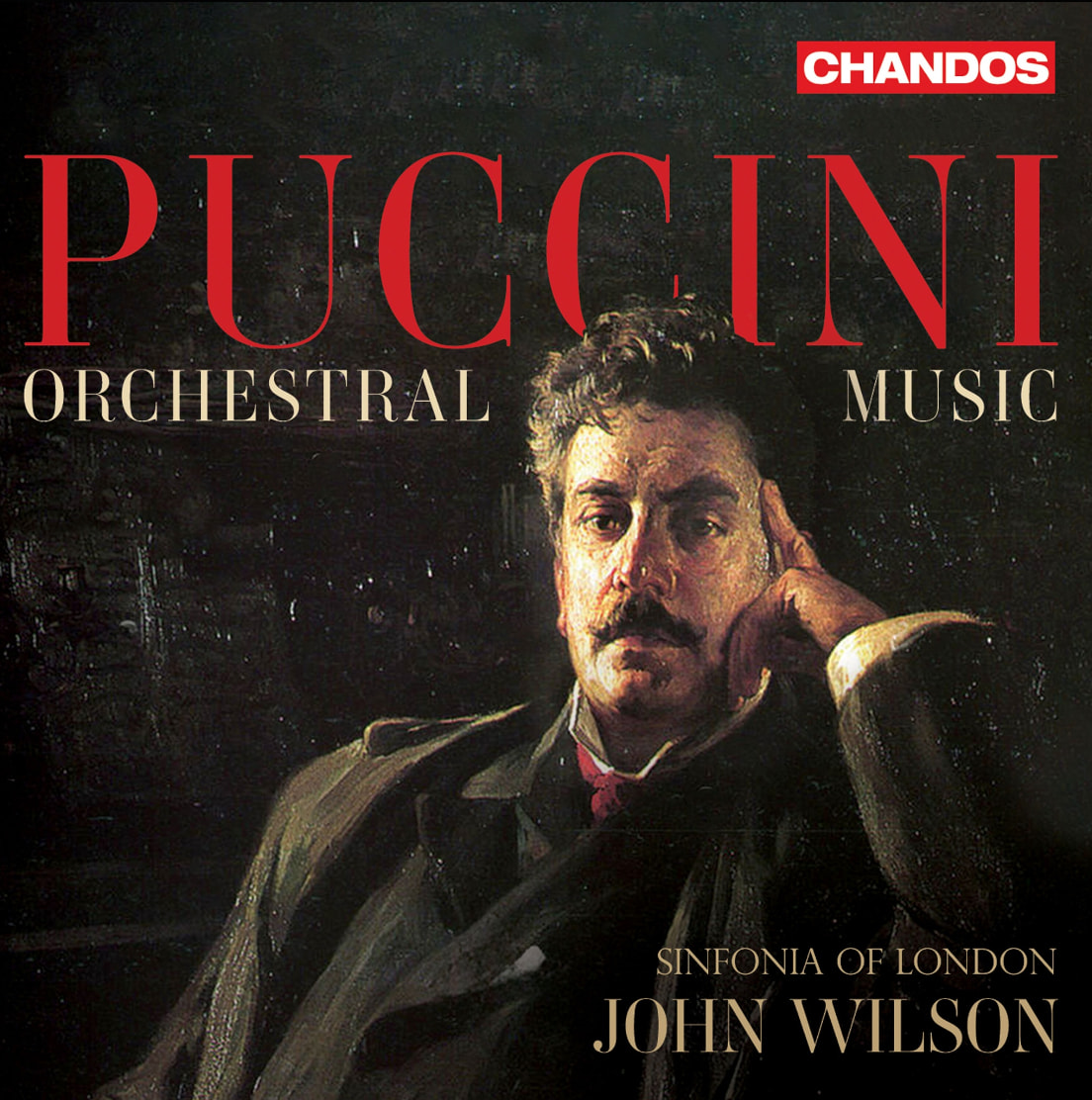
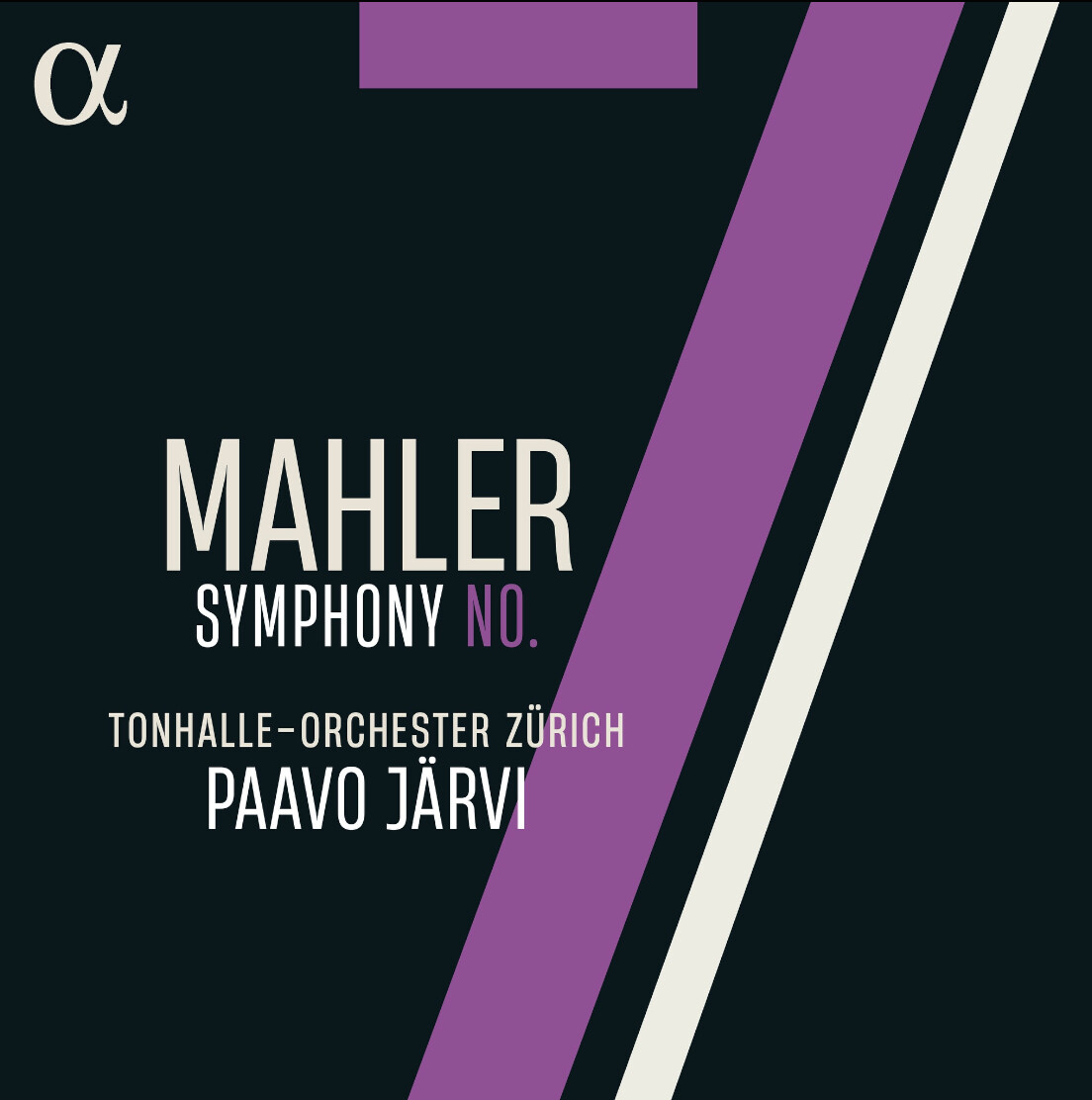
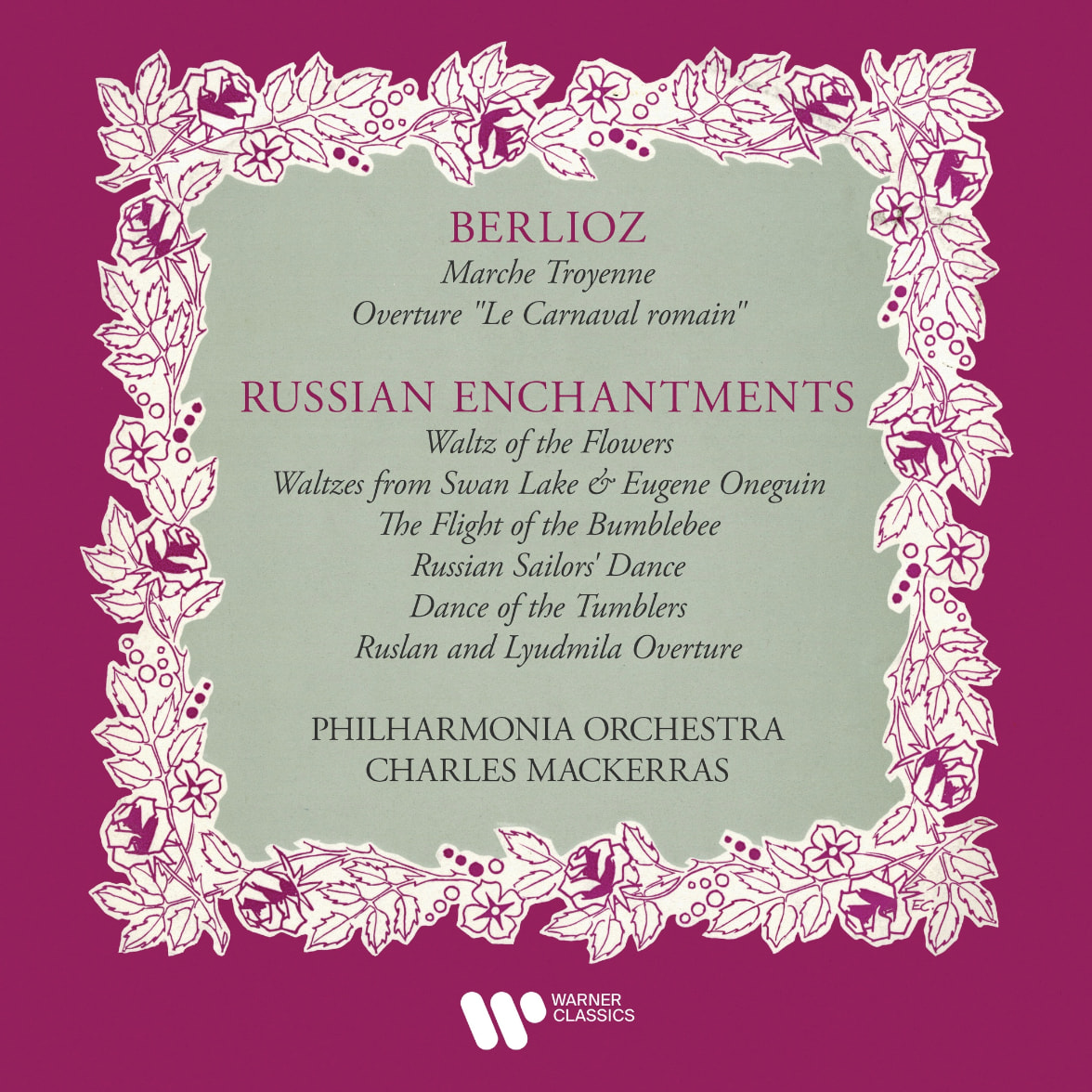

2 Likes

Revisiting my Archiv Telemann CDs by this artist today …

Taflemusik up next.

3 Likes
Completely agree, thanks for the recommendation! John Wilson is a rare example of a conductor mastering both very serious compositions, like opera, and comparably ´light´ music, operettas, film scores and big band stuff. Or to put it the American way: the man got swing!
Another conductor who has a similar sense of rhythm in light music, in my opinion is Neeme Järvi:

2 Likes