Should the definite article "The" be included when translating English artist names into Japanese?

It appears that Roon handles the definite article “The” in Japanese artist names in three different ways:

A. Both the English and Japanese names include “The” (or the Japanese equivalent “ザ”): e.g., The Beatles, The Beach Boys, The Drifters, etc.

B. The English name includes “The,” but the Japanese name does not include “ザ”: e.g., The Allman Brothers Band, The Monkees, The Animals, The Brecker Brothers, etc.

C. Neither the English nor the Japanese name includes “The” or “ザ”: e.g., Eagles, Blues Brothers (note: Wikipedia includes “The” in the English name, so Roon might be incorrect here), etc.

Since the Japanese language lacks the concept of definite or indefinite articles, and it is standard practice in everyday conversation to omit “ザ” when referring to foreign musical groups, I personally prefer approach B.

Does anyone happen to know what Roon’s official policy is on this?
Should I consult with the Translation Admins?

For artists that lack a Japanese name, I have been adding Japanese aliases via MusicBrainz; however, in cases falling under category A, I have left the “ザ” in place, as I feel it would be disrespectful to the person who registered the alias to remove it.

It does not appear that the MusicBrainz FAQ contains any specific policy regarding the use of definite articles in aliases.
Editing FAQ - MusicBrainz ?
Now this is one of the more interesting topics I’ve seen recently! I fall back that the primary goal of translation is in making the target-language rendering fluid, accurate, and meaningful in that language. So, I agree with your B approach with exceptions for A/C where corpus linguistics or general tradition suggest including the modifier.

Note that I am not familiar with Roon’s guidelines or associated in any way with Roon.

Hi @ExUnoPlura, thanks for your comment.

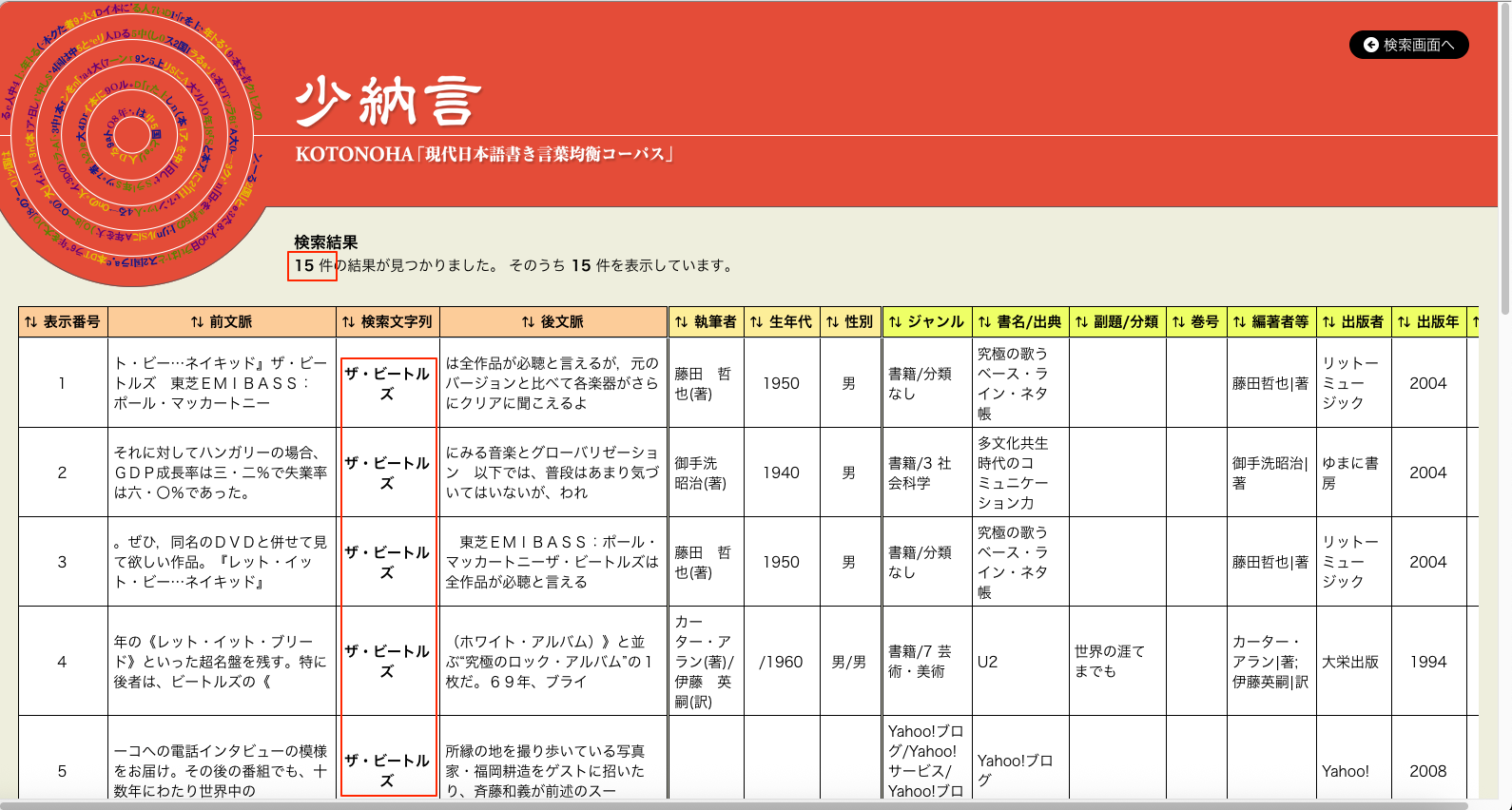
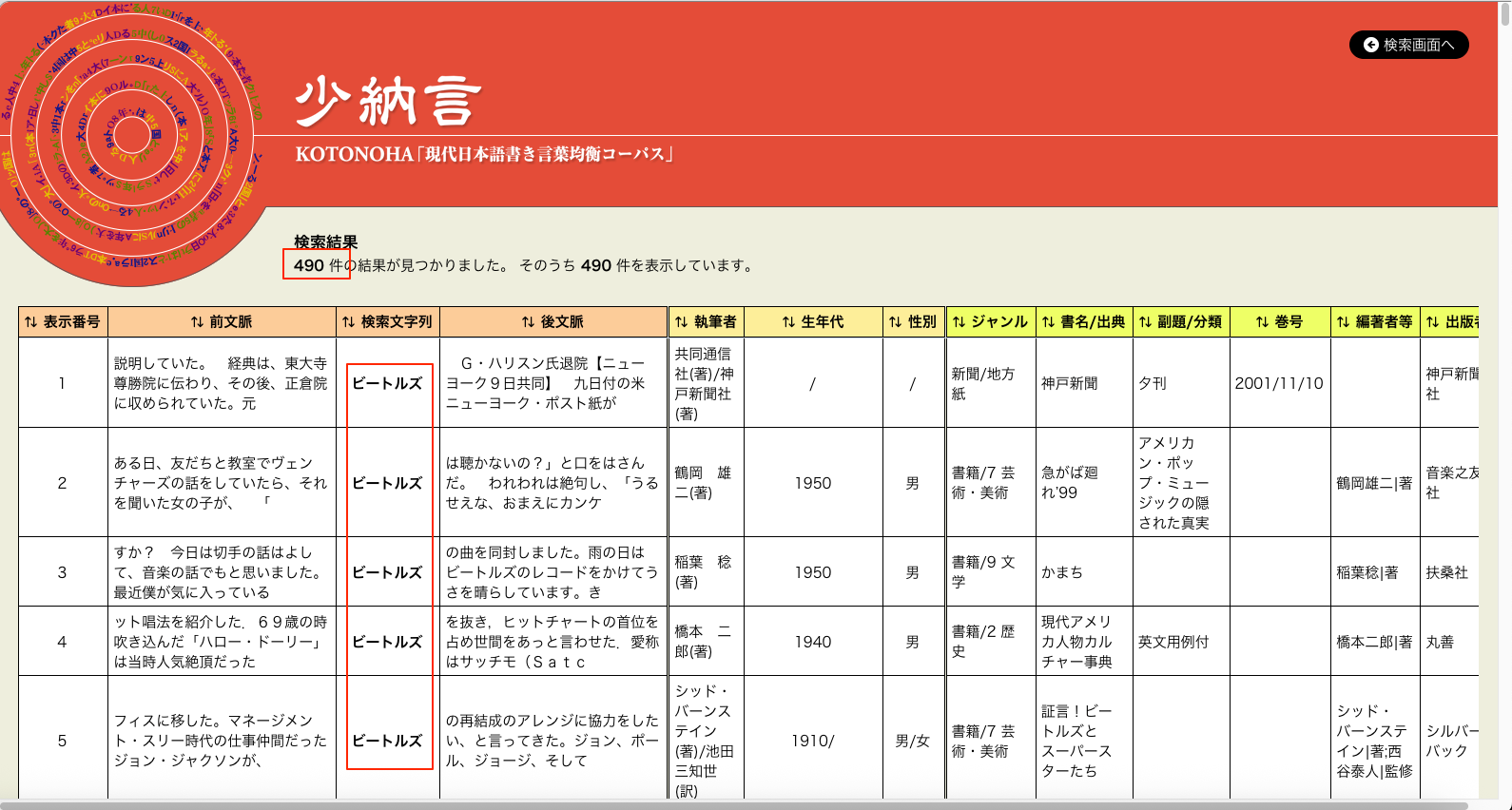
A search in a Japanese thesaurus for “Beatles” yields the following results, with the version omitting “The” being overwhelmingly more common (Case B):
・“The Beatles”: 15 entries; “Beatles”: 490 entries.

In some cases, “The” is added intentionally because the name might otherwise be unclear (Case A):
・The Band, The Who.

There are also instances where the English name does not include “The” (Case C):
(As I am not a native English speaker, I am not entirely sure about the nuances behind including or omitting “The” in group names.)
・Coldplay, Red Hot Chili Peppers, Wings.

There are also cases where the inclusion or omission of “The” in Roon’s English-language entries differs from Wikipedia.
For now, I think the most practical approach is to follow Wikipedia as the standard.

Excellent and coherent follow-up. As you are a native Japanese speaker and translator, there is good evidence that omitting the definite article modifier is generally acceptable even for historical examples of significance like “The Beatles.” Your intuition concerning ambiguous nominals is noteworthy (“The Band” and “The Who” used the article for ironic emphasis in English; how you convey that is for a native speaker to determine but you should at least provide resolution of the ambiguity).

The final examples of “Coldplay, RHCP, etc.” have to do with implicit (maybe pragmatic?) expectations in English. “The” is rarely used with plural nouns like “Wings.” It could be done, but would be unusual and purely for effect. “The Beatles” shows this; the addition of the definite article conveys that they are somehow the only, the original, and the best “beatles.” It’s rather funny in a way.

I agree with your Wikipedia-directed standardization.