I have constant interrupts when trying to upsample SDM to 512 so can’t tell for sure. As of PCM to SDM upsampling 512 opens a bottom octave further low (might be quantitatively hyperbolic but that’s the idea)
I’m using .wav convolution curves in the “matrix” tab of HQP5.
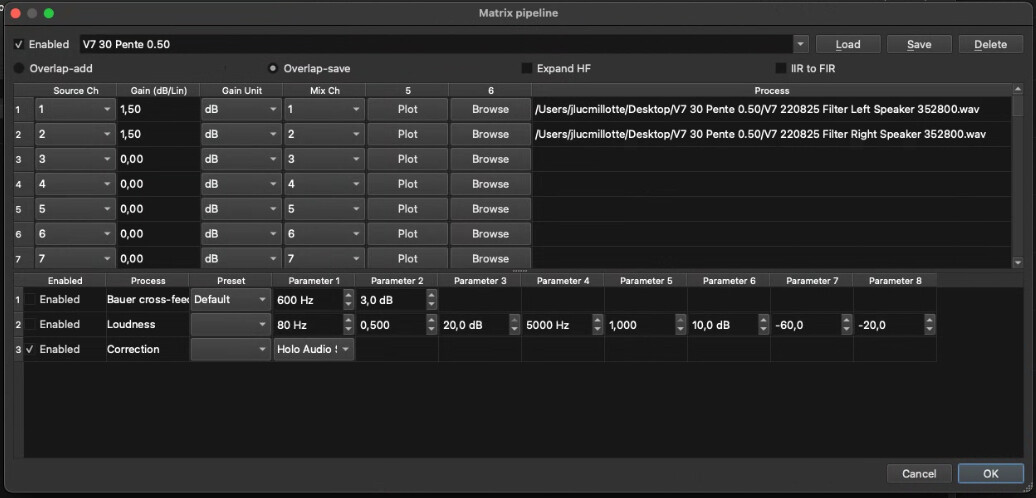
I created them with Focus Fidelity and I have the choice of generating the .wav files in two formats: 352800 or 384000.
I’m using the 352800 format as indicated in the HQP manual (I’m assuming 44.1k and multiples and DSD), but is 384000 (48k and multiples) useful or not?
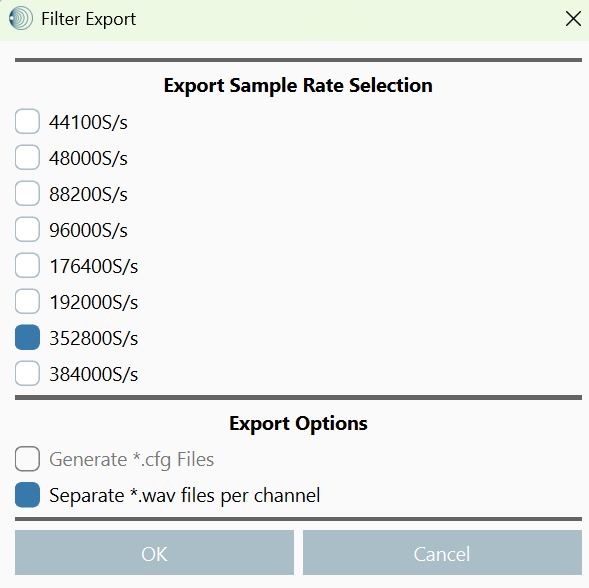
Question: What is better to put in HQP: .wav 352800 or 384000?
Yes, all the same applies regardless of the source…
1 Like
352.8k is best choice. I have not seen anybody selling 384k PCM content either, while there is quite some 352.8k content. You can of course use also 384k, but I don’t see any benefit in using it. So I feel 352.8k is the most convenient solution, IOW best fit for the purpose.
With my Spring 3 KTE I’ve been enjoying how smooth sinc-MGa w/ ASDM7ECv3 @ DSD512 w/ Dac Correction enabled. I’ve also been bouncing to sinc-Lh which does seem to have a bit more bite but still very much enjoyable.
Boston
Foreplay / Long Time
1 Like
Embedded 5.14
DAC correction
DSD 512 x48
1x poly-short Nx poly-short-mp-2
Modulator also ASDMEC7-Super
Works great with rock  music
music
Testing
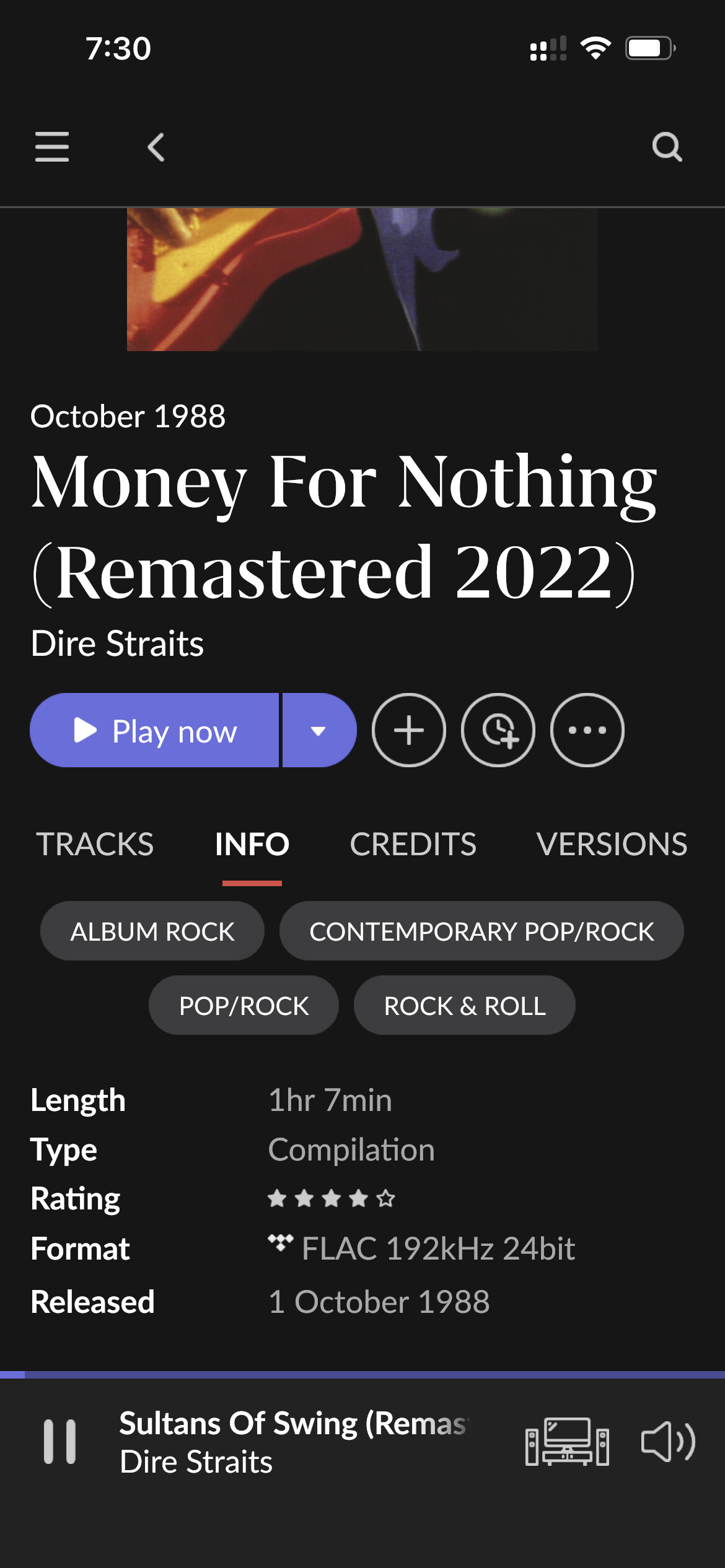
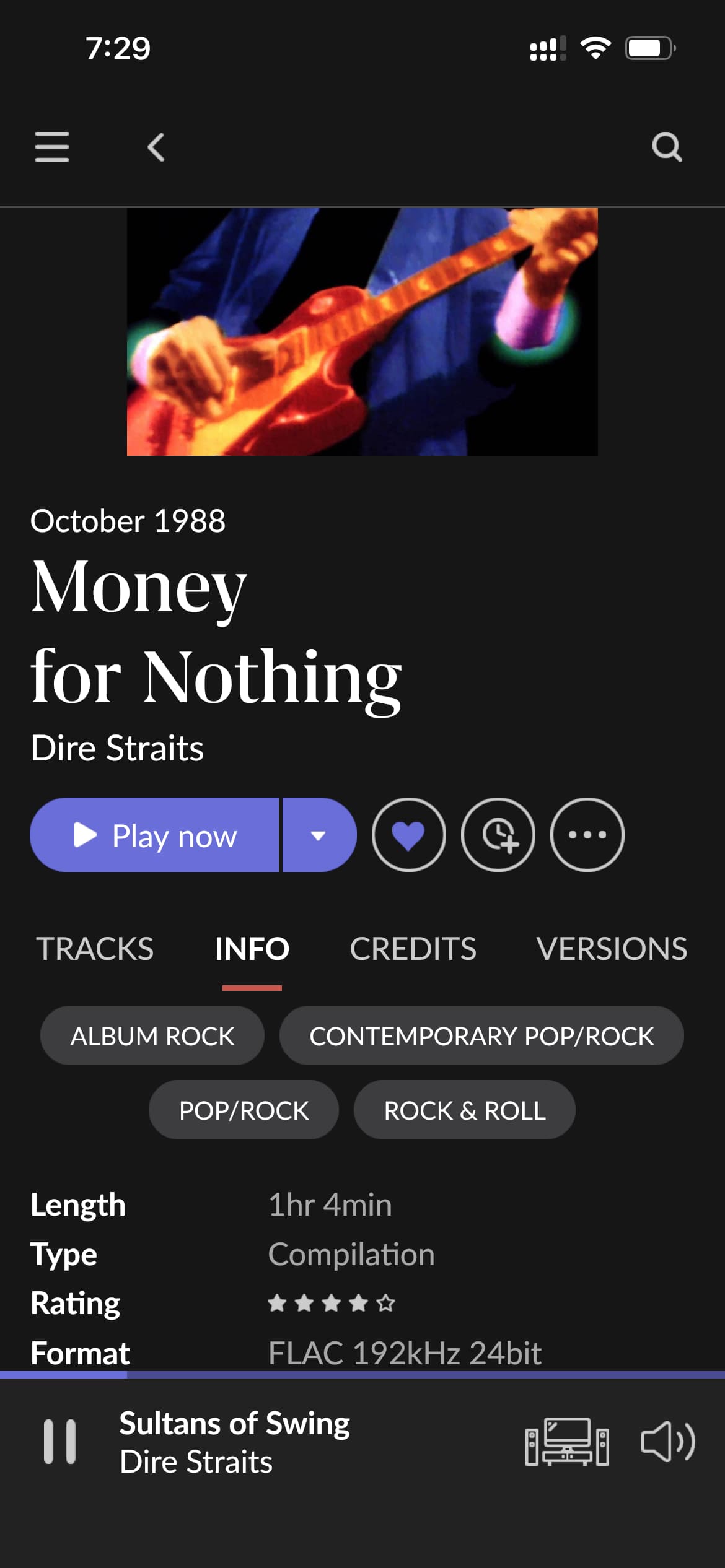
Qobuz
FLAC 192kHz 24bit
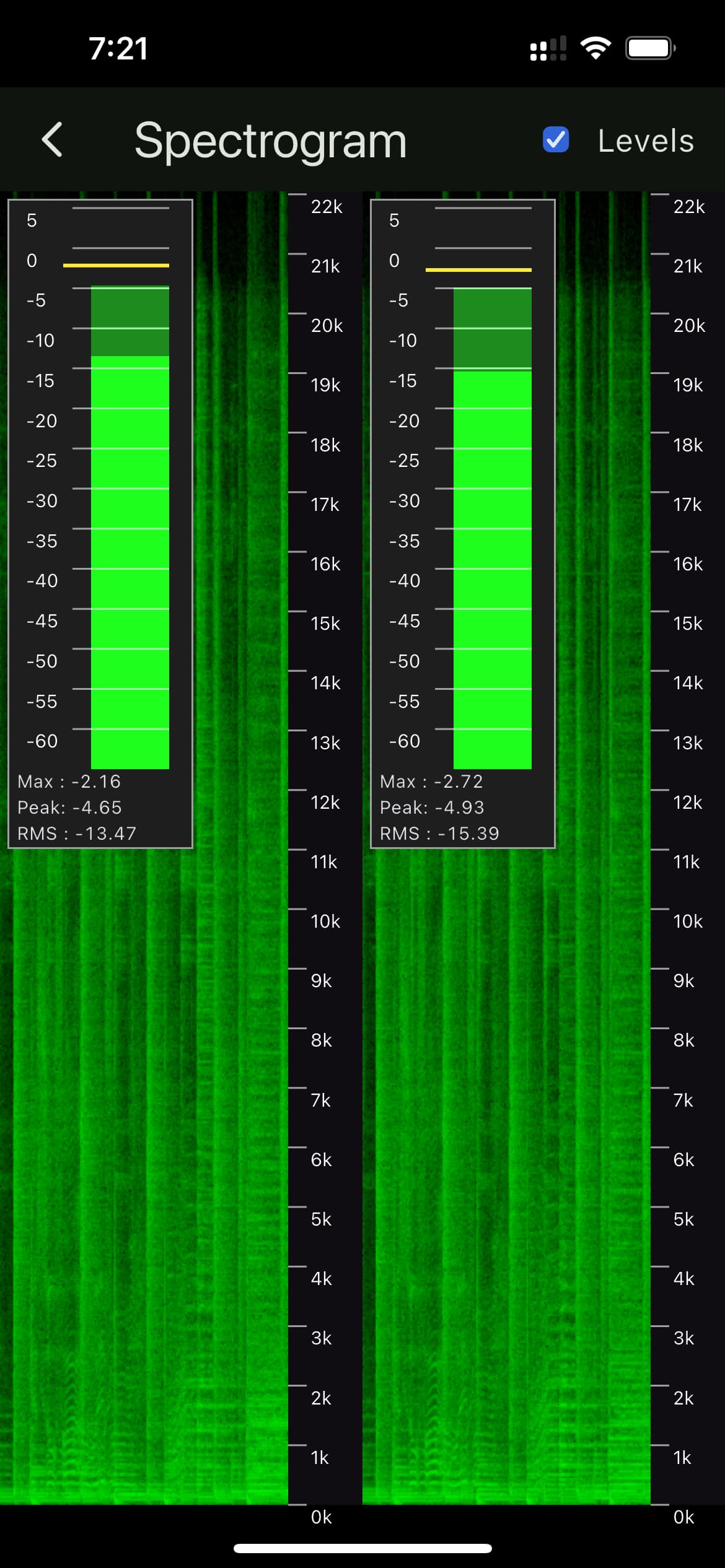
Spectrogram: Fake high resolution?
Tidal
FLAC 192kHz 24bit
Spectrogram: Fake high resolution?
(But sounds good  )
)
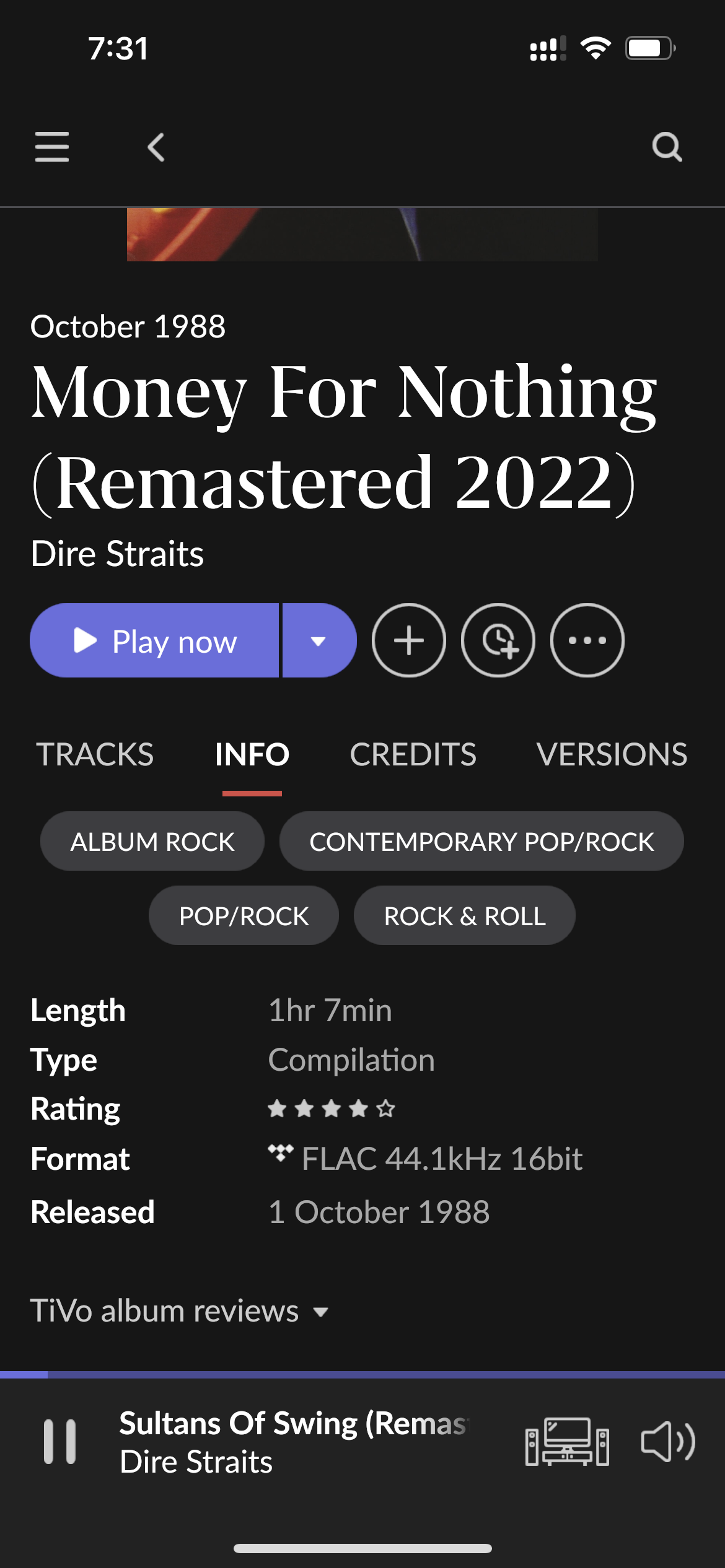
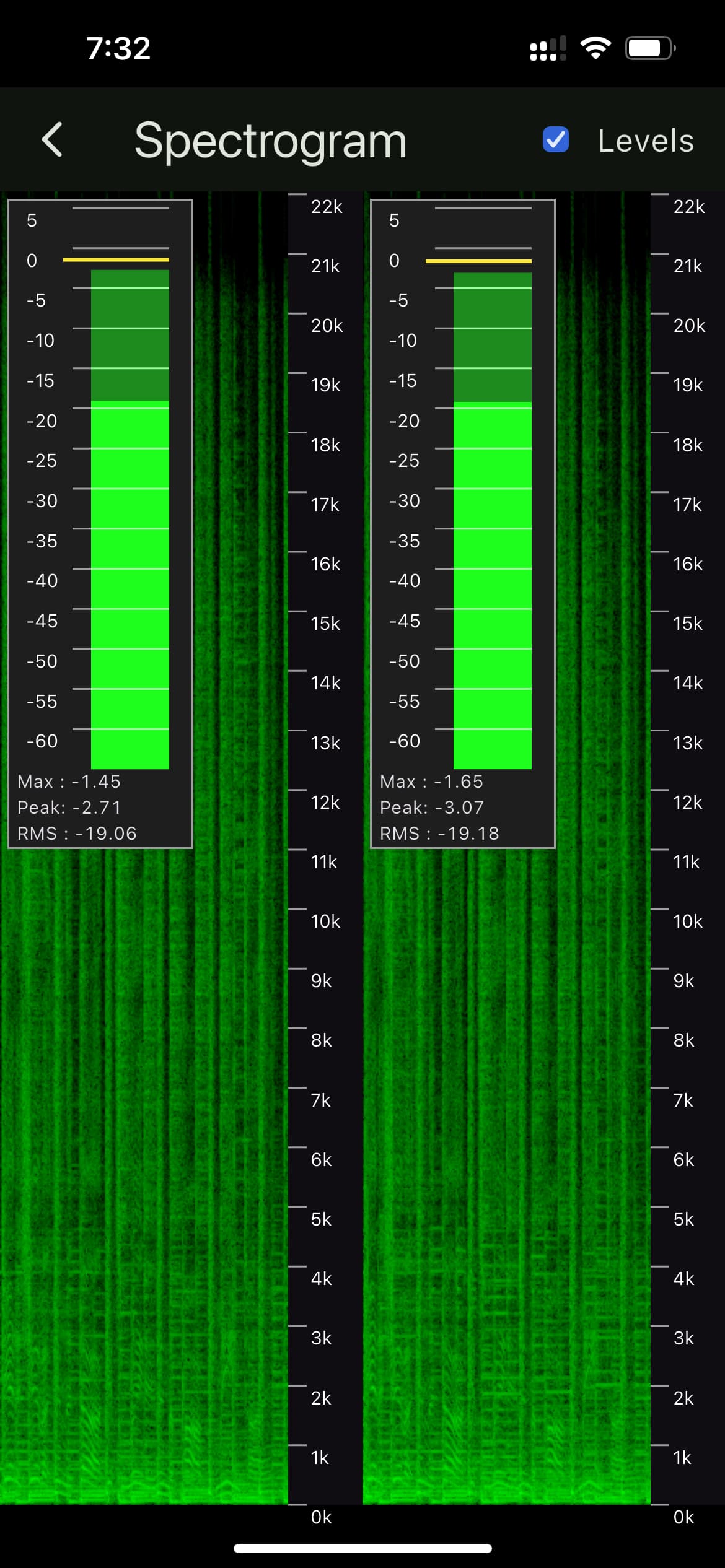
Tidal
FLAC 44.1 Hz 16bit
Spectrogram: balanced

Thanks @StreamFidelity
Horrible release.
1 Like
I noticed this bad recording a while ago. Butchered. Dynamic range is nasty.
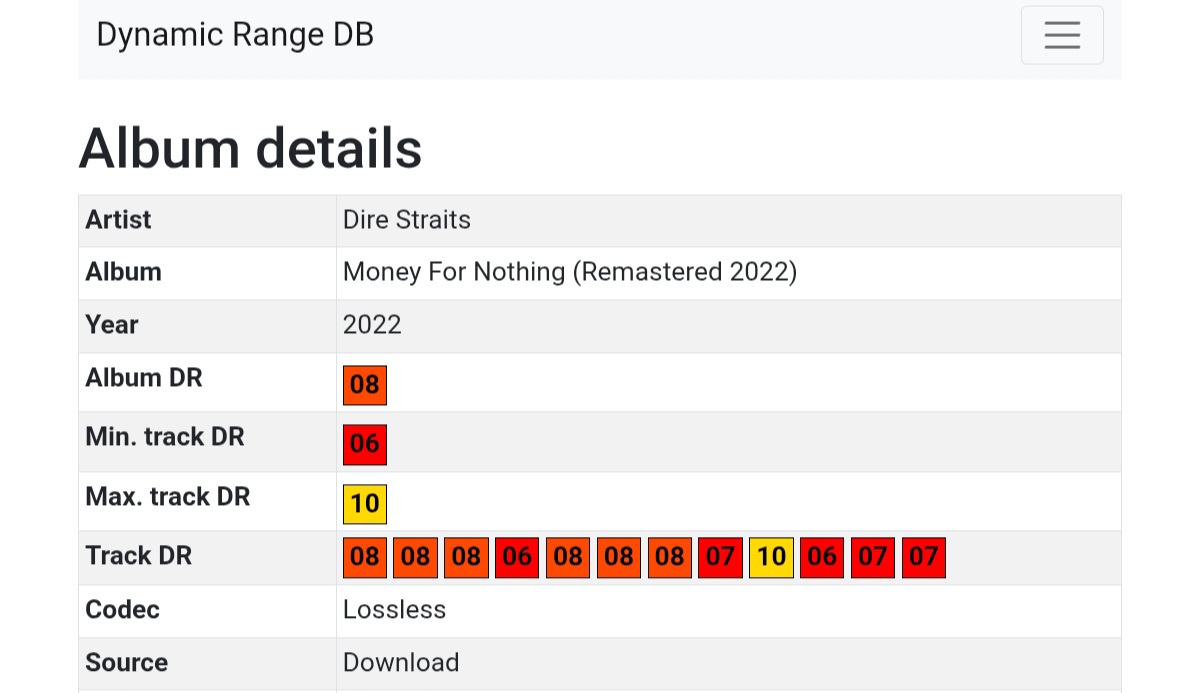
Here is the CD rip from 1988:
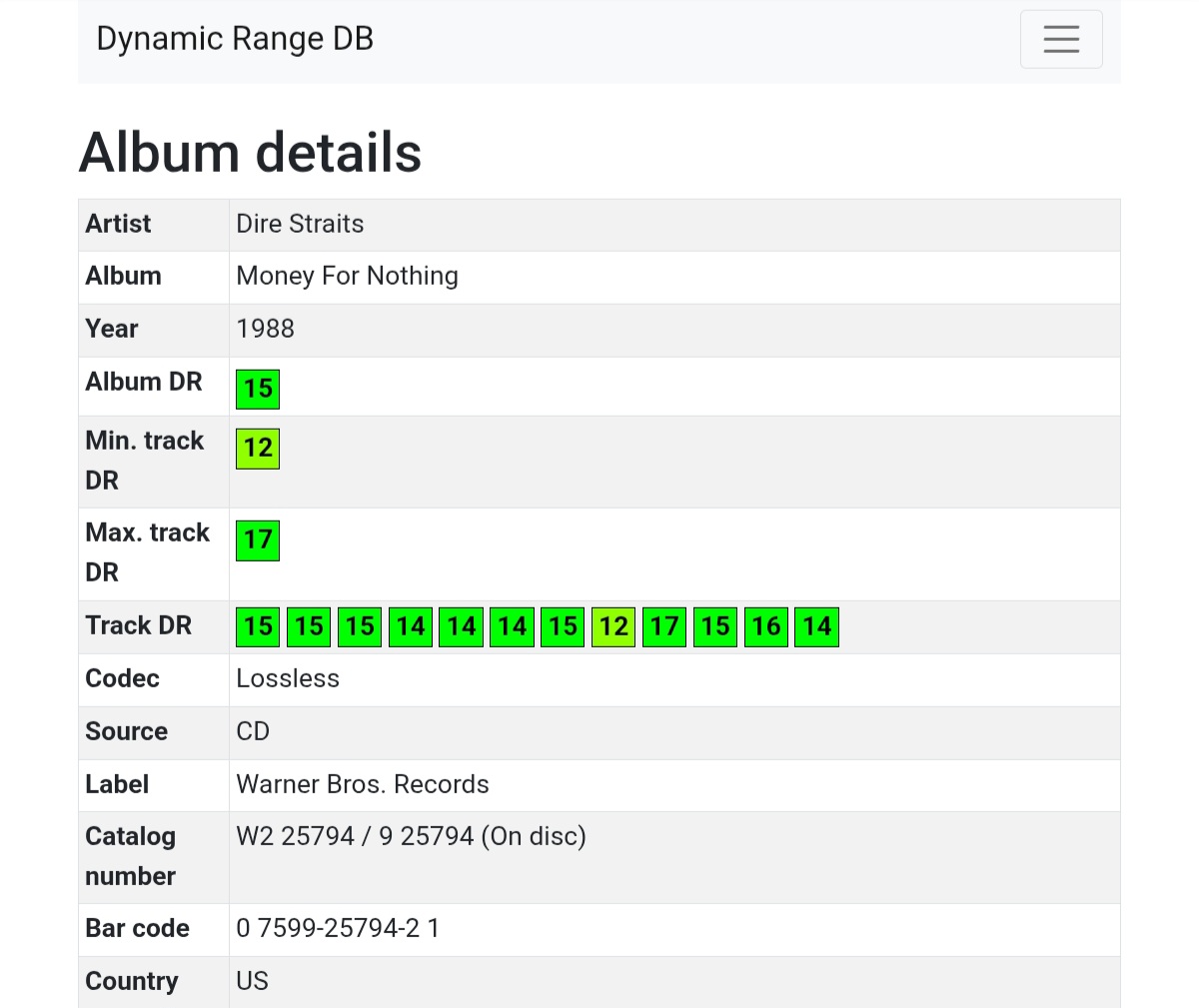
I have one of the 1985 editions of Brothers In Arms album. With dynamic range 16/13/20.
One of the examples how later remasters have ruined quality…
3 Likes
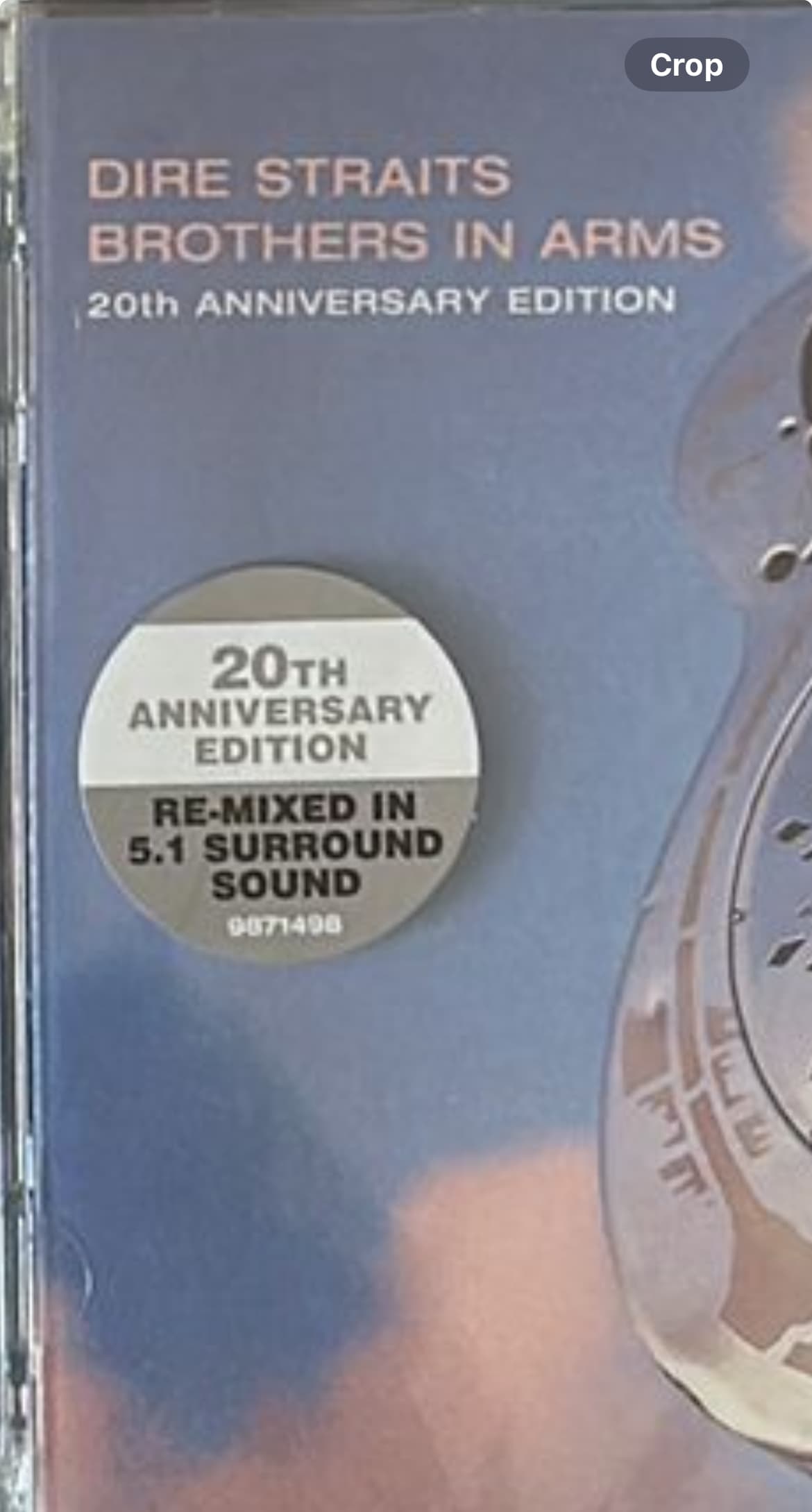
I was able to find second hand SACD version 20th anniversary.
This looks and sounds better

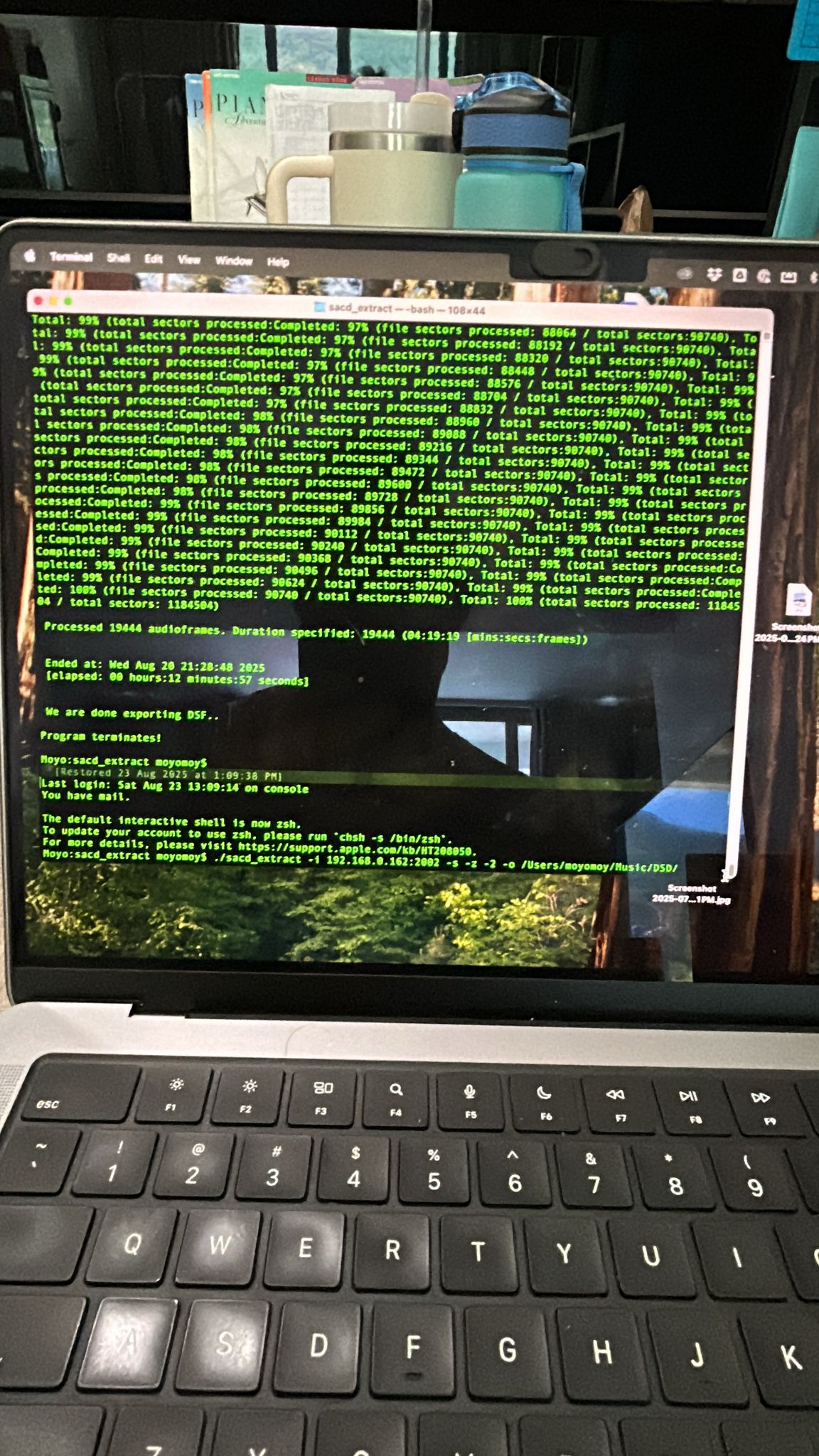
I’ve been lately hunting for second hand bargains and extracting them with an old Sony blue ray.
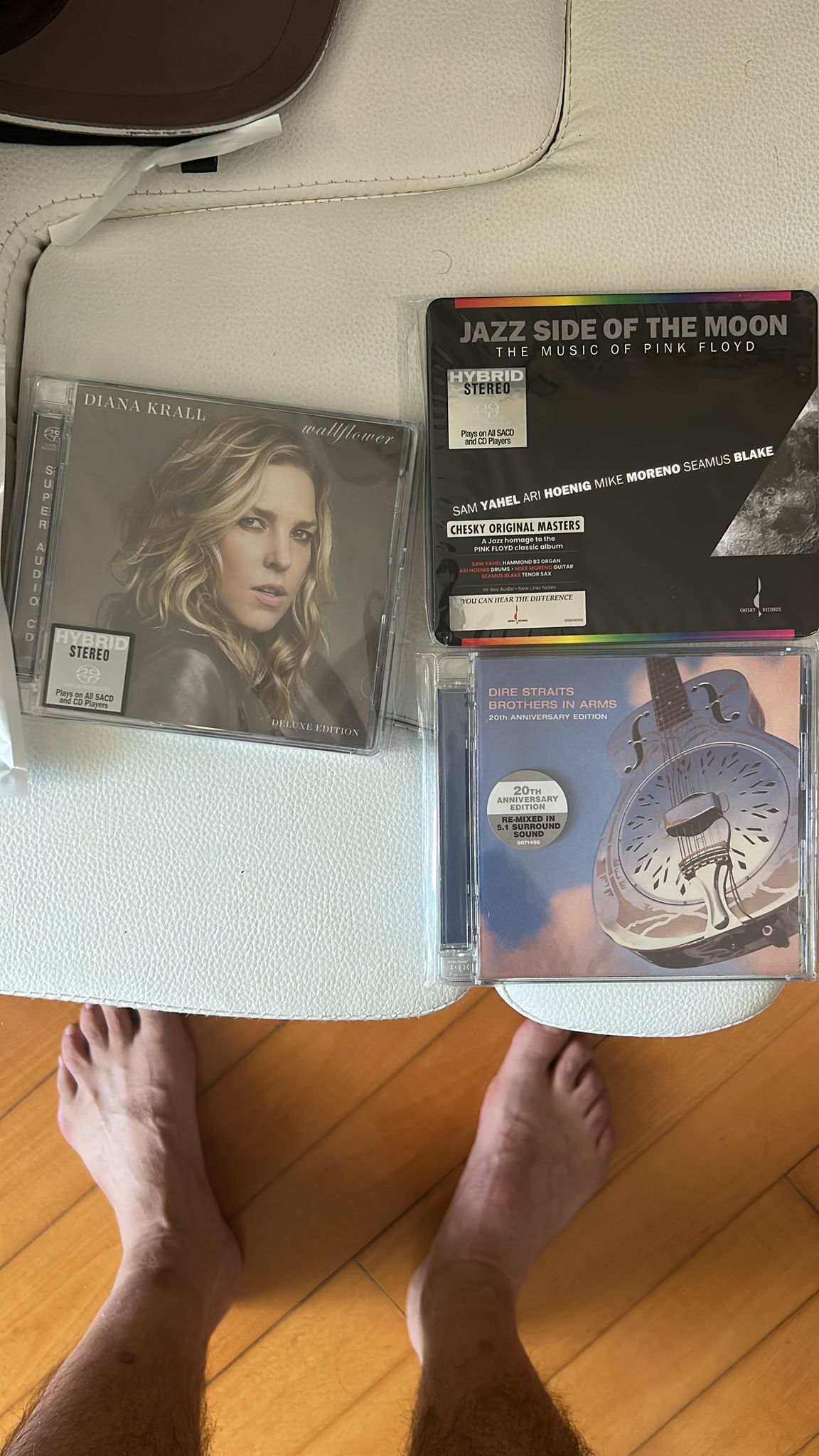
1 Like
You can check the Dynamic Range info of a sacd rip using foobar (32 bit on windows)
Super Audio CD decoder plugin (foo_input_sacd)
and
DR plugin (foo_dynamic_range) - works only on 32 bit foobar version
https://dr.loudness-war.info/downloads/foo_dynamic_range_1.1.1.zip
1 Like
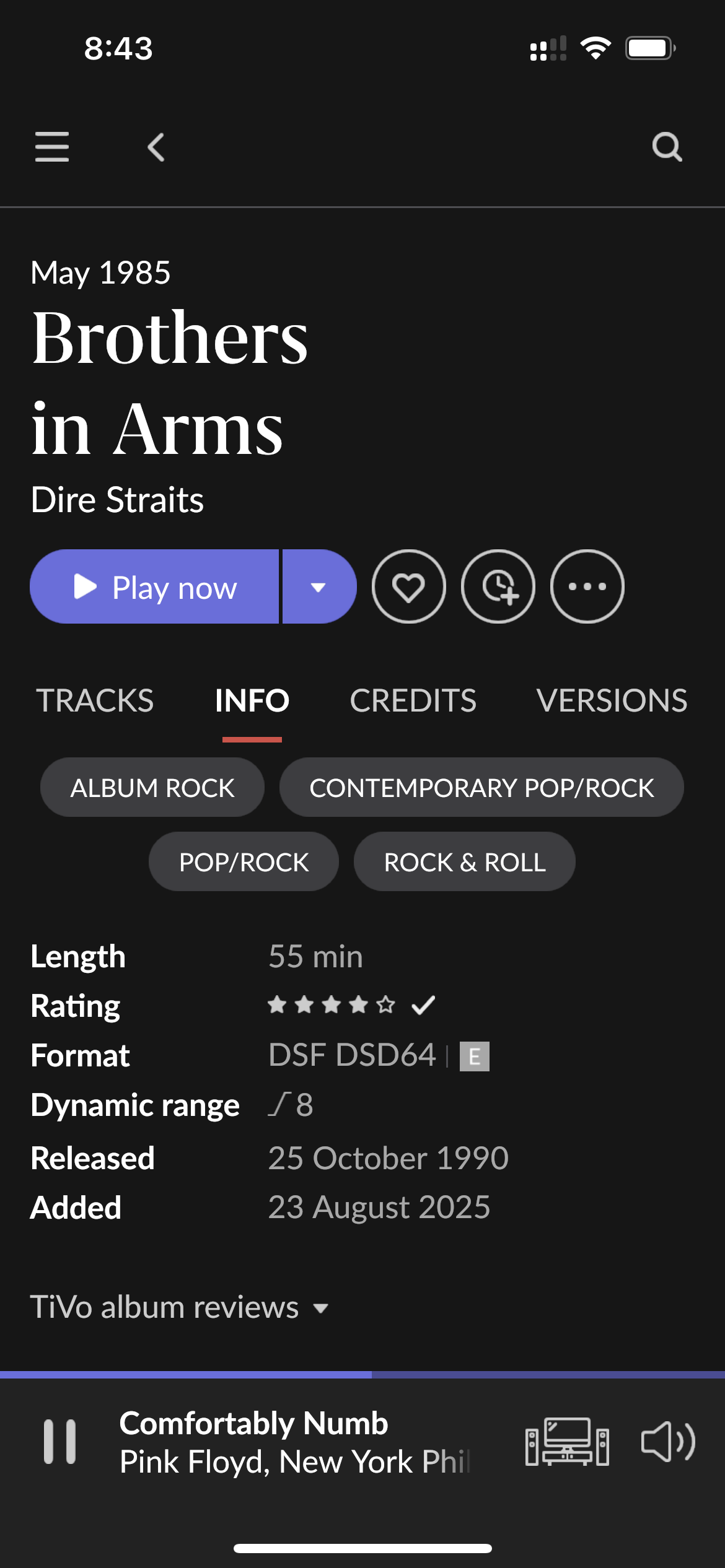
Oh, I don’t use roon so wasn’t aware they had that feature.
That DR of 8 is not good, if roon is accurate.
You want 11 or higher generally (IMHO). Not sure if roon uses the same scale.
I have Brothers in Arms (80s CD rip) with an average of DR 15
1 Like
Roon uses EBU R128
Perplexity results:
For energetic genres like pop, rock, hip-hop, EDM, and trap, LRA values often range from about 6 LU to 12 LU to reflect considerable dynamic contrast between sections (e.g., verse to chorus).
I guess thanks to HQplayer filters we can improve a lot the flaws
DR is not all in all though. Remaster can sound much better than the original, even though it would have slightly worse DR. I find myself preferring the originals maybe slightly more often than remasters though.
2 Likes
Yes, DR isn’t the defining thing. It’s just another tool to look at if comparing remasters to originals. Your ears are too of course.
With hqplayer spectrogram and DR, you can see some good examples of terrible mastering.
I haven’t found the answers to these questions anywhere:
- Is the Holo Red’s USB output superior to that of a NuC PC (which is what I currently have)? And, more importantly, can you hear a real difference when listening?
- Can the Holo Red’s CM4 seamlessly support DSD1024 with the latest AHM7EC8B (no problem outputting it with my current NUC)?
I think I have the same. Have you checked what kind of DR figures you get from HQPlayer for it?
From my library, original CD has LUFS -25 dynamic range 22. While the 20th Anniversary SACD RedBook layer has LUFS -10 and dynamic range 8. My library seems to be missing the DSD layer of this version.
Playing with HQPlayer I get 12.5 LU according to roon
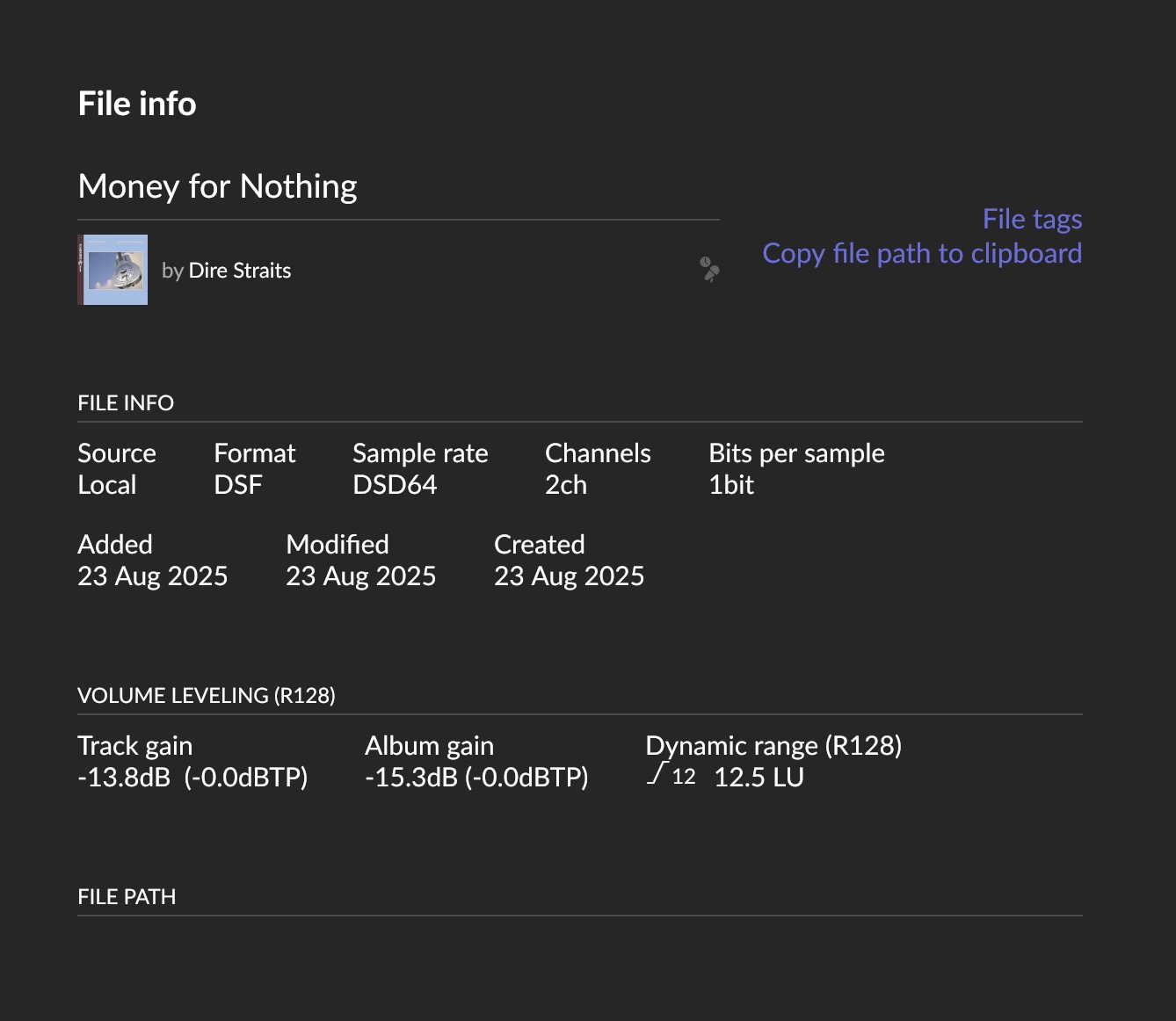
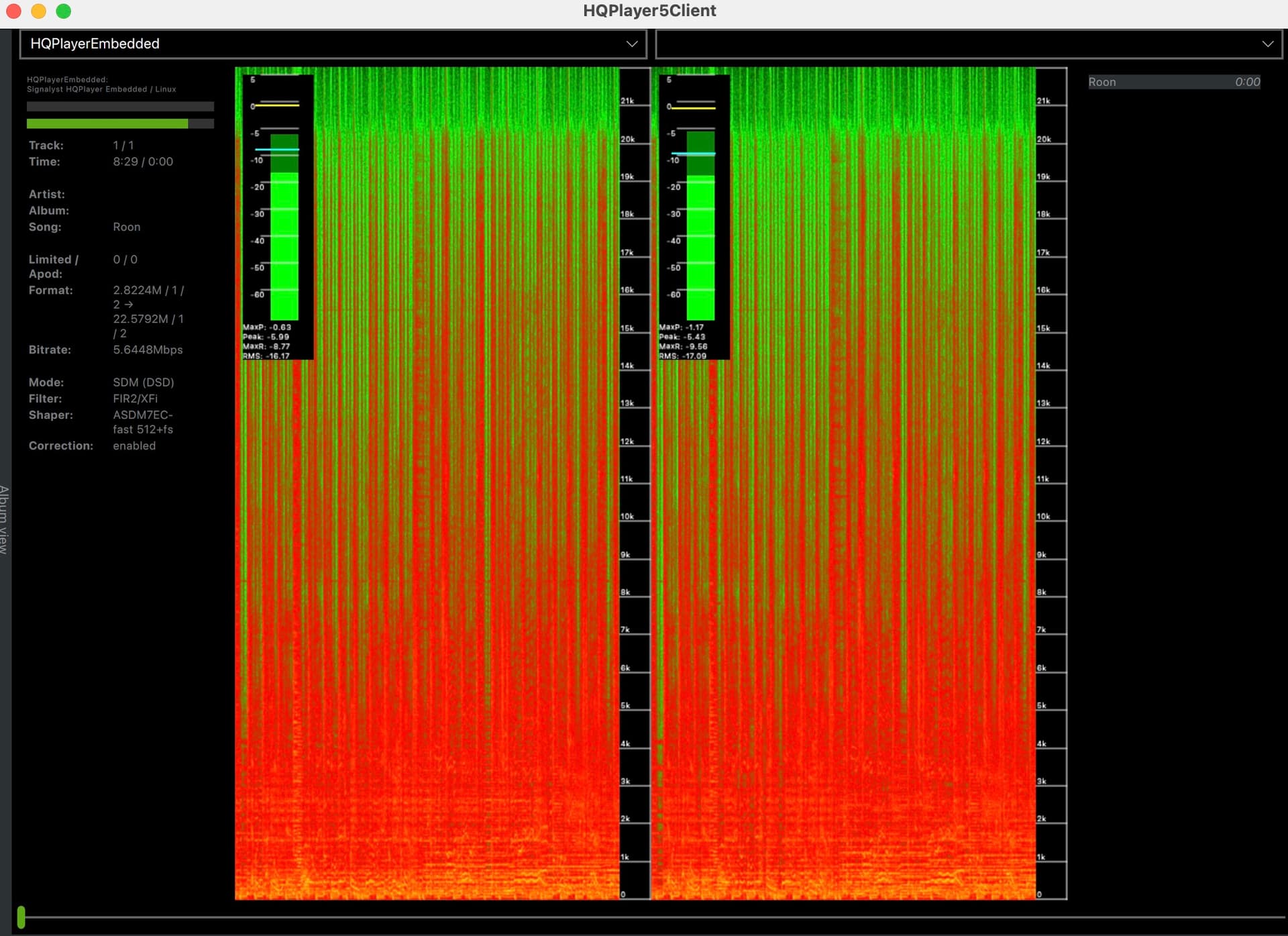
Notice I extracted as 2 channels but it is also 5.1
Jussi, could you please illustrate with actual music why NOS is a bad no no even with 192 KHZ source and why a reconstruction filter is mandatory so that my brain isn’t just making up from a mosaic mess ?
Yesterday I enjoyed 192 sources via NOS (albeit with NS9 shaper and 20 bits) with my May and all of what I have is band limited anyway, being analog tape sourced…
I have only 3 or 4 DXD sources and benefits of going rogue were not obvious, in a real quick comparison, NOS uped PCM and DSD (hb xs upsampling, both) were very close.
With digital 96 I stopped NOS very quickly after a congested drum roll.
On a broader scope, I’d like to better dig filter action (cut off frequency, slope etc) in the context of digitized analog tape source